
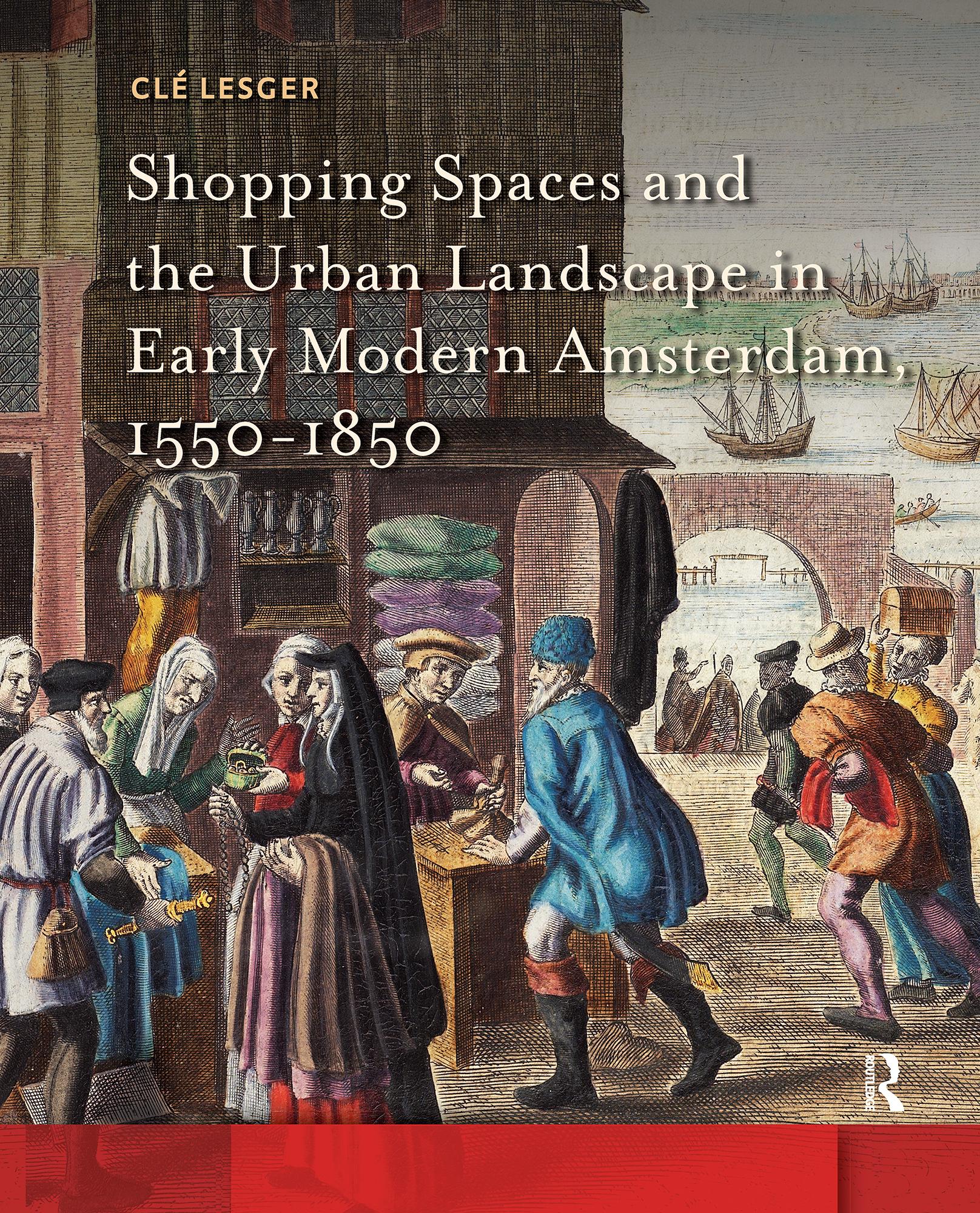
In this study, the appearance and location of shops in Amsterdam during the early modern period is linked to major changes in the urban economy, the size and socio-spatial distribution of its population, and the structure of the urban grid. Not only is there ample attention for the spatial distribution of shops across the urban landscape, but for the first time it is also accurately charted what the exterior and interior of Amsterdam shops looked like and how they changed in the course of the centuries. Partly as a result of this, it has proved possible to give an impression of the ways in which retailers and customers interacted.
Pay easily by card, Klarna, Apple Pay or Google Pay. Not happy? You always have a 14-day money-back guarantee. Read more in our terms. If you have any questions, email us at hello@memmo.org.
Memmo makes studying easier – wherever you are in the world. We bring your course books and smart study tools together in one place: summaries, quizzes, podcasts and flashcards. Plus Ted, your study buddy who answers anything you wonder. Over 75,000 students already study here – built to help you learn faster and stress less.
You might also like
Buy the book0