
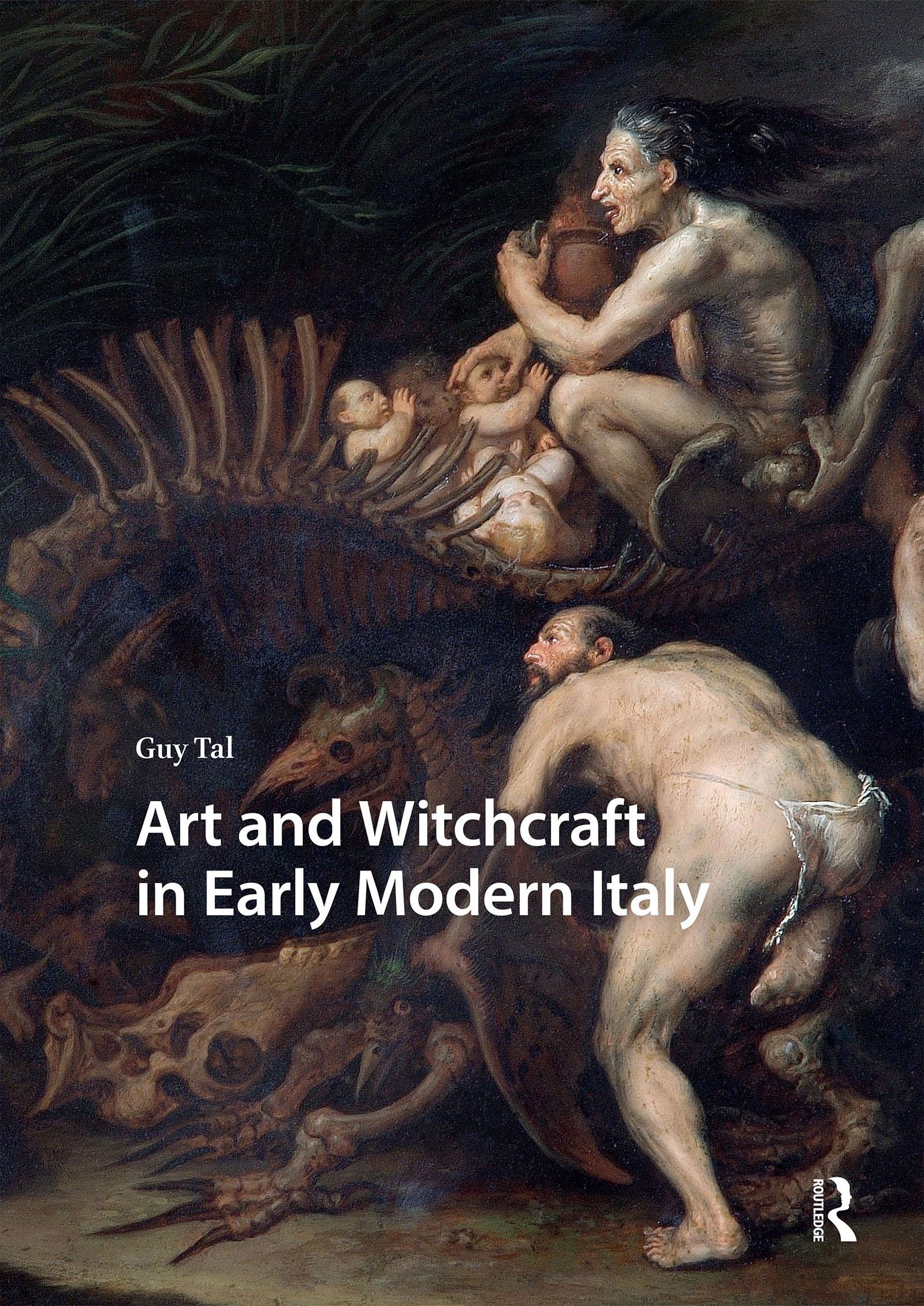
The figure of the witch is familiar from the work of early modern German, Dutch, and Flemish artists, but much less so in the work of their Italian counterparts. Art and Witchcraft in Early Modern Italy seeks to explore the ways in which representations of witchcraft emerged from and coincided with the main cultural currents and artistic climate of an epoch chiefly celebrated for its humanistic and rational approaches. Through an in-depth examination of a panoply of arresting paintings, engravings, and drawings—variously portraying a hag-ridden colossal phallus, a horror-stricken necromancer dodging the devil’s scrabbling claws, and a nocturnal procession presided over by an infanticidal crone—Guy Tal offers new ways of reading witchcraft images through and beyond conventional iconography. Artists such as Parmigianino, Alessandro Allori, Leonello Spada, and Angelo Caroselli effected visual commentaries on demonological notions that engaged their audience in a tantalizing experience of interpretation.
Pay easily by card, Klarna, Apple Pay or Google Pay. Not happy? You always have a 14-day money-back guarantee. Read more in our terms. If you have any questions, email us at hello@memmo.org.
Memmo makes studying easier – wherever you are in the world. We bring your course books and smart study tools together in one place: summaries, quizzes, podcasts and flashcards. Plus Ted, your study buddy who answers anything you wonder. Over 50,000 students already study here – built to help you learn faster and stress less.