
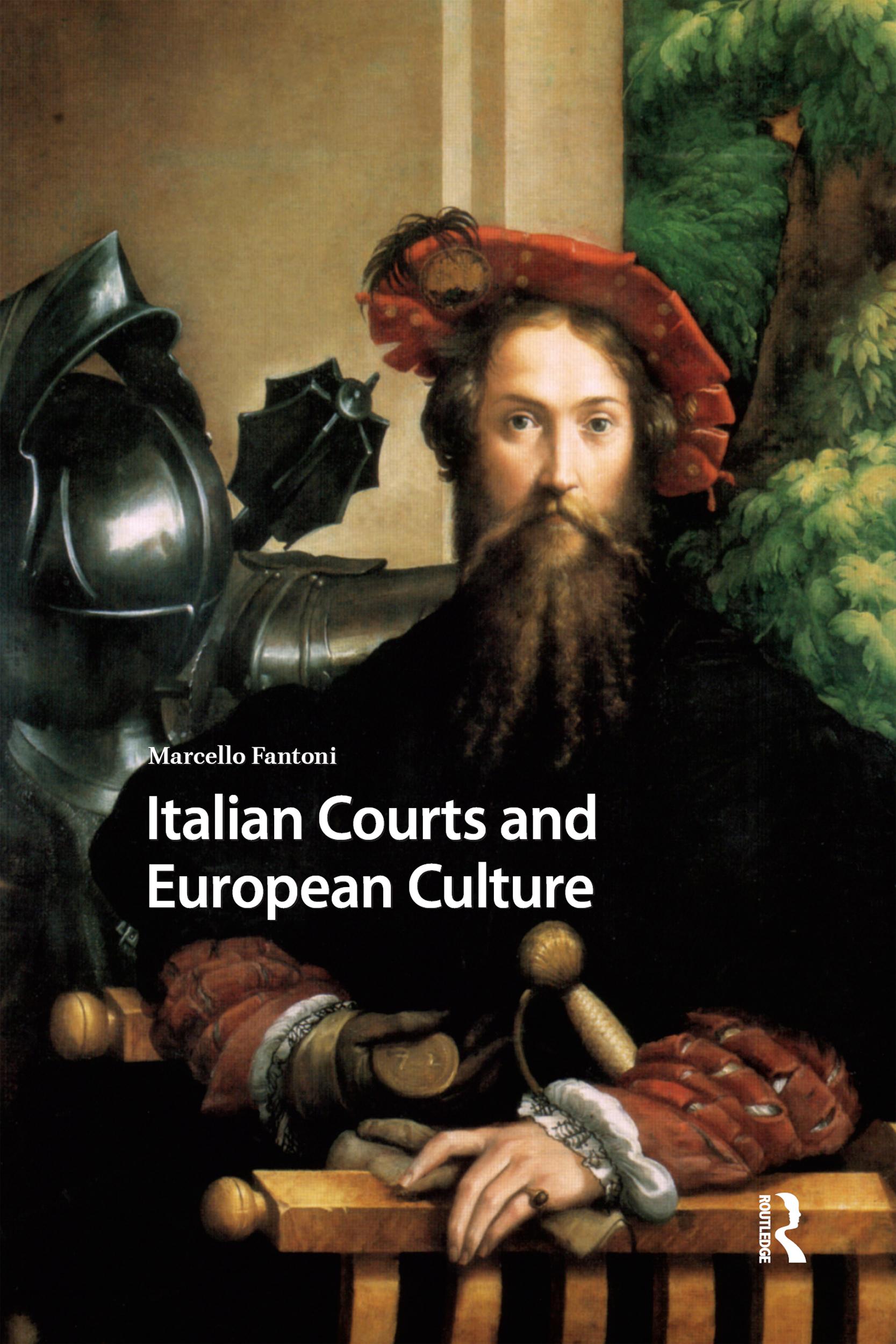
Between the fifteenth and the eighteenth century, princely courts dominated the Italian political scene. These courts were effervescent centers of cultural production. As such, they became a model for European monarchies who imported Italian courtly forma del vivere (‘style of life’) to legitimize their power and to define social status. This phenomenon included architecture and painting, theater and music, manners and aesthetics, and all the objects, behaviors and beliefs that contributed to homogenize European culture in the age of the Old Regime. It involved a hemorrhage of art and a continuous circulation of people, texts and symbols. The foundational material for this process was classicism and its purpose was political. This delineates a new geography and chronology of a truly European cultural history. It also provides the key traits for the European cultural identity. This book offers a comprehensive reconstruction of the Italian geo-political map focused on courts (thirteenth - seventeenth centuries) and analyses the homogeneity of political forms and of the Italian Christian-Classicist culture.
Pay easily by card, Klarna, Apple Pay or Google Pay. Not happy? You always have a 14-day money-back guarantee. Read more in our terms. If you have any questions, email us at hello@memmo.org.
Memmo makes studying easier – wherever you are in the world. We bring your course books and smart study tools together in one place: summaries, quizzes, podcasts and flashcards. Plus Ted, your study buddy who answers anything you wonder. Over 50,000 students already study here – built to help you learn faster and stress less.