
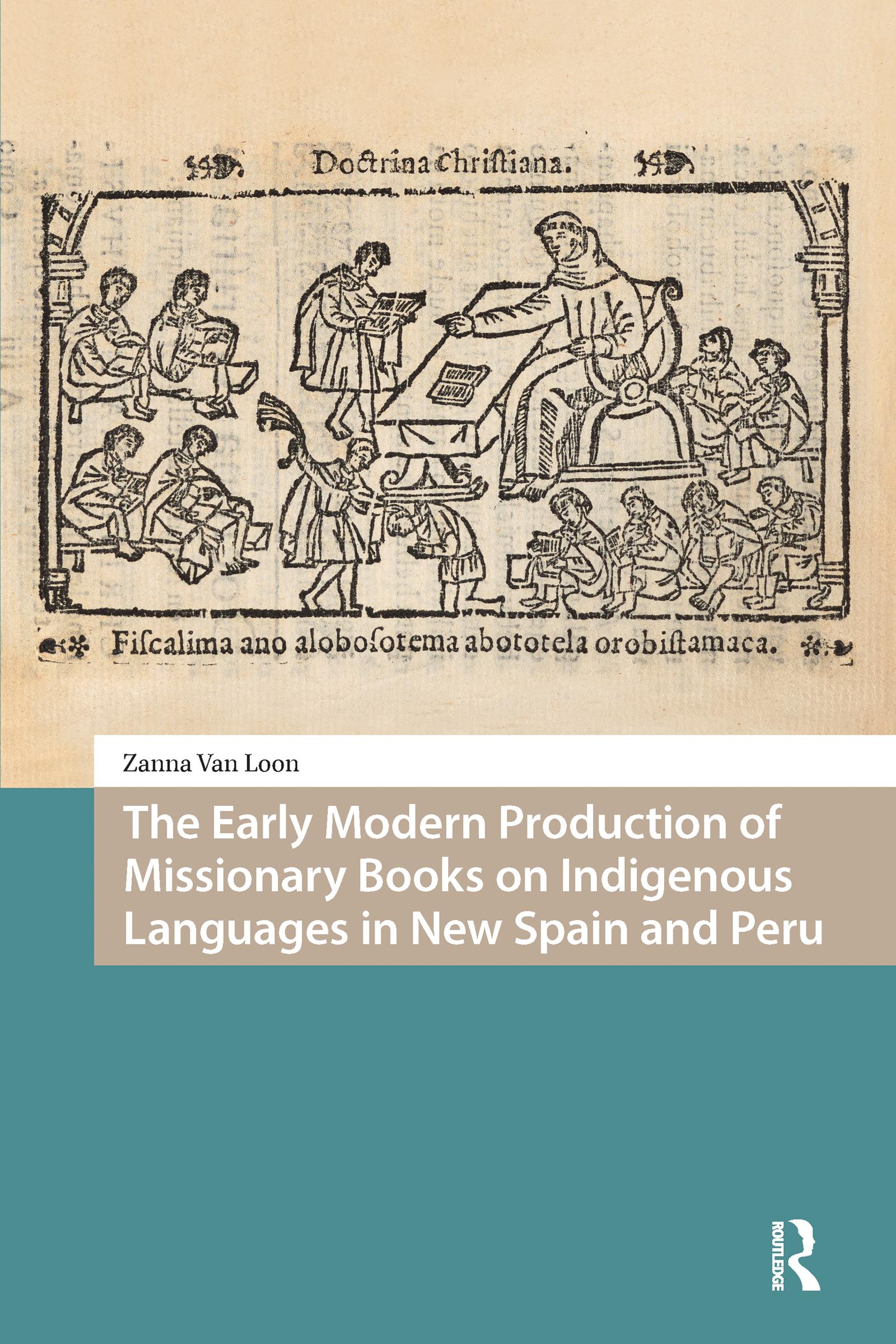
How do the social, material, and spatial processes underlying the making of early modern missionary grammars, vocabularies, and devotional translations deepen our understanding of their contents? The handwritten and printed missionary books produced in the Spanish viceroyalties of New Spain and Peru were key instruments designed to help study Indigenous languages in order to efficiently teach religious doctrine to local communities unfamiliar with European culture and religion. This volume considers these missionary books as physical and social objects and illuminates how a variety of factors determines their physical appearance, structure, and form, which in turn shape and guide the interpretation of their contents: people involved in its making; geographical and social circumstances and conditions of production; technologies, materials, and tools; genre and function(s) of the books; and intended readership, modes of distribution, and readerly responses.
Pay easily by card, Klarna, Apple Pay or Google Pay. Not happy? You always have a 14-day money-back guarantee. Read more in our terms. If you have any questions, email us at hello@memmo.org.
Memmo makes studying easier – wherever you are in the world. We bring your course books and smart study tools together in one place: summaries, quizzes, podcasts and flashcards. Plus Ted, your study buddy who answers anything you wonder. Over 50,000 students already study here – built to help you learn faster and stress less.
You might also like
Buy the book0