
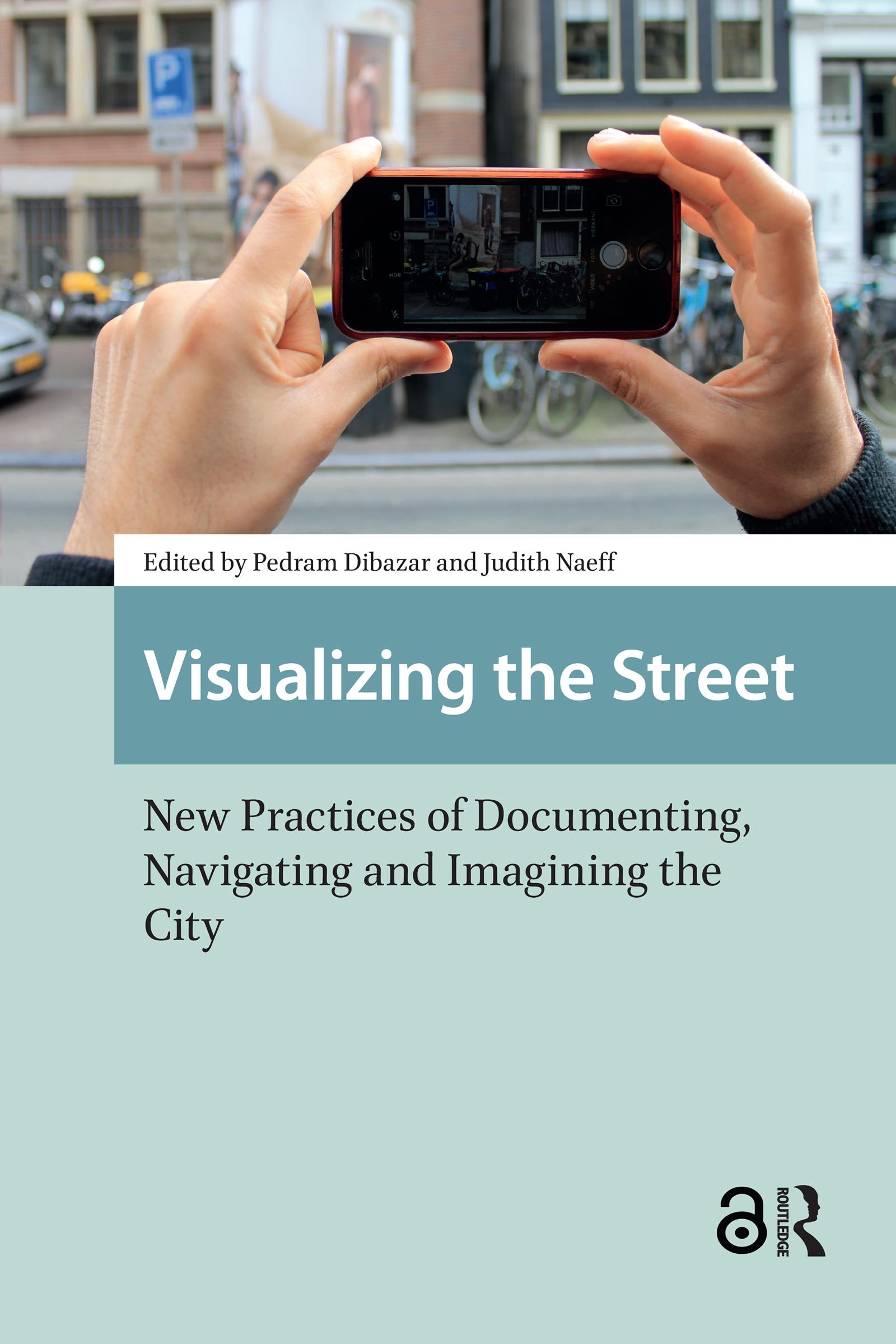
From user-generated images of streets to professional architectural renderings, and from digital maps and drone footages to representations of invisible digital ecologies, this collection of essays analyses the emergent practices of visualizing the street. Today, advancements in digital technologies of the image have given rise to the production and dissemination of imagery of streets and urban realities in multiple forms. The ubiquitous presence of digital visualizations has in turn created new forms of urban practice and modes of spatial encounter. Everyone who carries a smartphone not only plays an increasingly significant role in the production, editing and circulation of images of the street, but also relies on those images to experience urban worlds and to navigate in them. Such entangled forms of image-making and image-sharing have constructed new imaginaries of the street and have had a significant impact on the ways in which contemporary and future streets are understood, imagined, documented, navigated, mediated and visualized. Visualizing the Street investigates the social and cultural significance of these new developments at the intersection of visual culture and urban space. The interdisciplinary essays provide new concepts, theories and research methods that combine close analyses of street images and imaginaries with the study of the practices of their production and circulation. The book covers a wide range of visible and invisible geographies — From Hong Kong's streets to Rio's favelas, from Sydney's suburbs to London's street markets, and from Damascus' war-torn streets to Istanbul's sidewalks — and engages with multiple ways in which visualizations of the street function to document street protests and urban change, to build imaginaries of urban communities and alternate worlds, and to help navigate streetscapes.
Pay easily by card, Klarna, Apple Pay or Google Pay. Not happy? You always have a 14-day money-back guarantee. Read more in our terms. If you have any questions, email us at hello@memmo.org.
Memmo makes studying easier – wherever you are in the world. We bring your course books and smart study tools together in one place: summaries, quizzes, podcasts and flashcards. Plus Ted, your study buddy who answers anything you wonder. Over 50,000 students already study here – built to help you learn faster and stress less.