
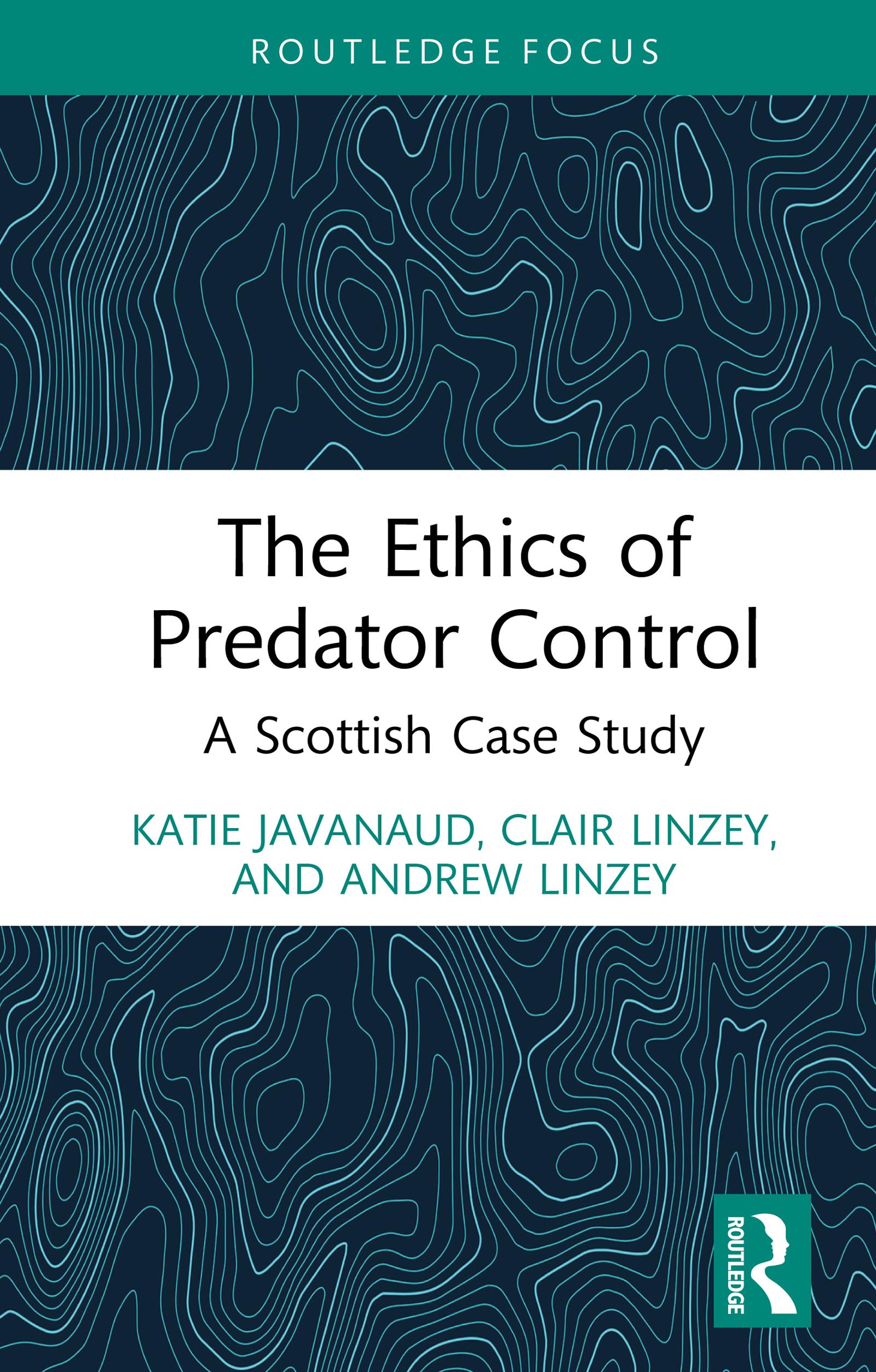
This book offers a timely contribution to the ethical discourse on predator control, particularly in the context of Scottish moor management. It provides a detailed examination of the moral arguments surrounding animal welfare and conservation, engaging with contemporary debates in environmental ethics, wildlife management, and animal rights.
Organised into two parts, Part 1 comprises a report by the Oxford Centre for Animal Ethics on the ethics of predator control for members of the Scottish Parliament. The central argument critically assesses the morality of predator control, aligning with broader discussions on sentience, suffering, and human responsibilities towards nonhuman animals. Part 1 also proposes the promulgation of a new charter for free-living animals. This legislation should begin with the recognition of sentiency and enshrine in law the value and dignity of free-living animals such that their right to live unmolested is respected. Part 2 contains detailed rebuttals of subsequent criticisms of the report. Over 120 scholars worldwide have endorsed the report.
Given the growing interest in rewilding, biodiversity conservation, and ethical hunting debates, this book has the potential to be a significant resource for scholars, policymakers, and advocacy groups. It will also be of interest to students and academics in the fields of ethics, conservation, philosophy, ecology, and animal law.
Pay easily by card, Klarna, Apple Pay or Google Pay. Not happy? You always have a 14-day money-back guarantee. Read more in our terms. If you have any questions, email us at hello@memmo.org.
Memmo makes studying easier – wherever you are in the world. We bring your course books and smart study tools together in one place: summaries, quizzes, podcasts and flashcards. Plus Ted, your study buddy who answers anything you wonder. Over 50,000 students already study here – built to help you learn faster and stress less.