
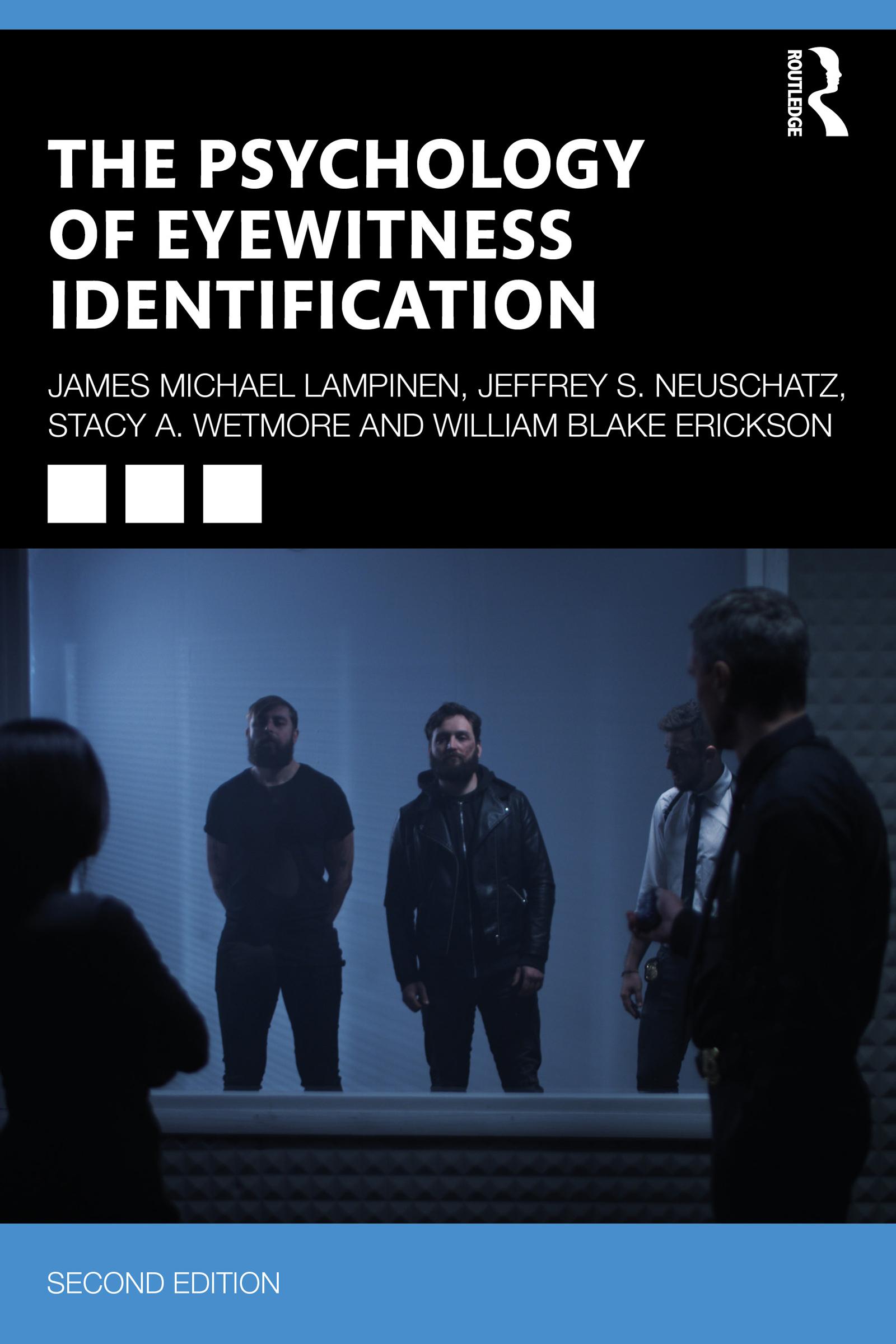
This clear and accessible volume provides a tutorial review and evaluation of scientific research on eyewitness identification accuracy and reliability. The book examines conceptual and empirical problems with eyewitness identification as forensic evidence, comparable to challenges with other forensic evidence forms. It explores key findings in eyewitness memory research and their implications for psychological theory and social and legal policy.
The book covers topics including measurement of eyewitness performance, eyewitness theory, social media's impact on identification, and technological approaches to investigating eyewitness reliability. The volume presents research on eyewitness identification as an exemplary case of psychological science successfully applied to real-world problems.
Featuring real-life case studies, this comprehensive text is essential reading for scholars and advanced students of forensic psychology, cognitive psychology, and memory studies who seek to understand the complex relationship between memory processes and the criminal justice system.
Pay easily by card, Klarna, Apple Pay or Google Pay. Not happy? You always have a 14-day money-back guarantee. Read more in our terms. If you have any questions, email us at hello@memmo.org.
Memmo makes studying easier – wherever you are in the world. We bring your course books and smart study tools together in one place: summaries, quizzes, podcasts and flashcards. Plus Ted, your study buddy who answers anything you wonder. Over 50,000 students already study here – built to help you learn faster and stress less.