
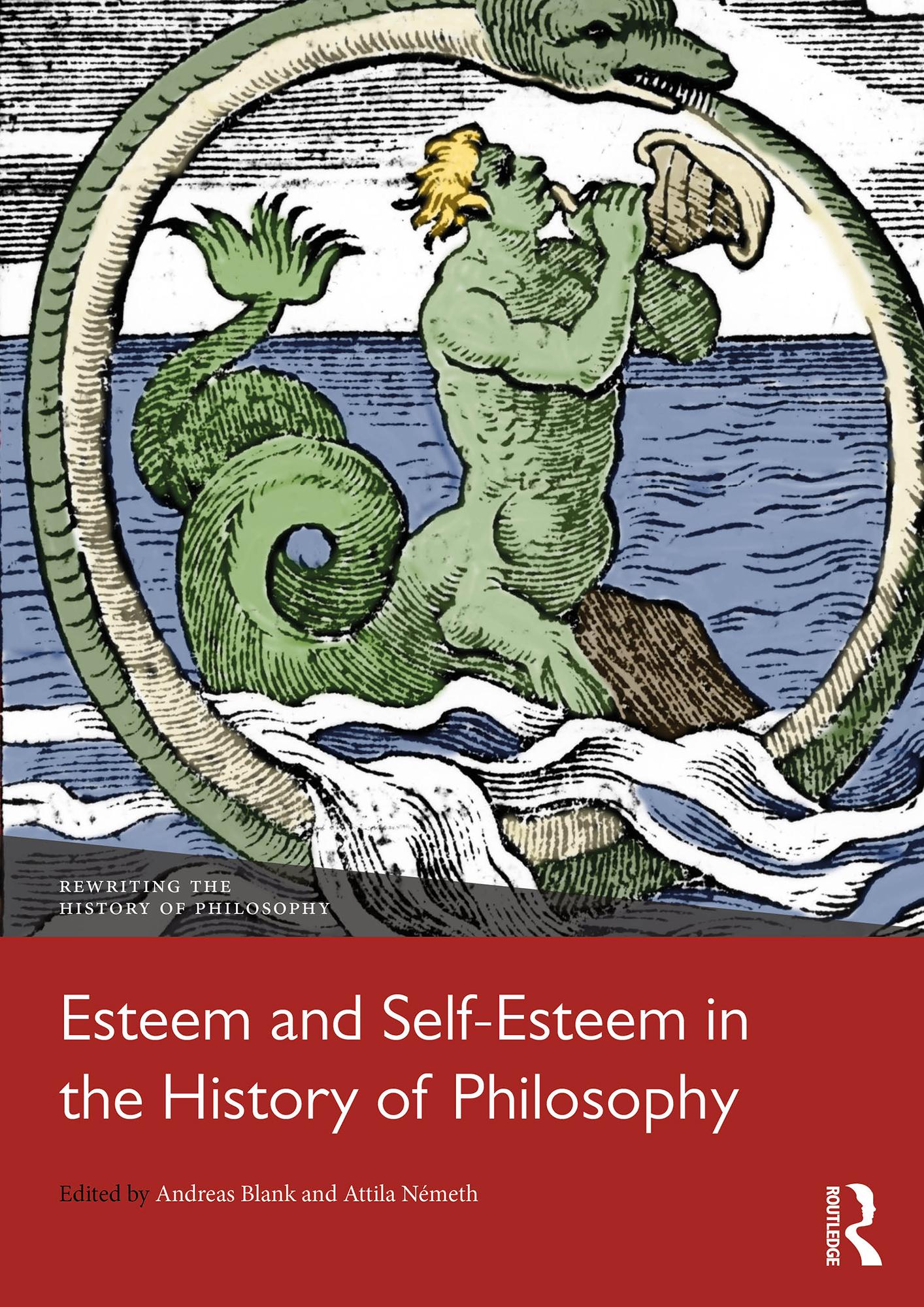
The concepts of esteem and self-esteem are fundamental to understanding human emotions, ethics, and psychology and are closely linked to ideas about respect and dignity. Latterly, they have come to play a central role in contemporary debates about well-being and mental health. Yet despite having deep roots, the philosophical history of esteem and self-esteem has been largely neglected.
In this authoritative and wide-ranging collection, a distinguished and international roster of philosophers examines esteem and self-esteem in historical perspective, covering western and non-western traditions and thinkers. Comprising 27 chapters, the volume is divided into eight clear parts:
- From Poetry to Philosophy
- Self-Knowledge and the Normative Foundations of Self-Esteem in Classical Greek Philosophy
- Interiority and the Transformation of Selfhood in Hellenistic and Later Ancient Philosophy
- Cross-Cultural Perspectives on Esteem and Self-Cultivation
- Reputation, Virtue, and Moral Theology in the Medieval World
- Early Modern Moral Psychology and the Social Dynamics of Esteem
- Gender and the Politics of Self-Worth
- Esteem, Community, and Modern Social Theory.
Esteem and Self-Esteem in the History of Philosophy will be valuable reading for students and researchers in the history of philosophy, ethics, and political philosophy, as well as related areas such as history and sociology.
Pay easily by card, Klarna, Apple Pay or Google Pay. Not happy? You always have a 14-day money-back guarantee. Read more in our terms. If you have any questions, email us at hello@memmo.org.
Memmo makes studying easier – wherever you are in the world. We bring your course books and smart study tools together in one place: summaries, quizzes, podcasts and flashcards. Plus Ted, your study buddy who answers anything you wonder. Over 50,000 students already study here – built to help you learn faster and stress less.