
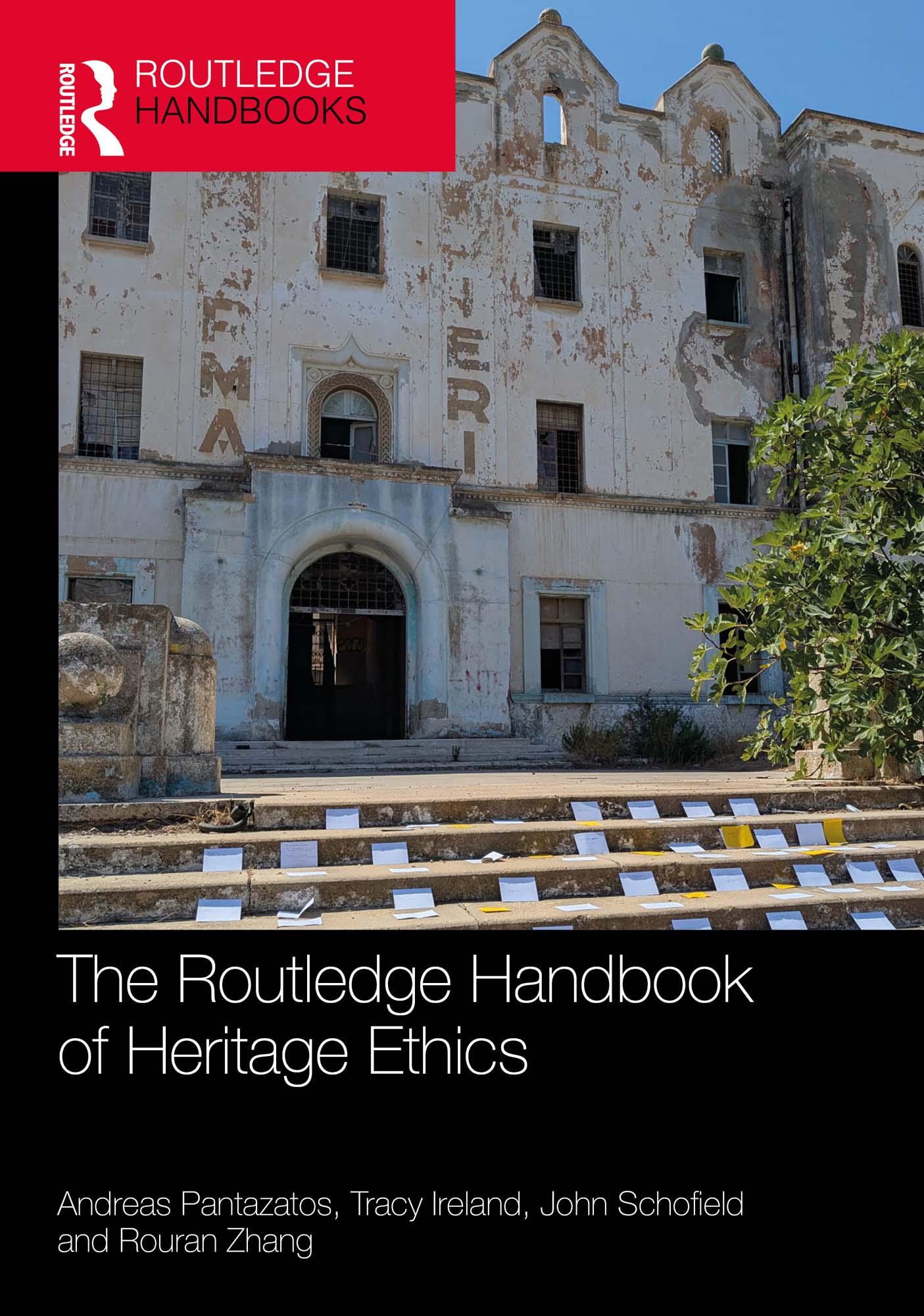
The Routledge Handbook of Heritage Ethics offers a comprehensive and rigorous analysis of the concepts, challenges and dilemmas that characterise and shape contemporary heritage ethics in theory and practice. The essays within this volume examine how ethical approaches to heritage have evolved and explore the ethical issues that have arisen from these changing contexts. Including 34 original, detailed, and impassioned contributions from across five continents, this book affords equal focus to theoretical perspectives and practice, drawing out the importance of ethics through diverse case studies on topics as varied as built heritage, colonialism, material culture, the environment, traditions and lived experience. Throughout this volume, chapters highlight the need for all practitioners and researchers to adopt an ethical approach, alongside the need to understand what this entails and how best to deliver it. Following a foundational introduction that contextualises ethics within broader cultural changes, and a first section outlining key theoretical frameworks, chapters are divided into four thematic sections on difficult heritage, digital heritage, heritage interactions and heritage management and policy.
Together, these chapters comprise an important, timely and wide-ranging volume that provides a fresh analysis of the key concepts that shape and inform heritage ethics. It will engage those whose work and interests intersect with the broad gamut of cultural heritage—whether physical or digital, focused on artefacts or communities, the iconic or the everyday, in the field, museums or historic sites, from the remote past or the contemporary world. This Handbook will be of interest to students, researchers and practitioners from across a broad range of disciplines, including anthropology, archaeology, geography, heritage studies, history and philosophy.
Pay easily by card, Klarna, Apple Pay or Google Pay. Not happy? You always have a 14-day money-back guarantee. Read more in our terms. If you have any questions, email us at hello@memmo.org.
Memmo makes studying easier – wherever you are in the world. We bring your course books and smart study tools together in one place: summaries, quizzes, podcasts and flashcards. Plus Ted, your study buddy who answers anything you wonder. Over 75,000 students already study here – built to help you learn faster and stress less.