
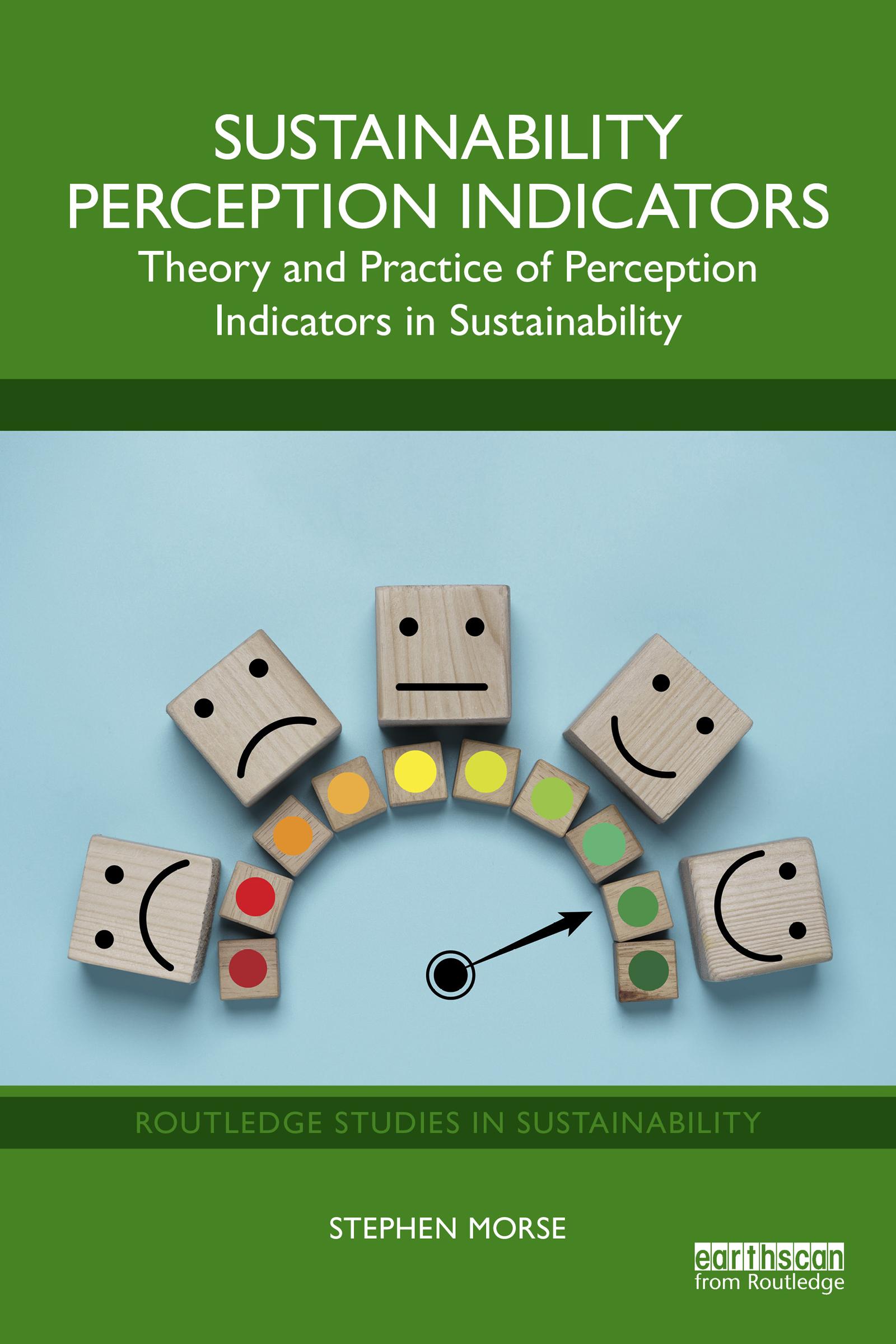
This book offers a comprehensive analysis of the background, practice, potential and challenges associated with developing and using perceptual indicators for assessing sustainability.
Sustainability Indicators (SIs) are usually described and portrayed as quantitative metrics that rest above the human realm of subjectivity, opinion and bias. Thus, they are the basis for objectively measuring progress towards the attainment of targets in sustainable development. Unlike the "hard" metrics described above, the way in which we experience the world and frame our personal decisions based on that experience, past and present, is founded on perceptions and these can be inherently subjective. This book argues that perception-based indicators are an important subset of SIs in assessing sustainability, environmental quality and well-being. The chapters draw upon examples such as the Corruption Perception Index (CPI) produced by Transparency International (TI), and a variety of happiness indices, amongst many others. The chapters in the book can be thought of as comprising two parts. The first section provides a broad review of the field of SIs, addressing the challenges involved in identifying, defining and populating SIs, especially for countries in the Global South. The second part of the book summarises the range of participatory approaches that have often been used to develop perception-based indicators of sustainability, along with their respective pros and cons.
This book will be useful for students studying social sciences, economics, environmental studies, human geography, politics and international development. The book may also appeal to students taking courses in business studies.
Pay easily by card, Klarna, Apple Pay or Google Pay. Not happy? You always have a 14-day money-back guarantee. Read more in our terms. If you have any questions, email us at hello@memmo.org.
Memmo makes studying easier – wherever you are in the world. We bring your course books and smart study tools together in one place: summaries, quizzes, podcasts and flashcards. Plus Ted, your study buddy who answers anything you wonder. Over 50,000 students already study here – built to help you learn faster and stress less.