
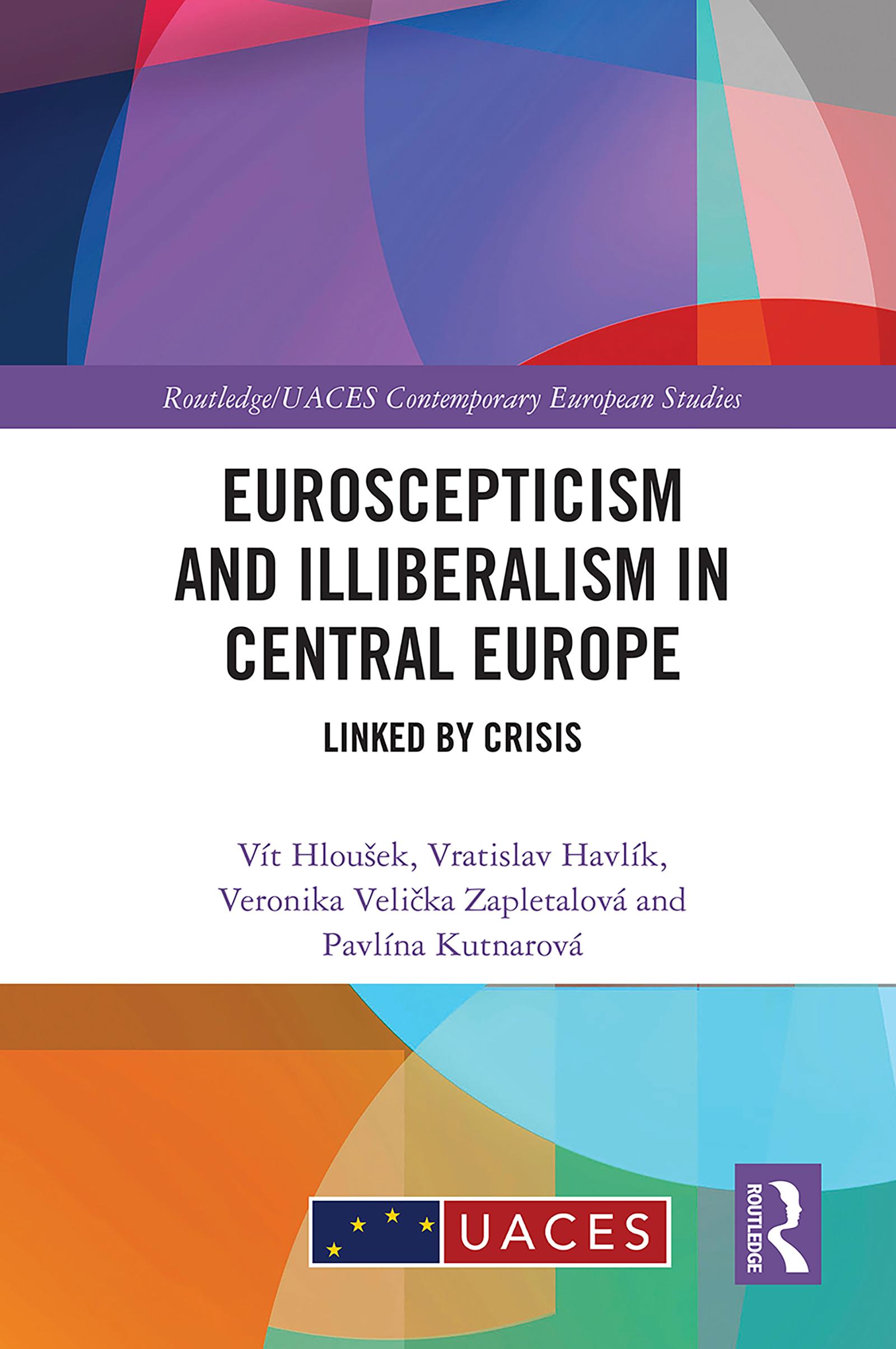
This book uses the V4 countries as an ideal political environment for testing shifts in Euroscepticism and illiberalism in the dynamic context of the “politicising moments” of multiple crises.
It analyses what kind of Euroscepticism prevailed in East-Central Europe during the COVID-19 and Ukrainian war crises and how it changed compared to its manifestation during the earlier Eurozone and migration crises. With this, it looks at how, and under what circumstances, Eurosceptic narratives were linked to illiberal ones. The authors reveal that Euroscepticism and illiberalism are more than pure coincidence and highlight the conceptual connections between them, showing how Euroscepticism and illiberalism cross-fertilise and reinforce each other.
This book is of key interest to scholars and students of Euroscepticism, Central-Eastern European, party politics, illiberalism, politics in the period of crises and more broadly to European and EU studies, comparative politics, and area studies.
Pay easily by card, Klarna, Apple Pay or Google Pay. Not happy? You always have a 14-day money-back guarantee. Read more in our terms. If you have any questions, email us at hello@memmo.org.
Memmo makes studying easier – wherever you are in the world. We bring your course books and smart study tools together in one place: summaries, quizzes, podcasts and flashcards. Plus Ted, your study buddy who answers anything you wonder. Over 50,000 students already study here – built to help you learn faster and stress less.