
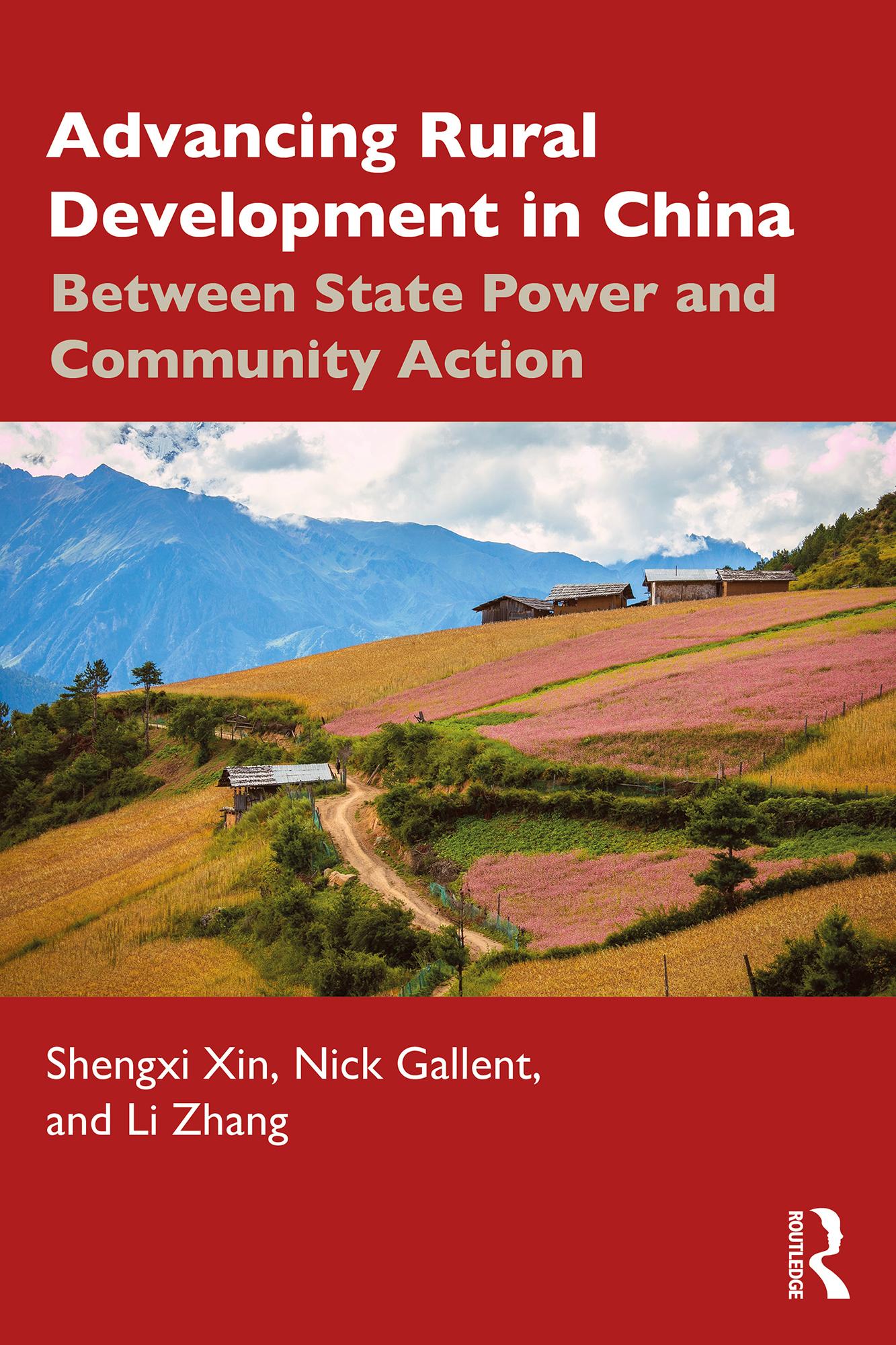
This book is about the practice of rural development in contemporary China. It evolves the concept of 'neo-exogenous development' to explain how the power of the state links to community action via local party structures, in pursuit of both state-building and rural revitalisation.
Through case studies, the book examines how central government investments are channelled through area-based programmes, which are then locally implemented by party-state and community actors. It illustrates significant continuity in China's rural development, from the imperial era, through the Maoist Collectivization Movement, and onwards to the Open Reform and current National Rural Revitalization Strategy. Advancing Rural Development in China re-evaluates the theory and practice of rural development, identifying important lessons for other nations.
The book presents a critical study of China's approach to rural development for students and researchers in the fields of human geography, rural sociology, planning, agricultural economics, public management, and international development.
Pay easily by card, Klarna, Apple Pay or Google Pay. Not happy? You always have a 14-day money-back guarantee. Read more in our terms. If you have any questions, email us at hello@memmo.org.
Memmo makes studying easier – wherever you are in the world. We bring your course books and smart study tools together in one place: summaries, quizzes, podcasts and flashcards. Plus Ted, your study buddy who answers anything you wonder. Over 50,000 students already study here – built to help you learn faster and stress less.