
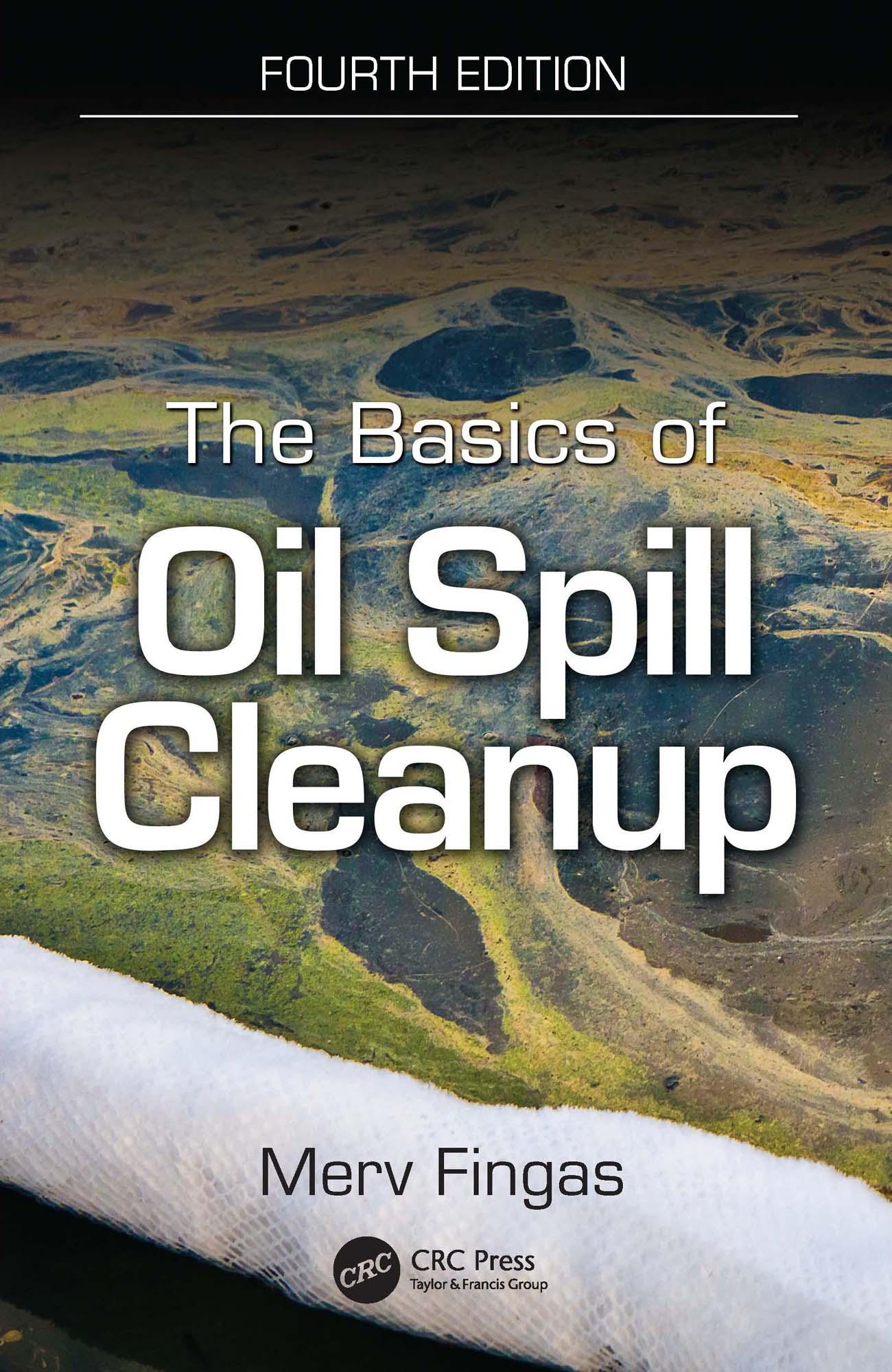
Reflecting the rapid progress in cleanup technology since the previous edition, this revised and expanded fourth edition of The Basics of Oil Spill Cleanup covers current cleanup techniques, how oil spills are measured and detected, and the properties of the oil, and its long-term fate in the environment. It also deals with why, how often, and where oil spills occur as well as the chemical composition and physical properties of various oil types. The chapters describe surface and remote sensing technologies used to detect and track oil slicks, and methods to contain oil on water (booms and ancillary equipment) and recover oil from the water surface (skimmers, sorbents, and manual recovery). The author discusses the use of pumps, in-situ burning, and chemical agents, such as dispersants, for oil removal. He also addresses oil-contaminated shorelines and the effects and behavior of oil on different ecosystems and the various organisms within them. Written for the general public as well as those directly involved with oil spill cleanup, this edition provides broad, up-to-date knowledge of the cleanup and control of spills.
- Updated throughout .
- Includes more international coverage and examples.
- Adds more data on remote sensing techniques and other technological advancements.
- Presents expanded coverage of oil spill effects on the environment.
Pay easily by card, Klarna, Apple Pay or Google Pay. Not happy? You always have a 14-day money-back guarantee. Read more in our terms. If you have any questions, email us at hello@memmo.org.
Memmo makes studying easier – wherever you are in the world. We bring your course books and smart study tools together in one place: summaries, quizzes, podcasts and flashcards. Plus Ted, your study buddy who answers anything you wonder. Over 50,000 students already study here – built to help you learn faster and stress less.