
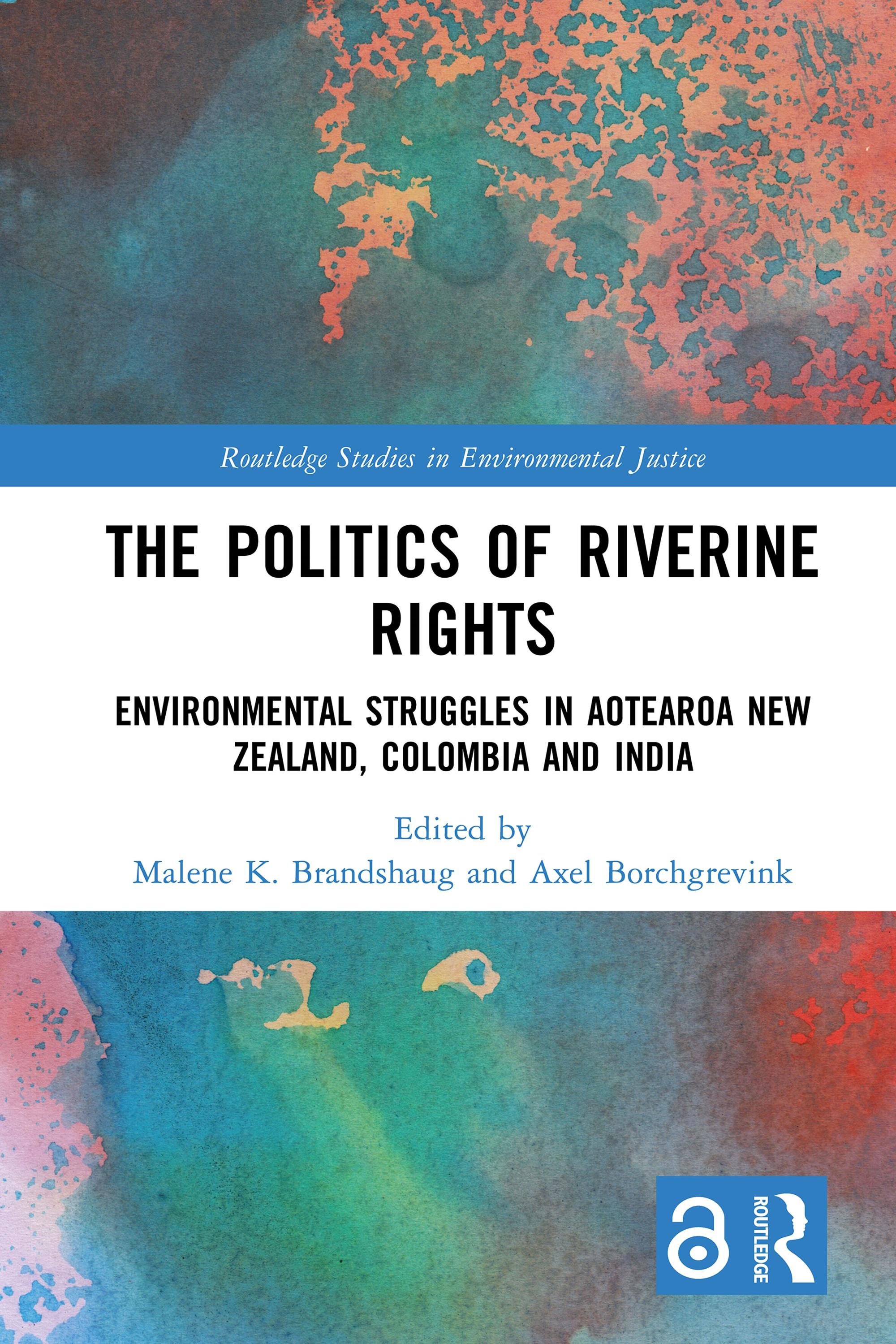
This edited collection is based on comparative ethnographic research and explores the concept of riverine rights in Aotaroa New Zealand, Colombia and India where rivers have been declared legal persons: the Whanganui River, Río Atrato, the Ganga and the Yamuna.
The cases drew significant attention from academia and the wider public, as examples of the rights of nature in practice. This book contributes with in-depth empirical research carried out by a highly interdisciplinary team of co-authors – from anthropology, law, history, political science, management studies and water science – many of whom are from the case study countries and the river basins. The first chapters carefully examine each case, discussing its history, the institutional context, the actors and interests, the issues to be addressed by the legal decisions and their outcomes. Subsequent chapters provide detailed comparative analysis on the rights of nature legal pluralism, the struggles of Indigenous peoples, ethnic minorities and marginalized groups, and on different ontological understandings of the relations between people, rivers and nature. The book concludes with reflections on how these cases of riverine rights relate to global trends, and discusses the tensions and synergies between human rights and nature’s rights, with a particular emphasis on how Indigenous rights intersect with rivers’ rights. Finally, it argues for a broad notion of riverine rights that includes those who live by the river, and beyond riverine rights, to the social, cultural and political dimensions of the legal innovations, and to the larger environmental crises they seek to address.
This interdisciplinary book will be essential reading for academics and researchers across social sciences and law with an interest in how social struggles, environmental justice and innovative legislation intersect for the wellbeing of rivers and their people. The book is also relevant for policy makers, activists and others with an interest in rights of nature.
Pay easily by card, Klarna, Apple Pay or Google Pay. Not happy? You always have a 14-day money-back guarantee. Read more in our terms. If you have any questions, email us at hello@memmo.org.
Memmo makes studying easier – wherever you are in the world. We bring your course books and smart study tools together in one place: summaries, quizzes, podcasts and flashcards. Plus Ted, your study buddy who answers anything you wonder. Over 50,000 students already study here – built to help you learn faster and stress less.