
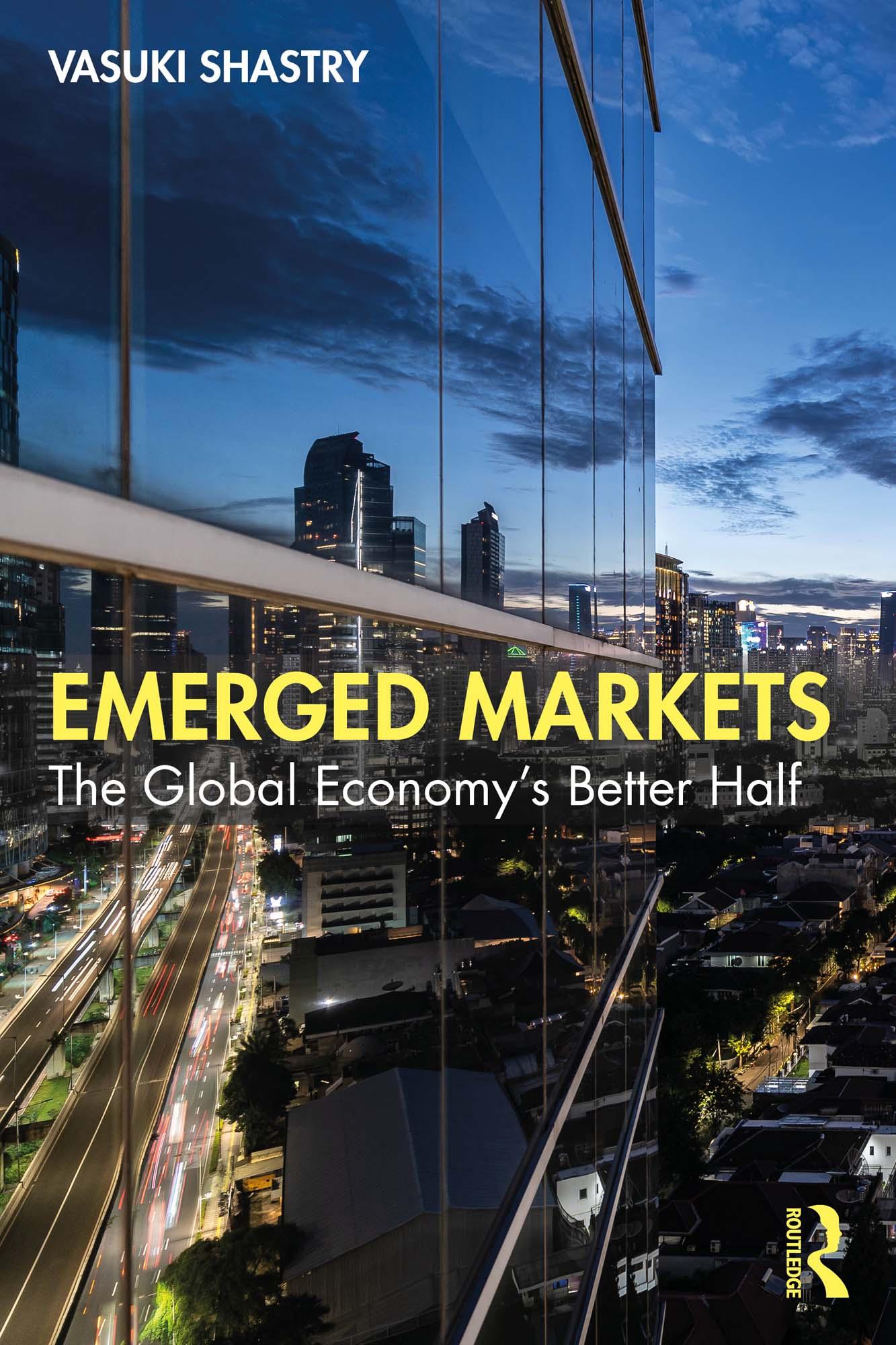
For far too long, emerging markets and developing countries have played a subservient role in the global economy.
This book builds a compelling case that a new settlement is needed, that rebalances power, well beyond existing arrangements such as the G20, and creates a shared vision to build economic growth and prosperity. The alternative is a world which lurches from crisis to conflict, jeopardising peace and prosperity. The very phrase “emerging markets” connotes that some countries are still developing and cannot compete with mostly Western global economic heavyweights. But the rise of China and India has not been isolated phenomena, with many other emerged countries also becoming confident about their place in the world: these are emerged markets, not the Global South or the Third World. Although these emerged countries now dominate global trade and investment and are the biggest champions of globalisation, their dramatic increase in economic weight has not led to a commensurate increase in clout and influence on the world stage, due to fundamentally unchanged World War II‑ra structures and apparatus.
Written by a global economics insider who has been in the room in multilateral, national, and private sector organisations, this book argues that the developed and emerged worlds should be positioned as equal economic partners, requiring dramatic adjustments in perceptions and power on the part of the developed world. Though clear‑yed about the ills that continue to exist in the emerged world, Vasuki Shastry explains why rich countries should be willing and open to learn from their success stories. He presents a reimagined narrative for the global economy, with more collaboration, less finger‑ointing, and a confluence of equals in managing profound economic risks and opportunities, now and in the future. Leaders in business, NGOs, and government, as well as students of business and international relations, will appreciate this thoughtful examination of what could happen if emerged and developed markets worked as equal partners for the common good.
Pay easily by card, Klarna, Apple Pay or Google Pay. Not happy? You always have a 14-day money-back guarantee. Read more in our terms. If you have any questions, email us at hello@memmo.org.
Memmo makes studying easier – wherever you are in the world. We bring your course books and smart study tools together in one place: summaries, quizzes, podcasts and flashcards. Plus Ted, your study buddy who answers anything you wonder. Over 50,000 students already study here – built to help you learn faster and stress less.