
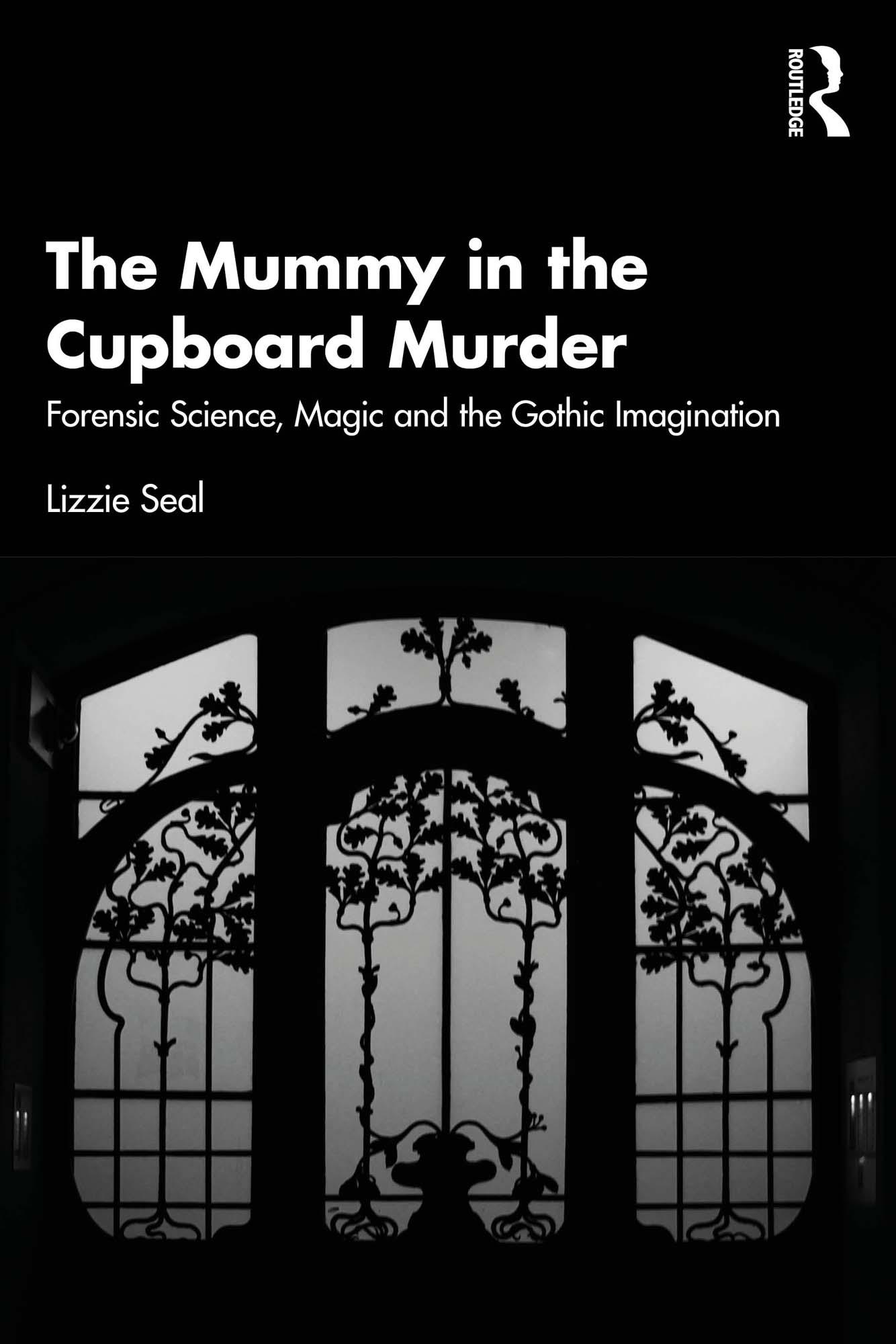
Using the mid-twentieth-century microhistorical example of the so-called ‘Mummy in the Cupboard Murder’, Lizzie Seal examines the significance of the Gothic to understandings of crime.
In a case that hinged on forensic evidence, Sarah Jane Harvey, the owner of a boarding house in Rhyl, North Wales, was tried for the murder of Frances Knight whose naturally mummified corpse was discovered in a locked cupboard of the house in 1960. The book applies Gothic criminology to an empirical historical example, considers the interchange between fact and fiction, traces developments in mid twentieth-century forensic pathology, and contributes to historical criminology by extending this approach’s conceptual base.
The Mummy in the Cupboard Murder is ideal for students and scholars of cultural criminology, crime and media, twentieth-century British history, and crime history, as well as those with an interest in the Gothic.
Pay easily by card, Klarna, Apple Pay or Google Pay. Not happy? You always have a 14-day money-back guarantee. Read more in our terms. If you have any questions, email us at hello@memmo.org.
Memmo makes studying easier – wherever you are in the world. We bring your course books and smart study tools together in one place: summaries, quizzes, podcasts and flashcards. Plus Ted, your study buddy who answers anything you wonder. Over 50,000 students already study here – built to help you learn faster and stress less.