
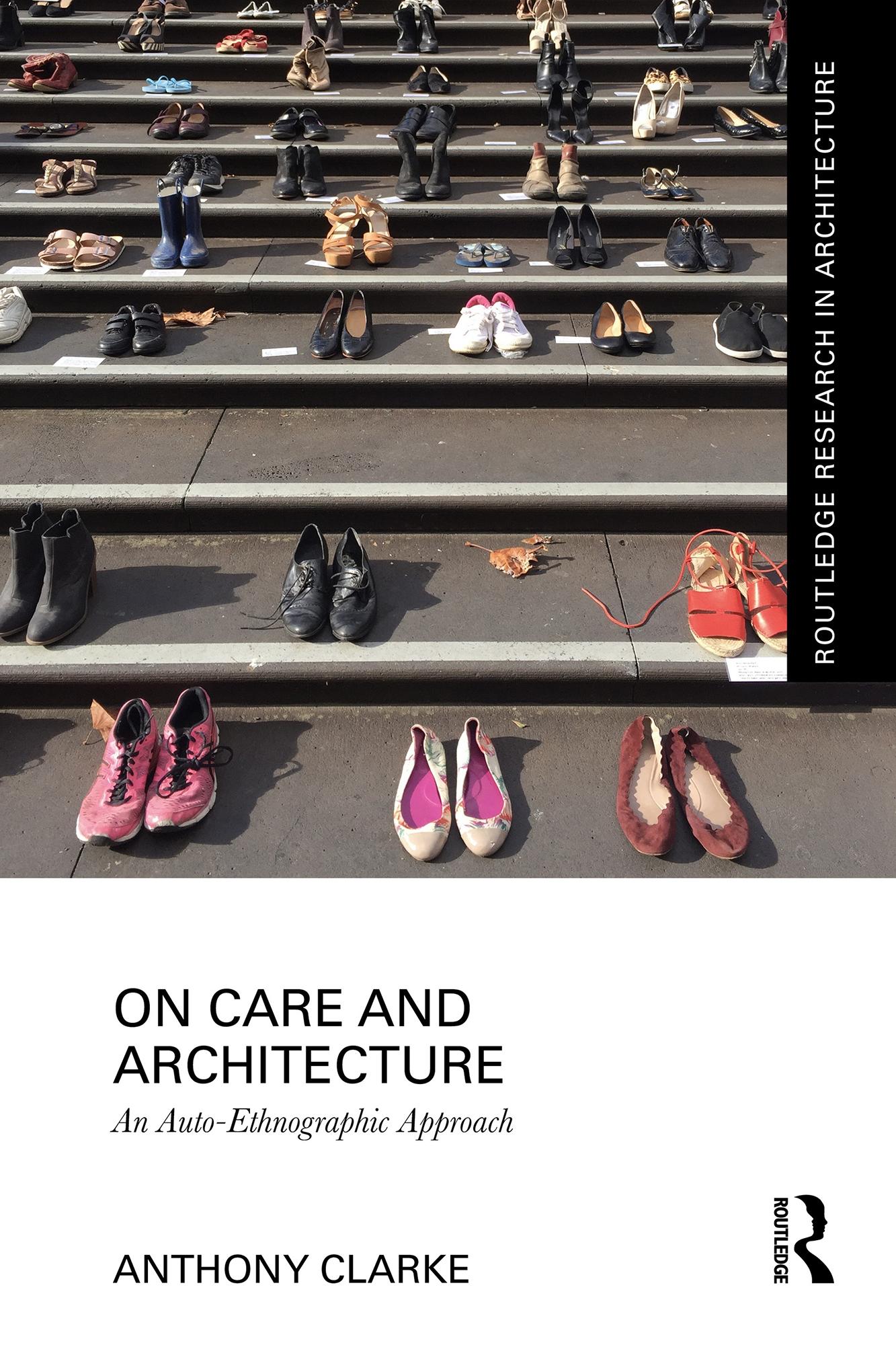
This book argues that current techniques and representations of architectural practice can take on greater significance and generate a more meaningful societal and professional contribution if they are developed through a lens of care. This lens of care, however, requires a fundamental repositioning in the way architects and designers orientate themselves within each project.
This book argues that this adaptation requires a genuine and deeply considered recognition of personal attitudes, approaches, and ingrained presumptions. This book advocates for self-reflection as a valuable, more conscious, and explicit component in the design process. It illustrates that greater personal and professional relationships can be formed through the acknowledgement of mutual vulnerabilities and the development of trust, respect, and appropriately placed curiosity, and that this is evident in the design delivery and ultimate construction of built space. Through an innovative methodology combining auto-ethnography and design research, this book prioritises user and architect knowledge and experience to identify, examine and discuss six key themes: care, integrity, advocacy, accountability, sensibility and sustainability. Collectively these themes contribute valuable insights into the meaningful and maintainable incorporation of lived experience into the processes of architecture.
This book will be of interest to architects, researchers, and students of architecture and design, as well as healthcare professionals.
Pay easily by card, Klarna, Apple Pay or Google Pay. Not happy? You always have a 14-day money-back guarantee. Read more in our terms. If you have any questions, email us at hello@memmo.org.
Memmo makes studying easier – wherever you are in the world. We bring your course books and smart study tools together in one place: summaries, quizzes, podcasts and flashcards. Plus Ted, your study buddy who answers anything you wonder. Over 75,000 students already study here – built to help you learn faster and stress less.