
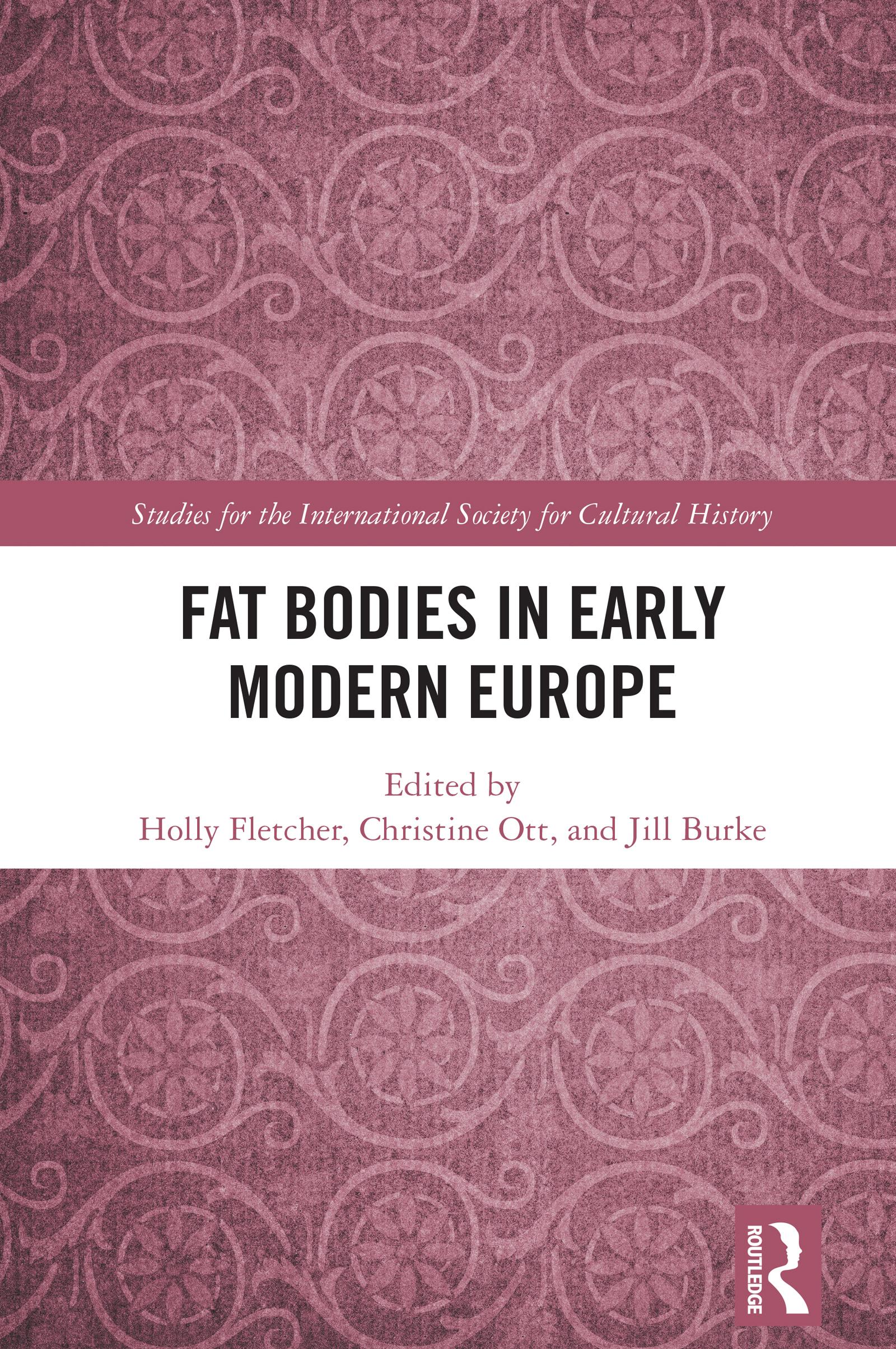
This book is the first to examine understandings and experiences of fatness in early modern Europe (c. 1450–1700), uncovering attitudes towards fat bodies across England, France, Germany, Italy, and Spain through interdisciplinary analysis.
Readers will gain a comprehensive understanding of how early modern Europeans perceived and experienced fat bodies through historically specific contexts rather than modern assumptions. The book delivers this through interdisciplinary scholarship combining history, art history, and literary studies to analyse sources across five major European regions. This approach reveals both continuities and contradictions in attitudes towards corpulence, examining medical, artistic, and literary perspectives within their proper historical frameworks. By considering early modern experiences on their own terms and relating them to period-specific conceptions of embodiment, readers will develop nuanced appreciation for how fatness was understood before modern medical and social constructs emerged.
This book is written for students and scholars of the early modern period, particularly those studying European history, cultural history, and the history of the body. It will also appeal to researchers in fat studies seeking historical perspectives and non-specialists interested in historical attitudes towards bodies and embodiment.
Pay easily by card, Klarna, Apple Pay or Google Pay. Not happy? You always have a 14-day money-back guarantee. Read more in our terms. If you have any questions, email us at hello@memmo.org.
Memmo makes studying easier – wherever you are in the world. We bring your course books and smart study tools together in one place: summaries, quizzes, podcasts and flashcards. Plus Ted, your study buddy who answers anything you wonder. Over 50,000 students already study here – built to help you learn faster and stress less.