
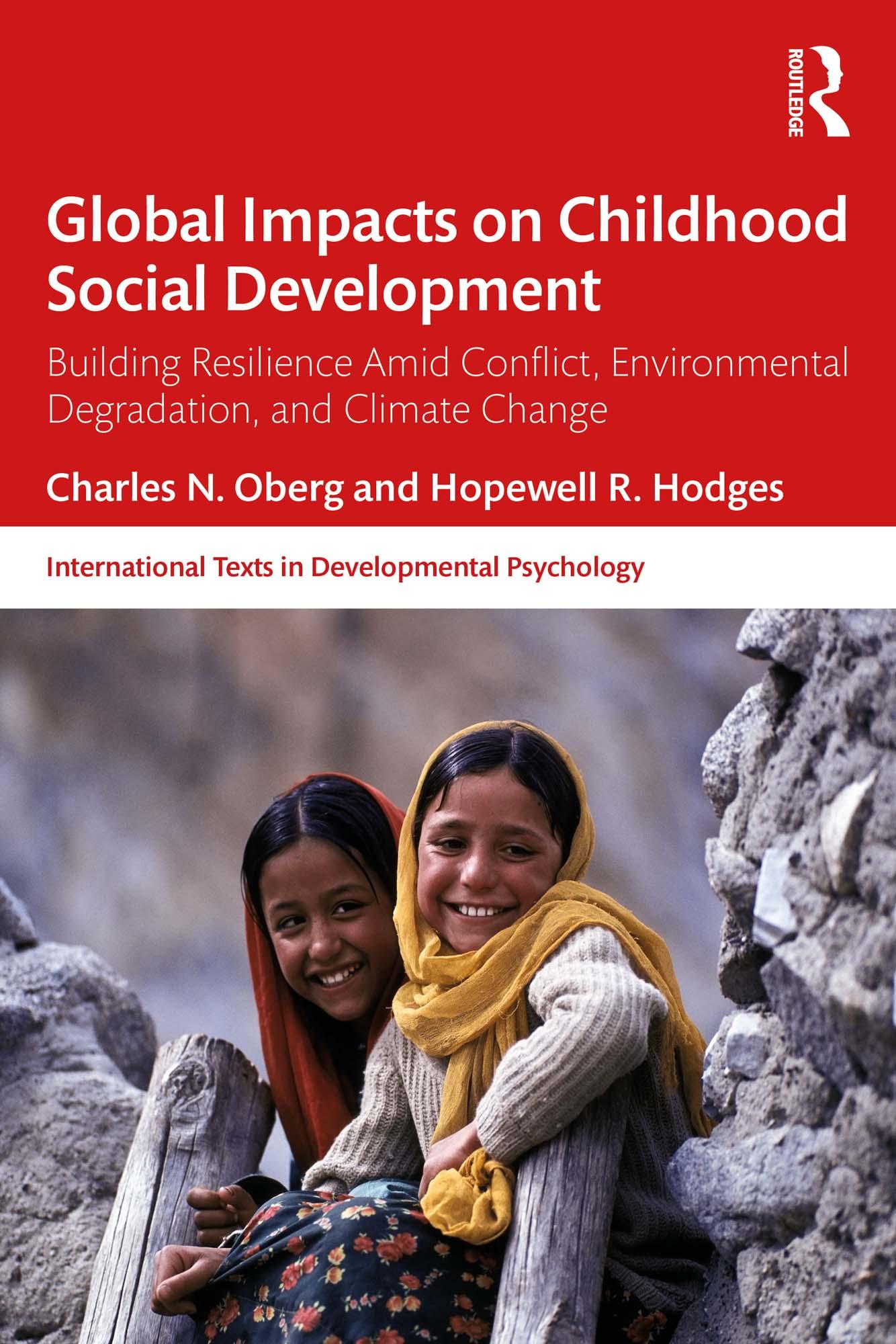
This important book combines insights from disciplines as diverse as developmental psychopathology, pediatrics, and public policy to offer a detailed description of the impact of global crises, such as armed conflict, climate change, and environmental degradation, on the developing child.
This book explores both the direct harms of these crises and those caused indirectly, including family separation, strained caregiving relationships, loss of cultural resources, and damage to children’s self-efficacy and emotion regulation abilities. Using case studies from the last few decades, the authors demonstrate the interconnectedness of seemingly disparate systems, such as soil health, family cohesion, individual coping skills, nutrition availability, and economic policy, all with an eye to the urgent developmental processes unfolding within and around the child.
This text is core reading for upper-level undergraduates and graduate students in child psychology, social work, public health, healthcare, public policy, and public affairs. Also, by offering several roadmaps by which individuals, organizations, communities, and nations may leverage resources at each level of a child’s ecology to support healthy development, this book will be of interest to professionals working in humanitarian sectors as well as leaders in global pediatrics.
Pay easily by card, Klarna, Apple Pay or Google Pay. Not happy? You always have a 14-day money-back guarantee. Read more in our terms. If you have any questions, email us at hello@memmo.org.
Memmo makes studying easier – wherever you are in the world. We bring your course books and smart study tools together in one place: summaries, quizzes, podcasts and flashcards. Plus Ted, your study buddy who answers anything you wonder. Over 50,000 students already study here – built to help you learn faster and stress less.