
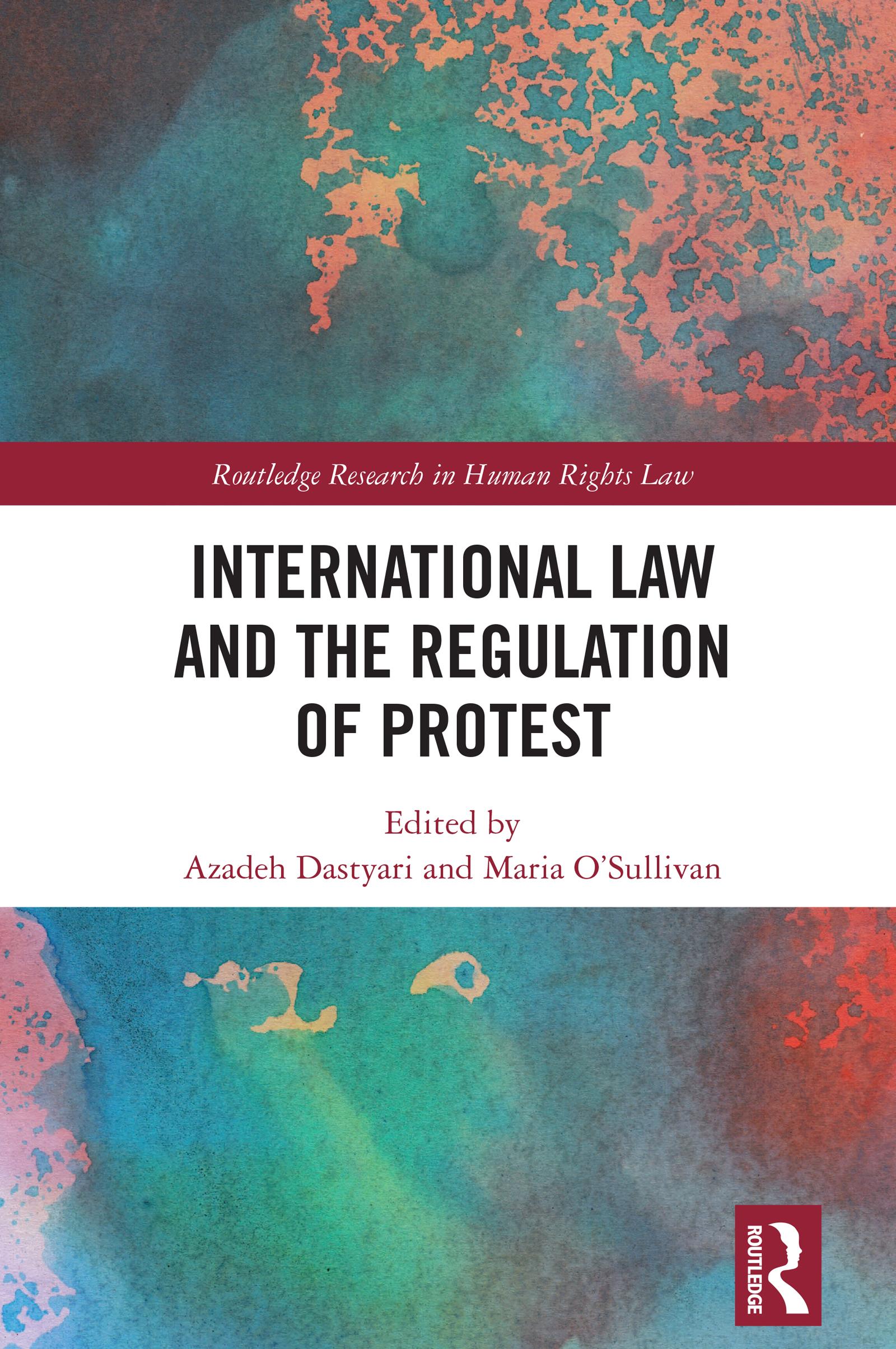
This book provides a systematic analysis of the international legal regime governing protest from a human rights law perspective. Through it, readers gain an introduction to the idea of protest and how it is understood and regulated.
The first section of this book provides a conceptual and doctrinal introduction to protests. It examines the human right to the freedom of assembly and how it interrelates with expressive freedoms. Comparative examples are provided from both liberal and non-liberal states. The second half of the book offers case studies on specific types of protest. These include climate protests, Indigenous protests, gender-related protests, citizenship protests and digital protests. The book seeks to draw out internationally recognised standards when it comes to engaging in and policing protest activities. A concluding chapter also looks towards the future governance of protest and protest movements.
With timely relevance to contemporary protest movements like Black Lives Matter and Environmental Justice, this book will appeal to academics and students of human rights law, constitutional law and international law. It will also appeal to scholars of social justice, social change and peace/conflict studies.
Pay easily by card, Klarna, Apple Pay or Google Pay. Not happy? You always have a 14-day money-back guarantee. Read more in our terms. If you have any questions, email us at hello@memmo.org.
Memmo makes studying easier – wherever you are in the world. We bring your course books and smart study tools together in one place: summaries, quizzes, podcasts and flashcards. Plus Ted, your study buddy who answers anything you wonder. Over 50,000 students already study here – built to help you learn faster and stress less.