
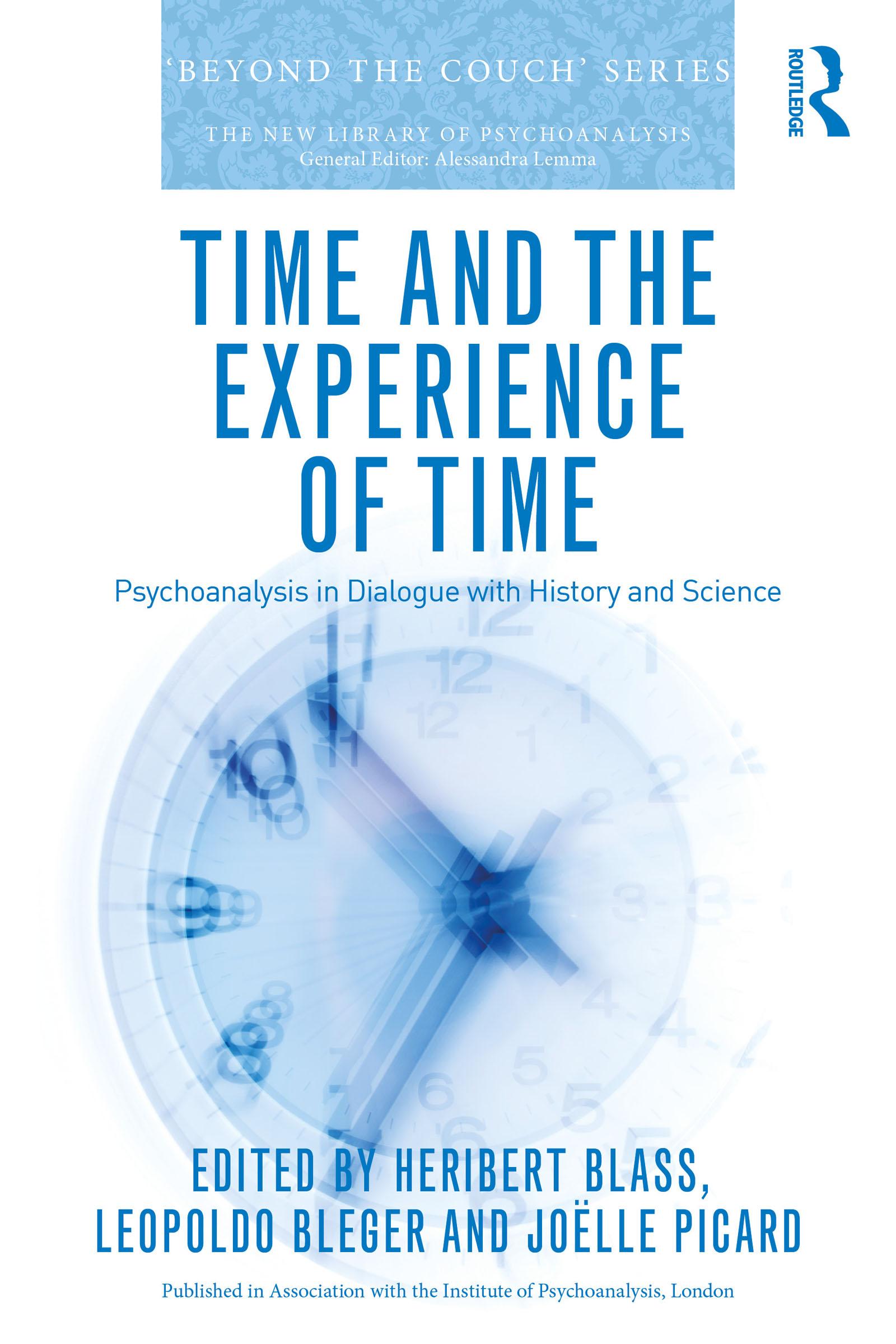
With particular reference to neurobiology and neuroscience, this book explores a psychoanalytic understanding of time and how ideas of time affect our experiences in clinical practice and in everyday life.
The contributions examine new perspectives on numerous phenomena associated with the perception of time. In addition to the physics-based discussion of whether time and a now exist at all, whether the existence of time can be proven neuroscientifically, or how historical forms of the relationship to time develop, the authors consider memory, forgetting or regression, the emergence of the past in the present, and the anticipation of the future, as well as mental development and the psychoanalytical process, particularly from the aspect of presence. The book shows how psychoanalysis can escape scientific isolation and develop further in a lively, mutually enriching exchange with other sciences.
Drawing on scientific insights as well as the latest psychoanalytic thinking, this is essential reading for all psychoanalysts, psychotherapists, and anyone wanting a deeper understanding of the place of time in our lives.
Pay easily by card, Klarna, Apple Pay or Google Pay. Not happy? You always have a 14-day money-back guarantee. Read more in our terms. If you have any questions, email us at hello@memmo.org.
Memmo makes studying easier – wherever you are in the world. We bring your course books and smart study tools together in one place: summaries, quizzes, podcasts and flashcards. Plus Ted, your study buddy who answers anything you wonder. Over 50,000 students already study here – built to help you learn faster and stress less.