
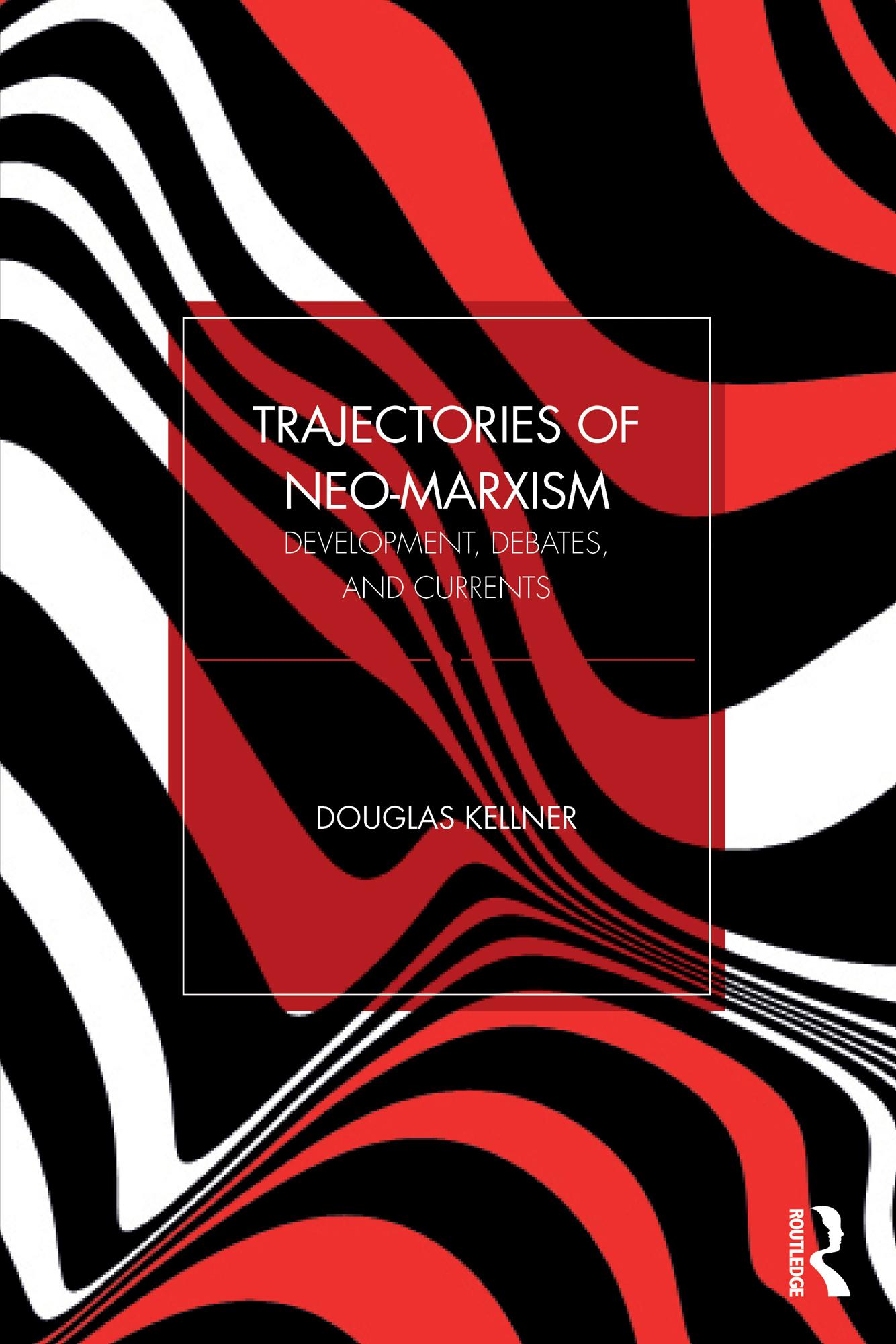
Reconstructing how Marxism responded to the transformations in society, politics, the economy and culture in the 20th century, Trajectories of Neo-Marxism begins with studies of the key figures in the 1920s – Bloch, Lukacs, Korsch and Gramsci – who began developing revisions of Marxism that responded to World War I, the revolutionary upheavals that emerged or followed the war in Russia and various European countries, and the subsequent rise of fascism. These revolutionary Marxian theorists were followed by the Frankfurt School in the 1930s, who responded to many of the same crises of Western capitalism and civilization that had engaged their neo-Marxian predecessors in the 1920s, but also fully engaged fascism which had taken over in Germany and Europe, driving the Frankfurt School to exile in the United States.
These neo-Marxist thinkers are analysed through their biographies, written texts, politics and influence on contemporary critical social theory and politics. Consequently, this volume provides a critically important overview of how this group of 20th and 21st century Marxists differ from classical Marxism while trying to reinterpret that tradition during the contemporary myriad crises.
Trajectories of Neo-Marxism will be a vital resource, accessible to both undergraduate and graduate students for a range of courses in sociology, social theory, political science, modern European and American history, philosophy, and studies of Marxism and Marxist social theory.
Pay easily by card, Klarna, Apple Pay or Google Pay. Not happy? You always have a 14-day money-back guarantee. Read more in our terms. If you have any questions, email us at hello@memmo.org.
Memmo makes studying easier – wherever you are in the world. We bring your course books and smart study tools together in one place: summaries, quizzes, podcasts and flashcards. Plus Ted, your study buddy who answers anything you wonder. Over 50,000 students already study here – built to help you learn faster and stress less.