
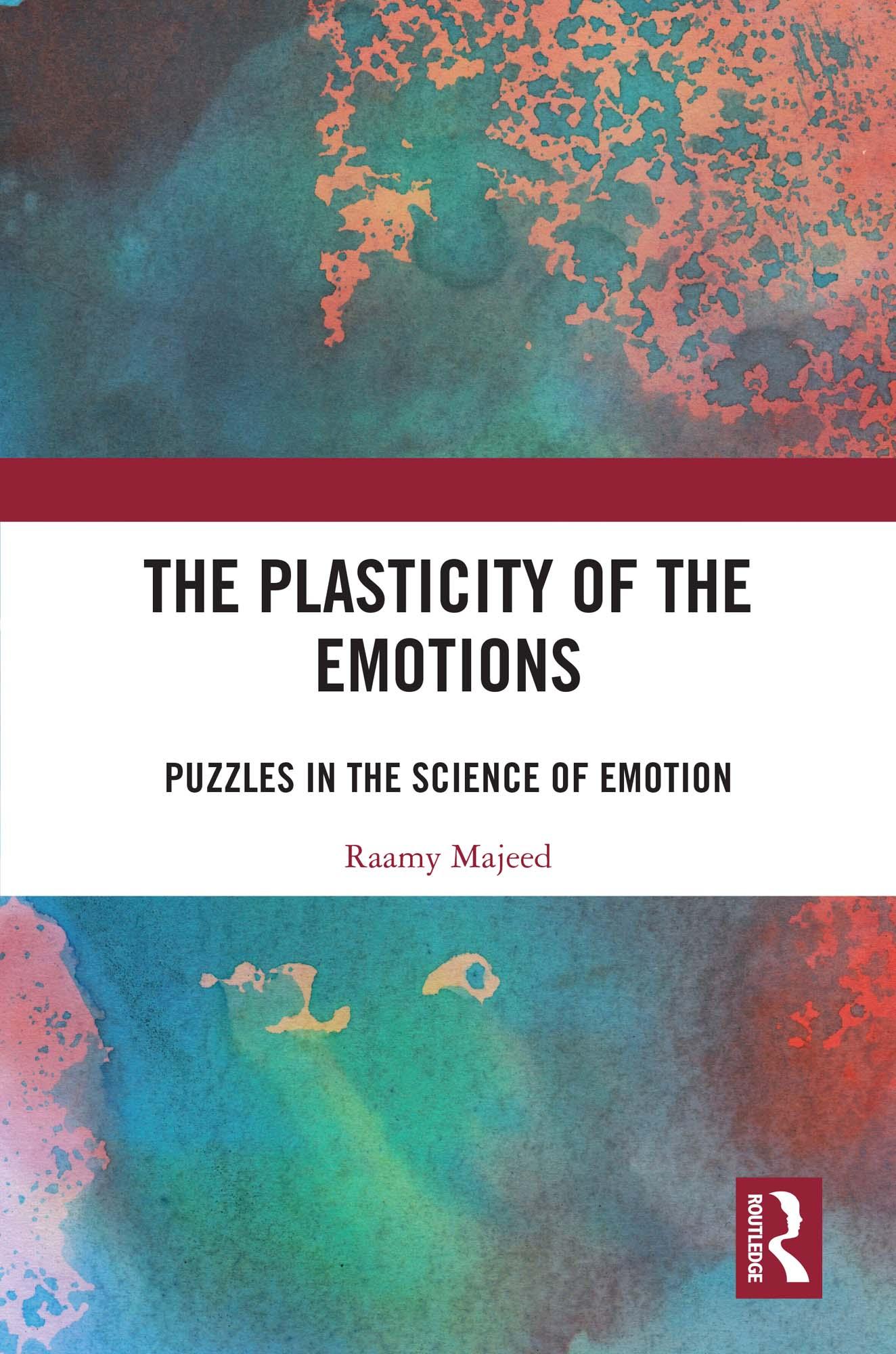
The emotions is a topic at the forefront of study and research in philosophy, yet most studies focus on debates concerning the emotions and rationality, how emotions differ from feeling and sensation and whether there is a science of the emotions. Relatively overlooked, however, are the philosophical questions raised by the fact that our emotions develop and change over the course of a lifetime.
In The Plasticity of the Emotions: Puzzles in the Science of Emotion, Raamy Majeed examines this phenomenon via three questions: the plasticity of our emotions as they are shaped and reshaped over time; how best to accommodate recent findings about the neurobiological variability of emotion mechanisms; and how to categorise emotions in light of such variability. He argues that neither of the dominant explanatory frameworks — emotional modularity and emotional constructionism — adequately addresses these puzzles.
By integrating new insights from developmental research into philosophy of mind, cognitive psychology and cognitive neuroscience, Majeed proposes a novel perspective on emotional development and change, one that synthesises the best features of existing frameworks and solves some of the major puzzles. It will be of interest to those studying and researching the philosophy of emotion, philosophy of psychology, philosophy of mind and cognitive science.
Pay easily by card, Klarna, Apple Pay or Google Pay. Not happy? You always have a 14-day money-back guarantee. Read more in our terms. If you have any questions, email us at hello@memmo.org.
Memmo makes studying easier – wherever you are in the world. We bring your course books and smart study tools together in one place: summaries, quizzes, podcasts and flashcards. Plus Ted, your study buddy who answers anything you wonder. Over 50,000 students already study here – built to help you learn faster and stress less.