
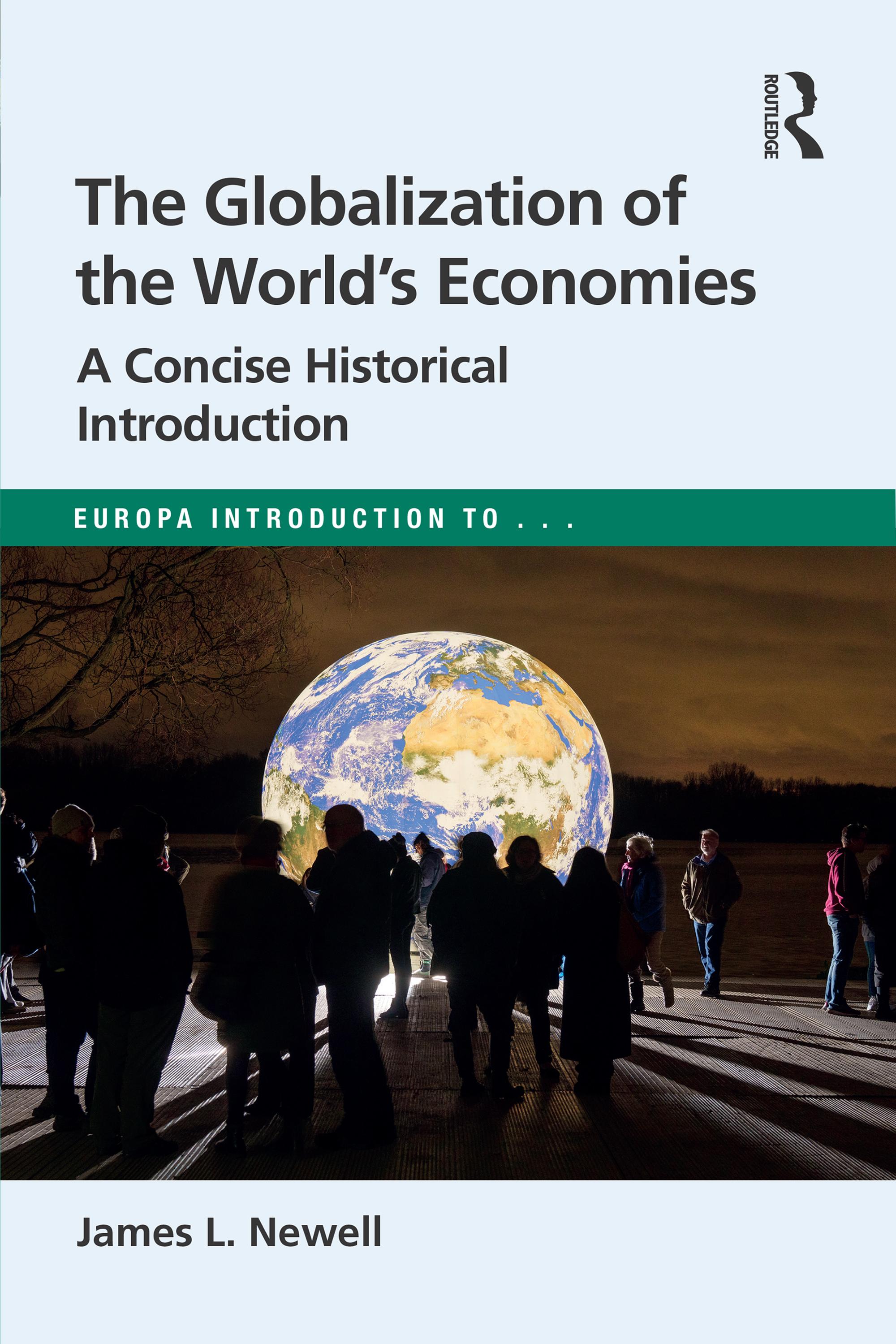
The world is standing at a crossroads. On the one hand, economic globalization has brought unprecedented levels of prosperity. It has lifted millions out of poverty; it has massively enhanced education and skills development; and it has increased the potential for the exercise of power from below, for the complexity of global supply chains renders them highly vulnerable to disruption by the protests of small groups of people in far-flung places. On the other hand, neoliberal globalization has brought rising inequality; the emergence, in the developed world, of the so-called left behind; refugee crises; and increasingly problems related to health and the climate, which the institutions of global governance have struggled to deal with, thus undermining their authority and fuelling the growth of populist nationalism.
In order to get a sense of whether economic globalization will in future take a positive or a negative path, it is essential to look at the past. It is only through gaining an understanding of how we have come to be where we are that we will be better placed to see where we are going and, most importantly, to take the action needed to enable us to face the future with optimism rather than with fear.
This volume provides a comprehensive overview in historical perspective of the development and current state of globalization, offering a wealth of information to students, professionals and researchers alike.
Pay easily by card, Klarna, Apple Pay or Google Pay. Not happy? You always have a 14-day money-back guarantee. Read more in our terms. If you have any questions, email us at hello@memmo.org.
Memmo makes studying easier – wherever you are in the world. We bring your course books and smart study tools together in one place: summaries, quizzes, podcasts and flashcards. Plus Ted, your study buddy who answers anything you wonder. Over 50,000 students already study here – built to help you learn faster and stress less.