
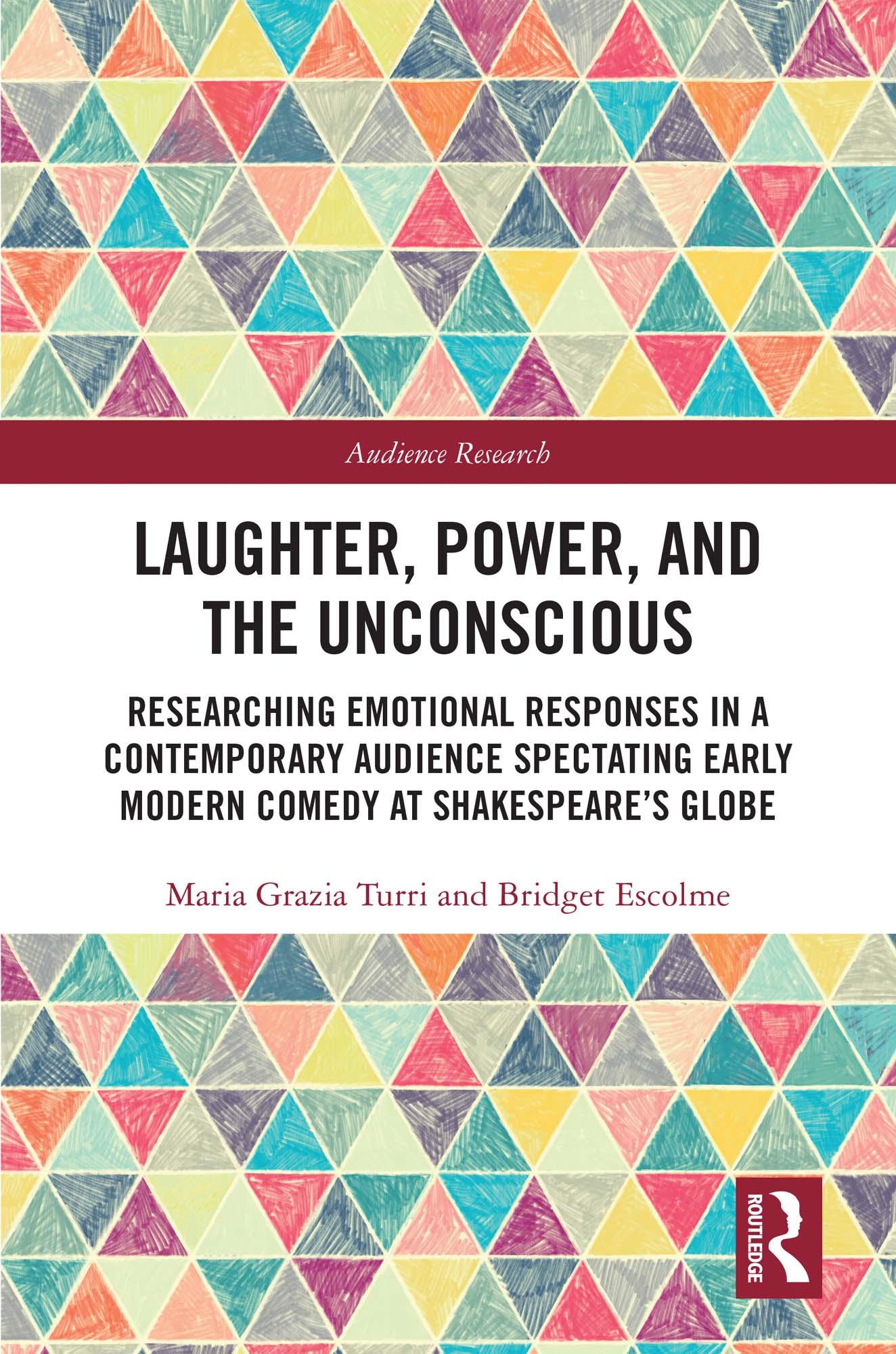
Laughter, Power, and the Unconscious offers paradigm-breaking insights into the psychological and sociopolitical dimensions of humour and comedy. Based on an innovative audience experiment at Shakespeare's Globe, the authors develop a revolutionary theory of humour as manic defence, challenging Freud's classic formulations while engaging with contemporary humour theories.
The text explores three key domains: firstly, it establishes and evaluates the theory in comparison to Freud's work in Jokes and their Relation to the Unconscious, while positioning it within major humour frameworks; secondly, it demonstrates the theory's application to Renaissance comedy, examining characters like Malvolio from Twelfth Night alongside stock figures of cuckolds and madmen in both English theatrical traditions and commedia dell'arte; finally, it investigates the theory's broader sociopolitical relevance by analysing war-related humour and racist jokes while addressing comedy's dual capacity to both challenge and reinforce existing power structures.
This volume will appeal to the scholars and students of theatre and performance studies, psychology, literary theory and cultural studies interested in the sociopolitical implications of humour.
Pay easily by card, Klarna, Apple Pay or Google Pay. Not happy? You always have a 14-day money-back guarantee. Read more in our terms. If you have any questions, email us at hello@memmo.org.
Memmo makes studying easier – wherever you are in the world. We bring your course books and smart study tools together in one place: summaries, quizzes, podcasts and flashcards. Plus Ted, your study buddy who answers anything you wonder. Over 75,000 students already study here – built to help you learn faster and stress less.