
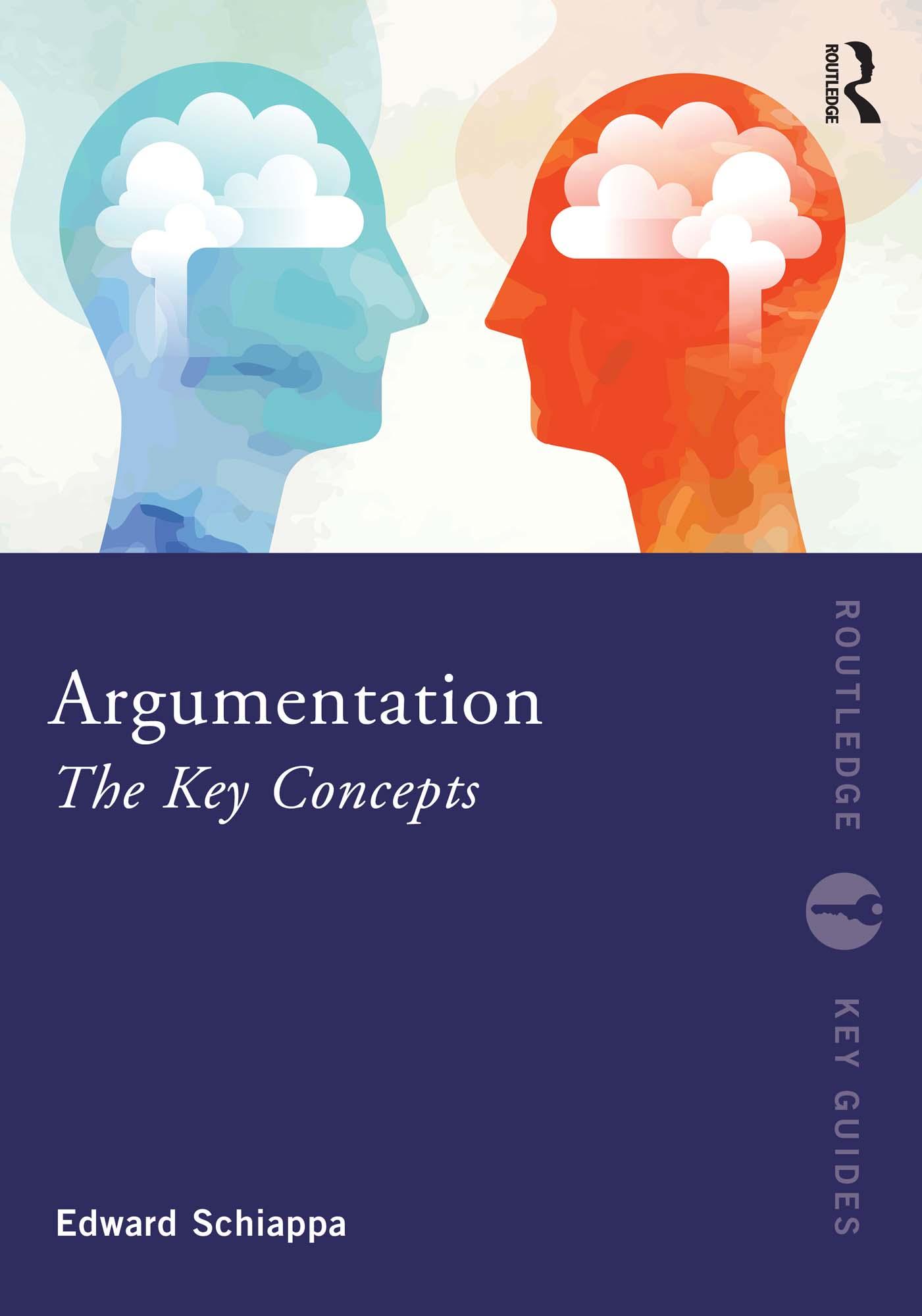
This book is an accessible reference guide to the key concepts associated with argumentation theory, criticism, and pedagogy.
Providing an encyclopedic‑style synthesis, the book defines and describes 175 essential concepts of argumentation, and provides discussion of the meaning, application, and impact, as well as offering suggestions for further reading. Readers are introduced to foundational reasoning methods—deductive, inductive, and abductive—as well as key argumentative models such as the Toulmin Model and Pragma‑Dialectics. The text delves into the identification and analysis of fallacies, the evaluation of evidence, and the crucial roles of context, audience adaptation, and argumentative style. It explores the ethical dimensions of argument, the impact of cognitive bias, and the influence of cultural and discourse communities.
The first of its kind and a key entry point to understanding the fundamental principles of the field, this guidebook is ideal for undergraduate and graduate courses in argumentation, debate, rhetoric, and communication studies as well as other related disciplines. It will also be of interest to the general reader looking to improve their analytical and decision‑making abilities.
Pay easily by card, Klarna, Apple Pay or Google Pay. Not happy? You always have a 14-day money-back guarantee. Read more in our terms. If you have any questions, email us at hello@memmo.org.
Memmo makes studying easier – wherever you are in the world. We bring your course books and smart study tools together in one place: summaries, quizzes, podcasts and flashcards. Plus Ted, your study buddy who answers anything you wonder. Over 75,000 students already study here – built to help you learn faster and stress less.