
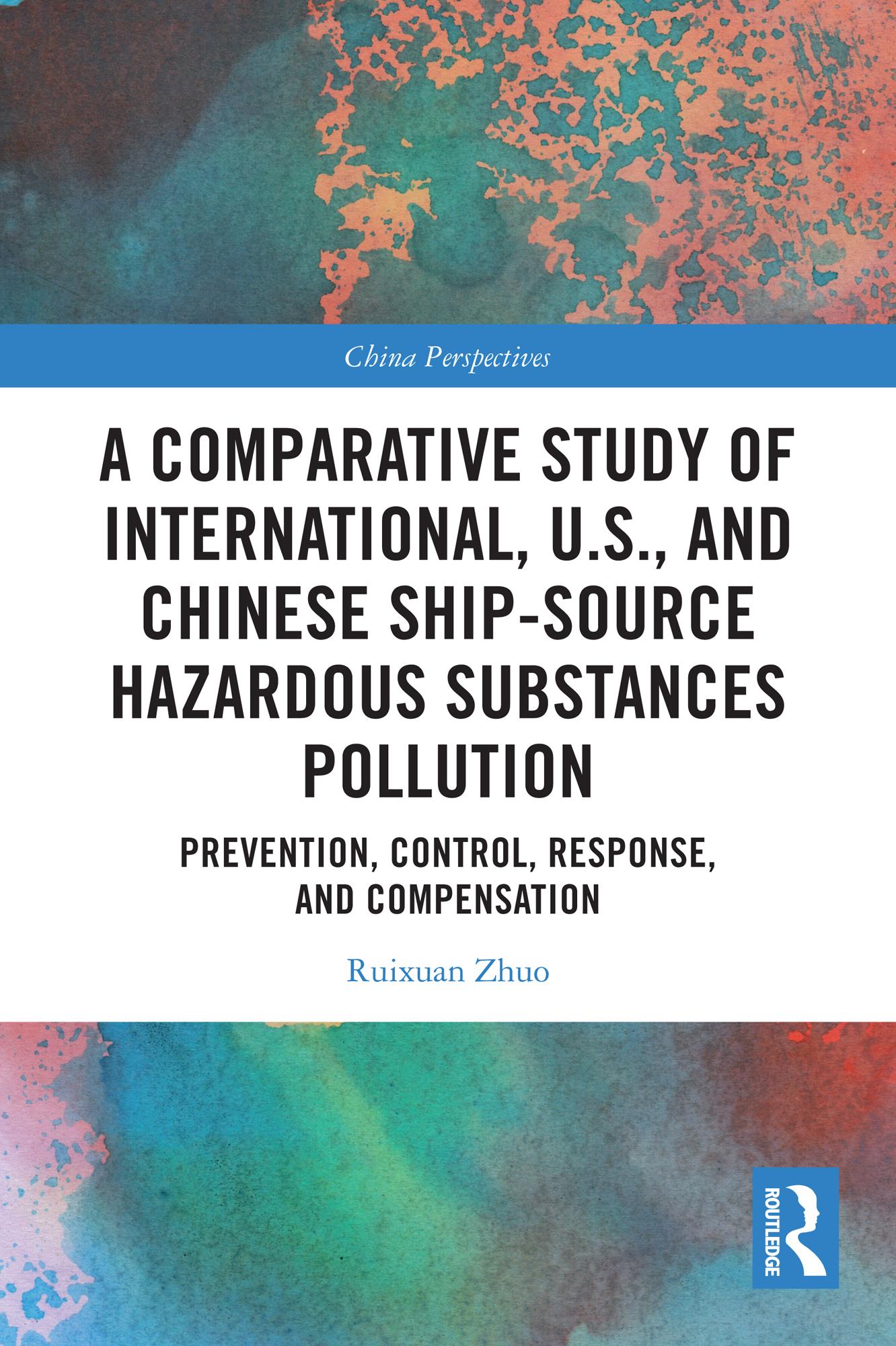
The book systematically discusses how to better regulate and reduce ship-source hazardous substances pollution. It analyzes international, U.S., and Chinese laws and regulations from the perspectives of pollution prevention and control, emergency response and environmental remediation, and liability and compensation for damage.
Through case studies of major ship-source hazardous substances pollution incidents in the United States and China, the author concludes that prevention, control, and response measures must be considered alongside conflicts between pollution control objectives and other economic, social, and political constraints. Additionally, in China, prevention, control, and response efforts are constrained by a narrow definition of damage, insufficient liability limits, and underdeveloped insurance and supplementary funding mechanisms, despite the consideration of environmental claims in the compensation regimes. The author calls for adequate legal institutions that include discharge standards and permits, emergency response protocols, strict compensation standards, limited defenses, a supplementary compensation fund, and comprehensive enforcement that integrates national regulations and international cooperation.
This book serves as a useful reference for students, scholars, and legal professionals specializing in shipping, maritime, and environmental law.
Pay easily by card, Klarna, Apple Pay or Google Pay. Not happy? You always have a 14-day money-back guarantee. Read more in our terms. If you have any questions, email us at hello@memmo.org.
Memmo makes studying easier – wherever you are in the world. We bring your course books and smart study tools together in one place: summaries, quizzes, podcasts and flashcards. Plus Ted, your study buddy who answers anything you wonder. Over 50,000 students already study here – built to help you learn faster and stress less.