
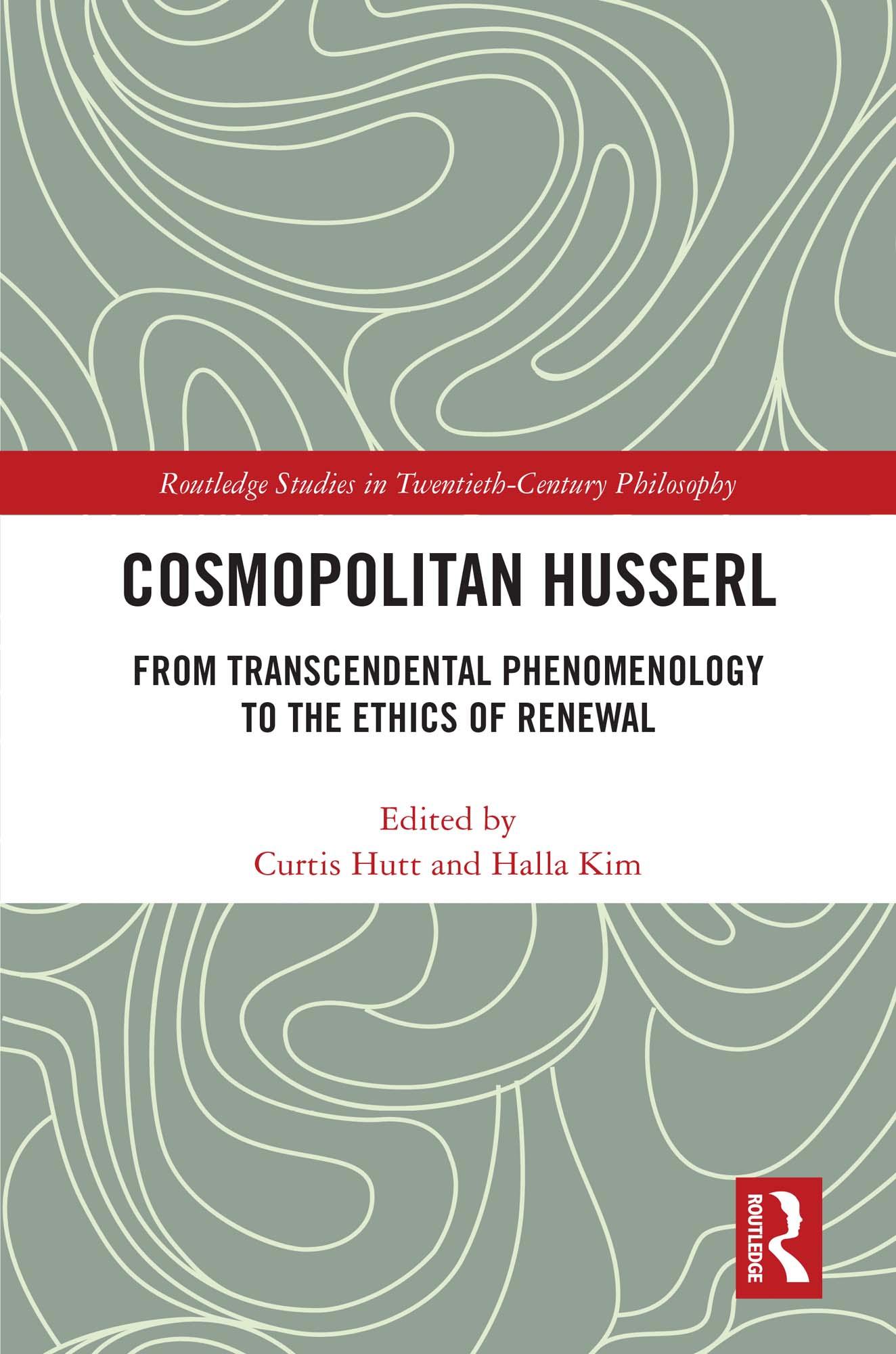
This volume reflects on the themes and topics presented in Edmund Husserl’s articles published in the popular Japanese magazine Kaizōin 1923. It addresses the cosmopolitan nature of Husserl’s work as well as the enduring appeal of Husserl’s cultural phenomenology for today’s globalized age.
The notions of crisis and renewal are clearly central to the thought of Husserl in his outreach to Japanese readers in his Kaizō articles. For Husserl, something critical from the European past had to be renewed to stop the catastrophe embodied in the Great War and its aftermath from getting worse. This volume explores Husserl’s earliest work on European Krisis, his unexpected interest in history, as well as his overlooked contributions to religion, politics, and the ethics of renewal. The chapters are divided into four main parts. Part 1 addresses general issues in Husserl’s cultural phenomenology with special attention paid to topics pursued in the Kaizō. Part 2 provides new work on Husserl and global phenomenology. It considers Husserlian engagements with Japanese and other East Asian philosophical and religious traditions, as well as the relevance of Husserl’s work for the global South, from the Caribbean to Africa. This volume includes chapters in Parts 1 and 2 that attempt to assay Husserl’s relationship to the European “other” as encountered in Jewish thought. In Part 3, there is a review of the publication of the Kaizō work in addition to an early history of Husserlian phenomenology in Japan. The editors reproduce the content of the first Kaizō article in the appendix, Part 4, supplying new reader‑friendly English and Japanese translations.
Cosmopolitan Husserl will appeal to researchers and graduate students as well as advanced undergraduate students and the general public who are interested in Husserl, phenomenology, comparative philosophy, and religious studies.
Pay easily by card, Klarna, Apple Pay or Google Pay. Not happy? You always have a 14-day money-back guarantee. Read more in our terms. If you have any questions, email us at hello@memmo.org.
Memmo makes studying easier – wherever you are in the world. We bring your course books and smart study tools together in one place: summaries, quizzes, podcasts and flashcards. Plus Ted, your study buddy who answers anything you wonder. Over 50,000 students already study here – built to help you learn faster and stress less.