
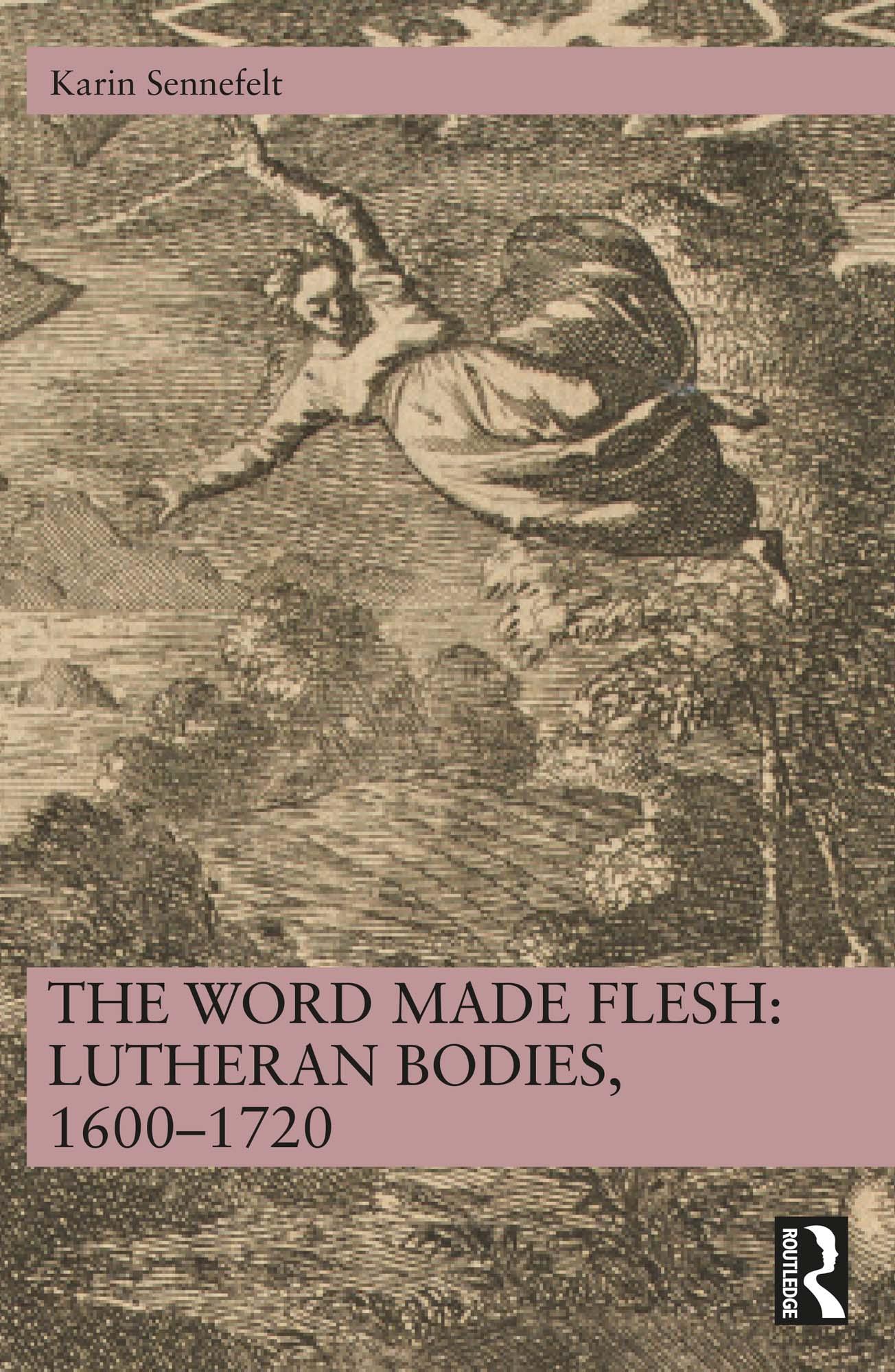
From children’s visions of angels to the cancerous belly of a king, this book shows how the body was at the centre of religious experience in seventeenth-century Lutheran culture. It explores what it was like to live in a body that was situated between the heavenly and earthly realms in the century following the Reformations, how faith shaped the experience of the body, and how the body shaped religious experience. Lutherans fasted and fortified their bodies through asceticism or exposure to harsh conditions. People of all types could feel the Holy Spirit entering their bodies and follow its movement within. Early modern Lutherans used their bodies to understand the complexities of their world, and by knowing about their physiology we come closer to grasping it.
Based on a varied set of sources from the expansive Swedish empire, with connections from Lapland to the North American colonies, this book shows how spiritual experience played out in relation to gender and age, revealing the powerful resemblances that connected bodies spiritually, politically, socially and emotionally. This book challenges received notions that Lutheranism implied a removed corporeality, mediated by an abstracted faith, and offers new insights into studying early modern corporeality.
The Word Made Flesh will be of interest to scholars and students in history, religion, history of medicine, gender and body studies.
Pay easily by card, Klarna, Apple Pay or Google Pay. Not happy? You always have a 14-day money-back guarantee. Read more in our terms. If you have any questions, email us at hello@memmo.org.
Memmo makes studying easier – wherever you are in the world. We bring your course books and smart study tools together in one place: summaries, quizzes, podcasts and flashcards. Plus Ted, your study buddy who answers anything you wonder. Over 50,000 students already study here – built to help you learn faster and stress less.