
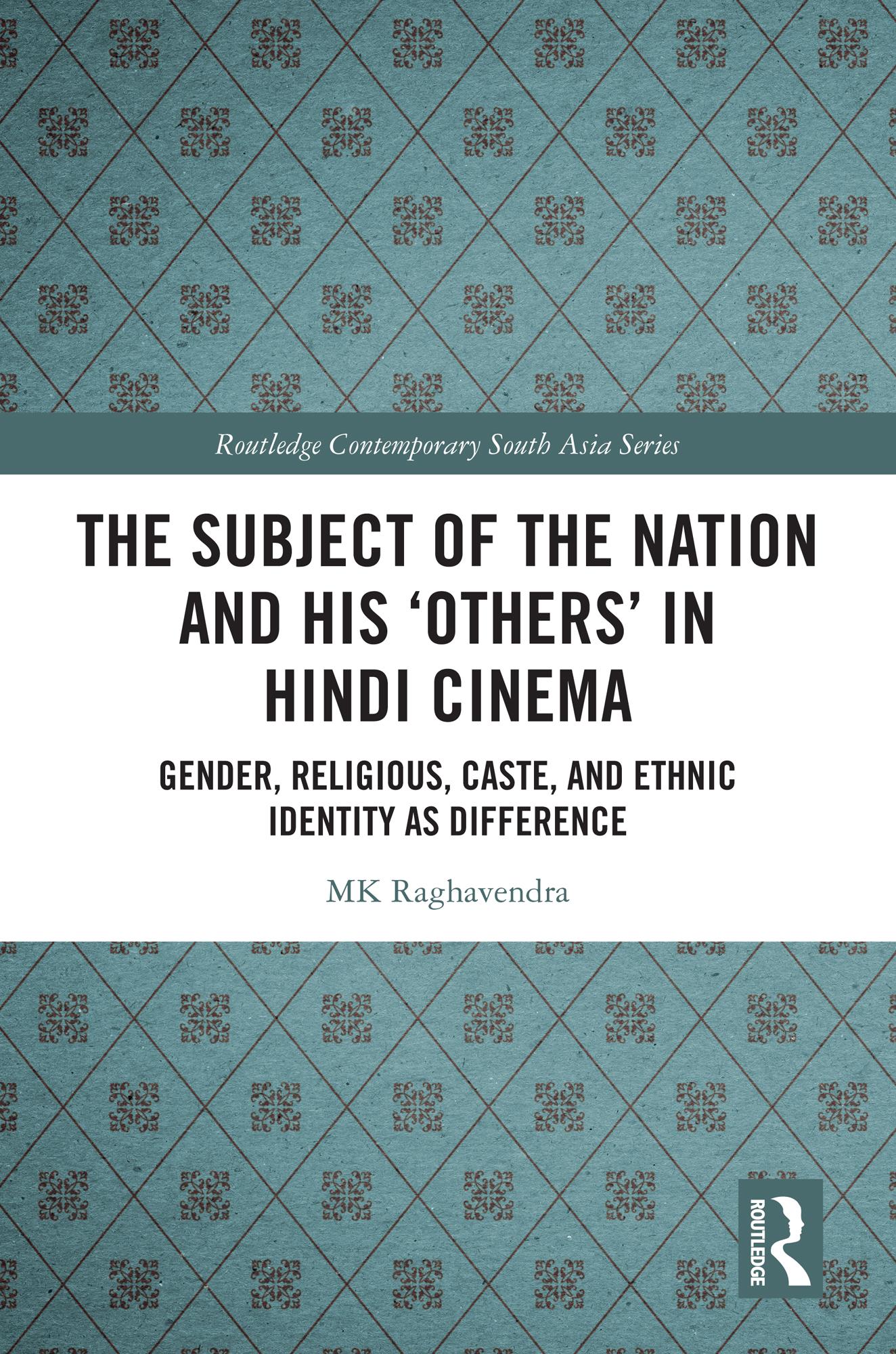
This book analyzes the representations of the subjects of Hindi cinema as a way of gaining insights into the hegemony of the upper-caste Hindu male in narratives of nationhood.
Given that Hindi cinema has narrativized the nation after 1947, the book examines how these subjects were chosen and argues that they were upper-caste, Hindu and predominantly male. The author's analysis shows asymmetries in the constitution of the ‘imagined nation’ in the public consciousness. Women, the marginalized categories, and minorities were presented as ‘others’ with separate stories for the issues dealing with them—but distinct from that of the nation. Stories centered on women primarily highlight their position within society. In this context, the book argues that it is the male protagonist whose story mirrors that of the nation as allegory.
A novel contribution to the field of Bollywood Studies, this insightful work will be of interest to those studying Hindi cinema and film studies, political science and history, as well as gender studies.
Pay easily by card, Klarna, Apple Pay or Google Pay. Not happy? You always have a 14-day money-back guarantee. Read more in our terms. If you have any questions, email us at hello@memmo.org.
Memmo makes studying easier – wherever you are in the world. We bring your course books and smart study tools together in one place: summaries, quizzes, podcasts and flashcards. Plus Ted, your study buddy who answers anything you wonder. Over 50,000 students already study here – built to help you learn faster and stress less.