
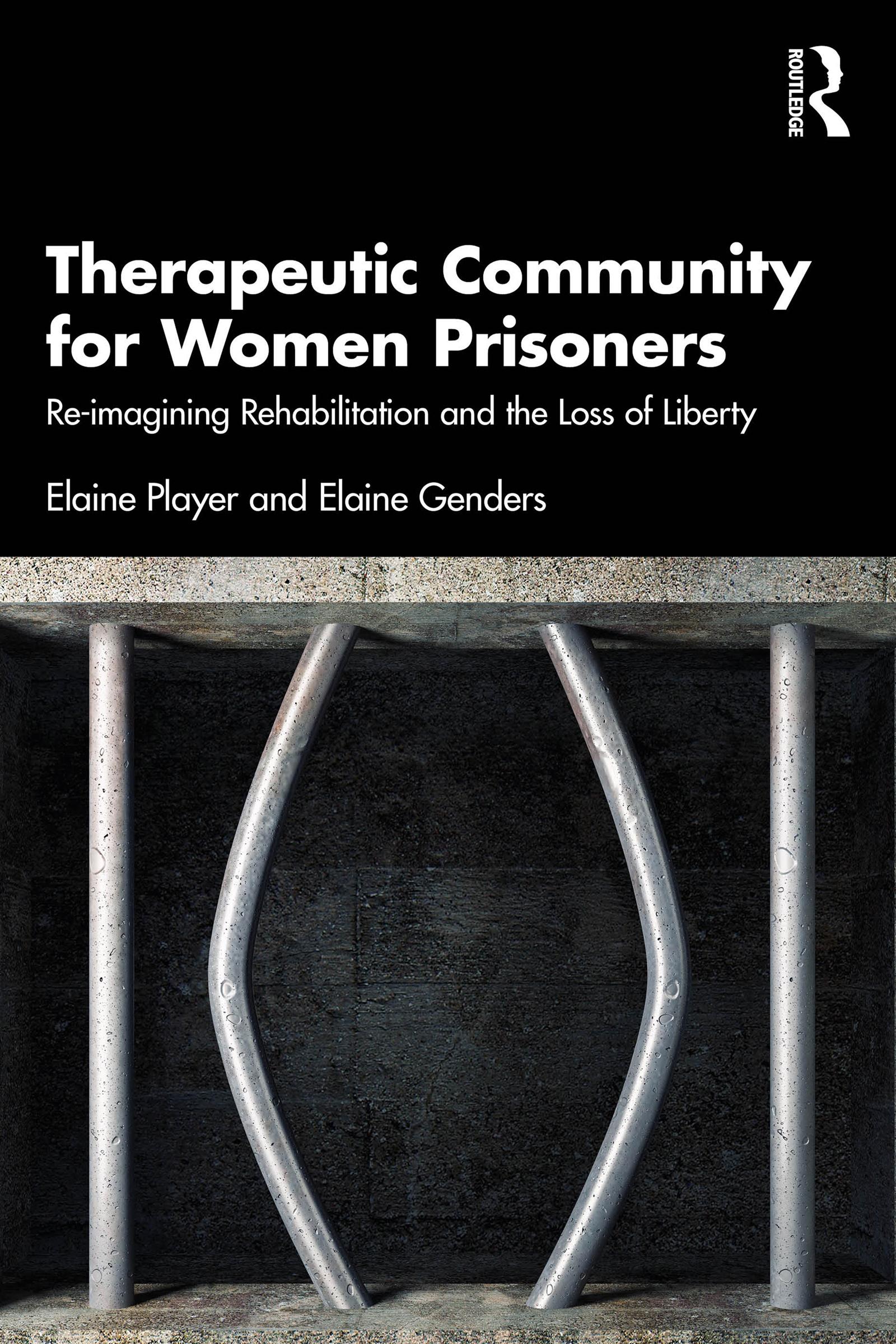
Based upon an extensive empirical study of a democratic therapeutic community for women serving long and medium sentences, this book explores the opportunities it provided for restorative rehabilitation. In so doing it identifies some of the interconnected ways in which these ambitions are undermined by pervasive, yet often tacit, assumptions that underly penal policies and practices.
Drawing on a wealth of data gathered from a study spanning a period of eighteen years at the only democratic therapeutic community for women prisoners in the UK, the book highlights how feminist criminology has revealed an invidious history of women’s treatment in prison, demonstrating how reformist and rehabilitative interventions have reproduced and exacerbated existing states of inequality and oppression. Consequently, the question explored in this book is whether a proportionate sentence that imposes a loss of liberty is inevitably destined to this fate or whether it can be constructed in ways that are progressive and transformative. By identifying and understanding some of the interconnected ways in which progressive efforts have typically been undermined, it opens a debate about the insinuation of certain, often unspoken, assumptions that underly penal policies and practices and the need for their deconstruction. It opens an axiomatic debate about how women imprisoned for serious offences might have that loss of liberty interpreted to facilitate a restorative, reparative and reintegrative process of rehabilitation, informed by principles of social justice.
This book will be of great interest to students and scholars of criminology, feminist studies, public policy, and human rights. It will also be of value to policymakers and practitioners in women’s prisons and psychologists and psychiatrists interested in therapeutic communities.
Pay easily by card, Klarna, Apple Pay or Google Pay. Not happy? You always have a 14-day money-back guarantee. Read more in our terms. If you have any questions, email us at hello@memmo.org.
Memmo makes studying easier – wherever you are in the world. We bring your course books and smart study tools together in one place: summaries, quizzes, podcasts and flashcards. Plus Ted, your study buddy who answers anything you wonder. Over 50,000 students already study here – built to help you learn faster and stress less.