
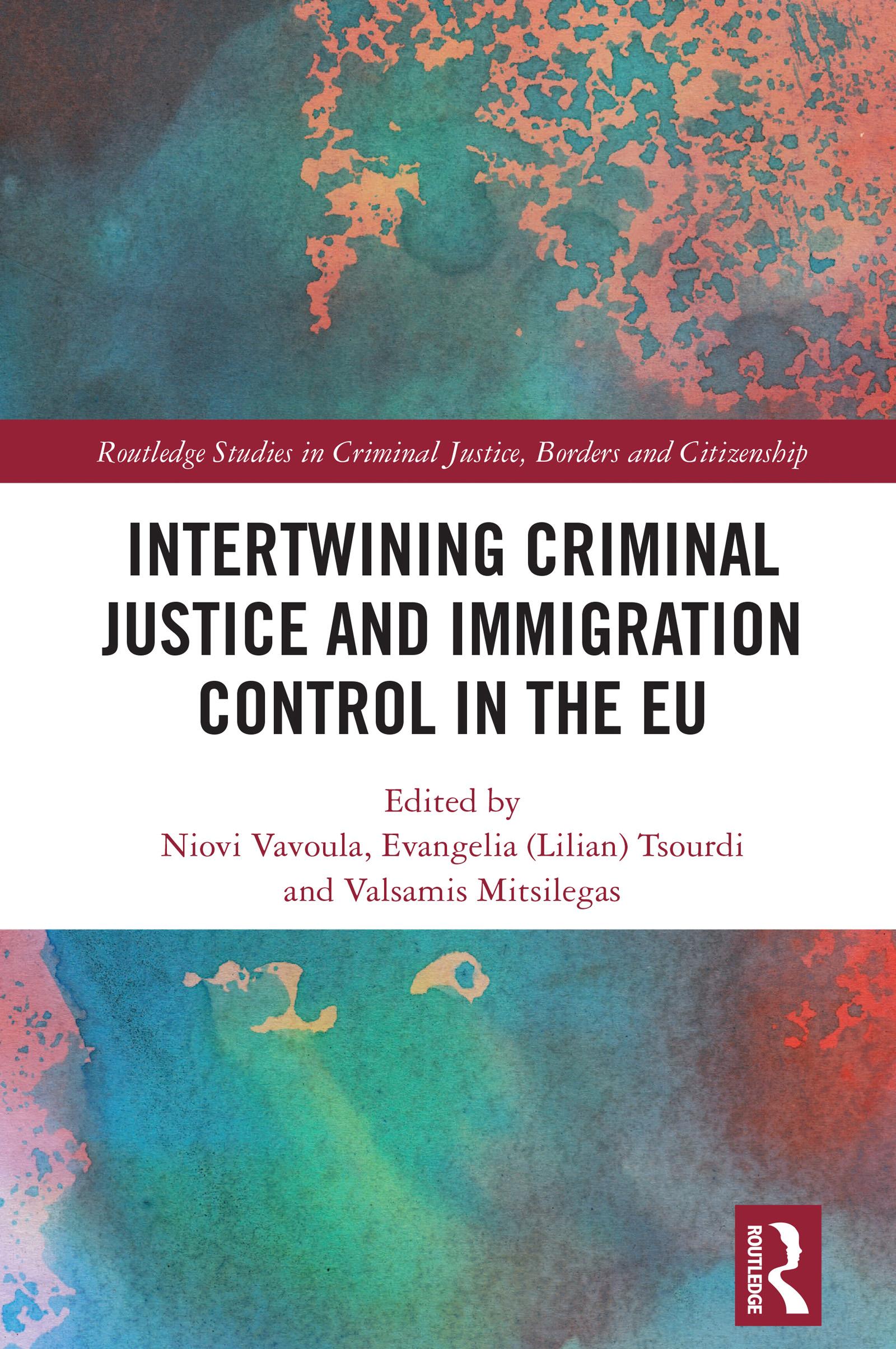
This book offers a contemporary understanding of the state of the art of "crimmigration" with a focus on the European Union and challenges this paradigm of intersecting criminal justice and immigration control.
The contributions to this book explore the conceptual and philosophical underpinnings of EU and national policies intertwining criminal and migration law, as well as their practical use (and abuse). They analyse migration control through criminal law from multidisciplinary and interdisciplinary perspectives, incorporating insights from law, philosophy, and criminology. The book revisits fundamental questions on the suitability of criminal law to regulate and govern migration and provides insights as to whether and how the law should be amended to limit the negative consequences of the criminalisation of migration. The authors critique the key legal challenges crimmigration poses in terms of legality, fundamental rights, and rule of law adherence. Finally, this volume outlines, through concrete examples, how criminalisation of migration translates into the emergence of hostile environments for migrants and those who assist them.
This book will be of interest to criminologists, sociologists, legal scholars, and all those engaged in studies on migration and the European Union.
Pay easily by card, Klarna, Apple Pay or Google Pay. Not happy? You always have a 14-day money-back guarantee. Read more in our terms. If you have any questions, email us at hello@memmo.org.
Memmo makes studying easier – wherever you are in the world. We bring your course books and smart study tools together in one place: summaries, quizzes, podcasts and flashcards. Plus Ted, your study buddy who answers anything you wonder. Over 50,000 students already study here – built to help you learn faster and stress less.