
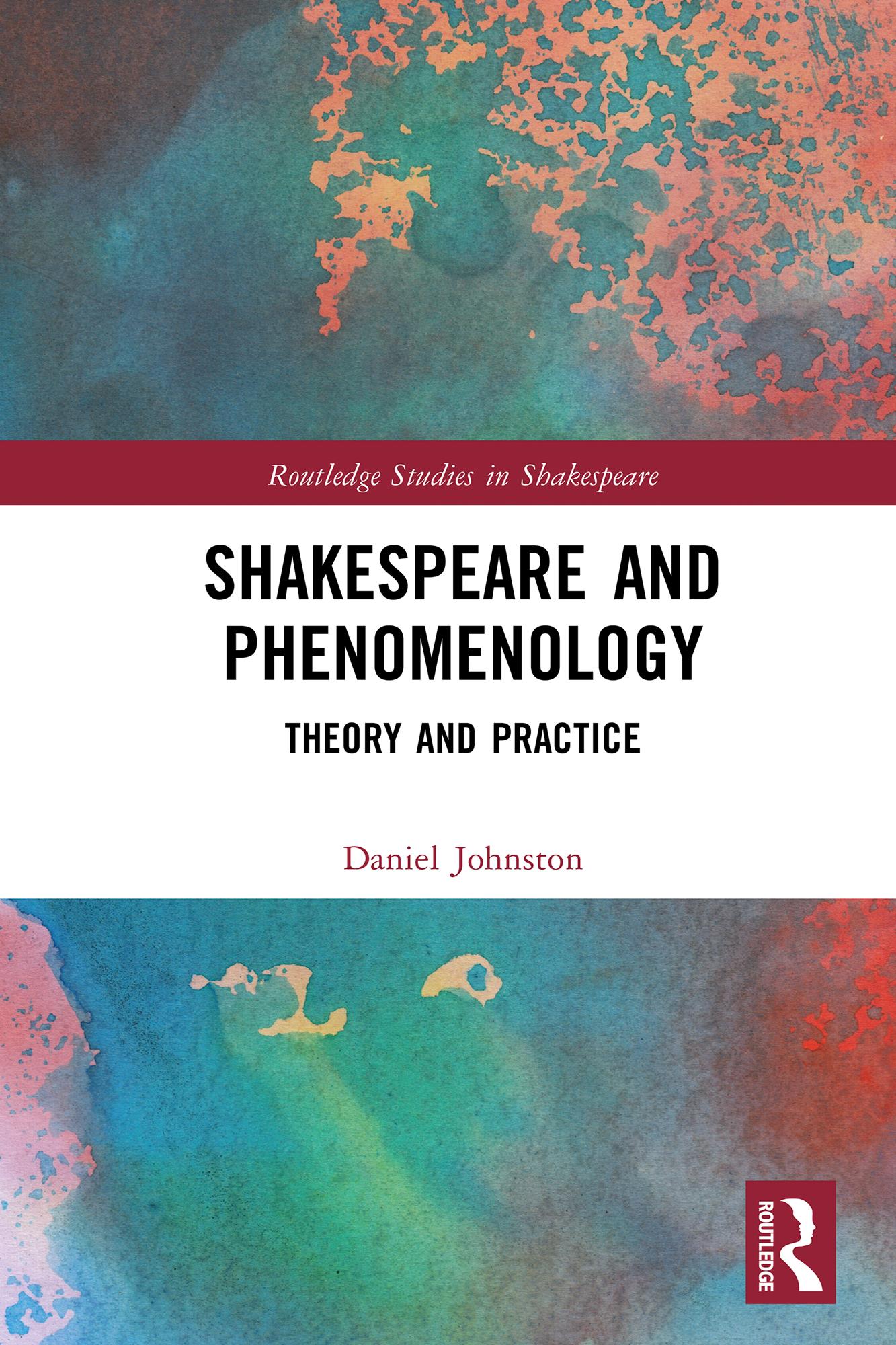
This book considers how Shakespeare’s theatre investigates and reveals “Being-in-the-world”. Through the lens of phenomenology (the study of how the world shows itself to conscious experience) Johnston examines how Shakespeare’s texts and dramaturgy reveal aspects of Being. This volume explores philosophical themes in Shakespeare’s drama, including perceptions of stage space and fictional place, temporality, bodies, authenticity, and memory in early modern English staging. It examines how Shakespeare asks the question of the meaning of Being by playing with the distinction between “what is” and “what is not”. The work offers practical performance tips and exercises to connect with modern audiences. Each chapter aims to inspire creative artists in production and rehearsal through a unique focus and provide a critical approach to performance. Through a phenomenological exploration of dramatic possibilities drawn from the key concepts of philosophers such as Edmund Husserl, Martin Heidegger, Maurice Merleau-Ponty, and Edith Stein, Johnston investigates theatre as a practical form of philosophical investigation. Theatre-makers should not only consider the fictional world of the play, but also the historical context of Shakespeare’s world and the contemporary context for connecting with audiences here, today, now.
Pay easily by card, Klarna, Apple Pay or Google Pay. Not happy? You always have a 14-day money-back guarantee. Read more in our terms. If you have any questions, email us at hello@memmo.org.
Memmo makes studying easier – wherever you are in the world. We bring your course books and smart study tools together in one place: summaries, quizzes, podcasts and flashcards. Plus Ted, your study buddy who answers anything you wonder. Over 75,000 students already study here – built to help you learn faster and stress less.
You might also like
Buy the book0