
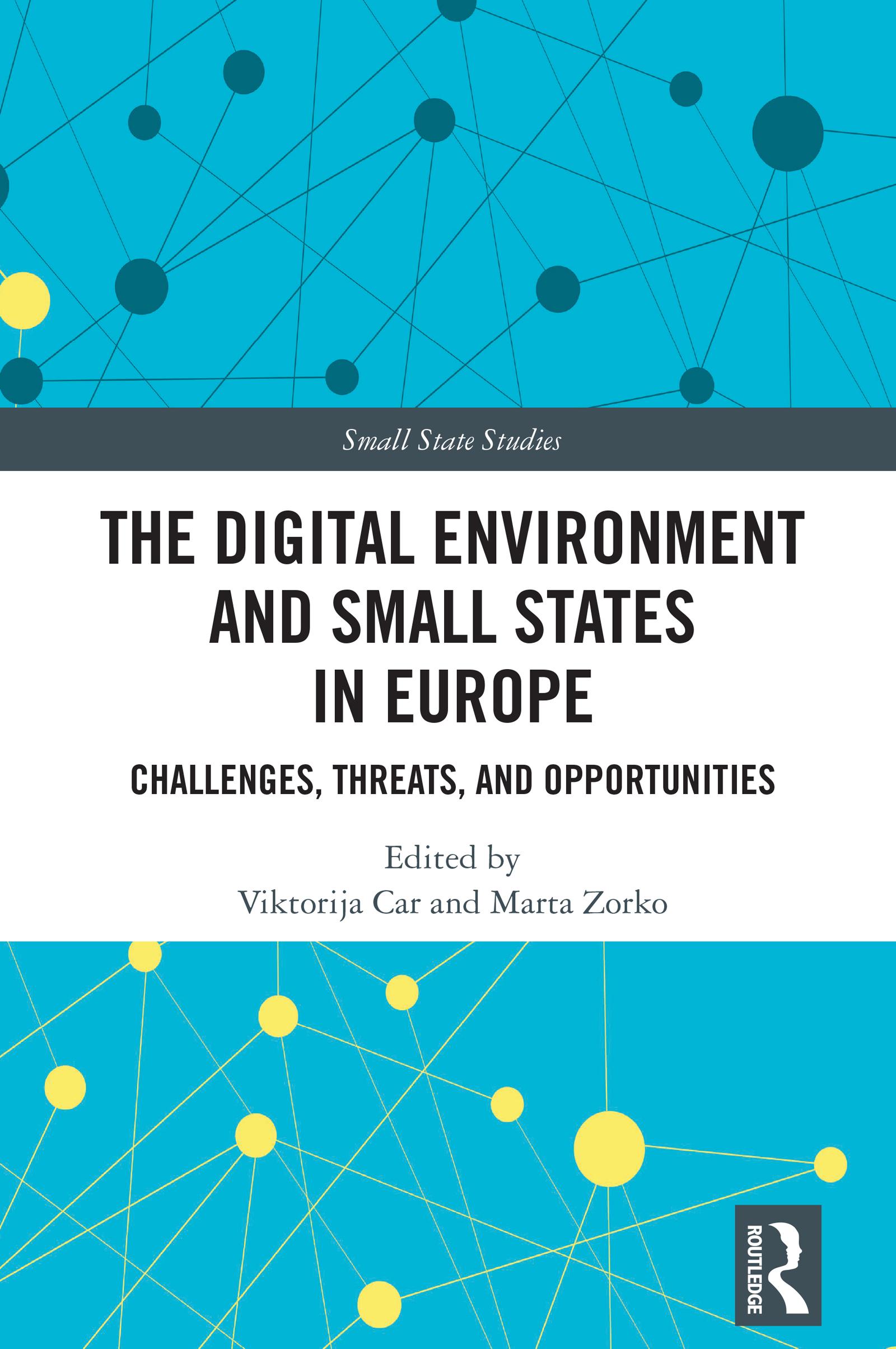
The Digital Environment and Small States in Europe delves into how the digital revolution intersects with global security dynamics and reshapes the geopolitical landscape. It sheds light on the geopolitical complexities inherent in the border regions of the European continent and proposes frameworks to better understand and engage with small state dynamics in international affairs.
At the heart of this book is an examination of the transformative power of digitalization and virtualization, particularly pronounced in the context of small states. Traditionally, power was synonymous with territorial control, but in today’s world, influence extends into the virtual realm. Small states, despite their physical limitations, can leverage this virtual extension of territory to their advantage. However, realizing and strategically utilizing these advantages are essential for capitalizing on the opportunities presented. Conversely, small states lacking digital capabilities find themselves increasingly vulnerable in the virtual sphere, facing heightened security threats and challenges. Through a series of theoretical and case study-based chapters, this book offers insights into the strategies employed by small states to navigate these complexities and assert their influence on the global stage. Key themes explored include the impact of digitalization on geopolitical dynamics, the role of cybersecurity in safeguarding national interests, and the emergence of digital diplomacy as a tool for statecraft.
The Digital Environment and Small States in Europe will be of great interest to scholars and students of international relations, geopolitics, and political science, as well as security, media, and communication studies. Additionally, policymakers and analysts involved in foreign policy and security affairs may find valuable insights in the book’s exploration of small state strategies and vulnerabilities.
Pay easily by card, Klarna, Apple Pay or Google Pay. Not happy? You always have a 14-day money-back guarantee. Read more in our terms. If you have any questions, email us at hello@memmo.org.
Memmo makes studying easier – wherever you are in the world. We bring your course books and smart study tools together in one place: summaries, quizzes, podcasts and flashcards. Plus Ted, your study buddy who answers anything you wonder. Over 50,000 students already study here – built to help you learn faster and stress less.