
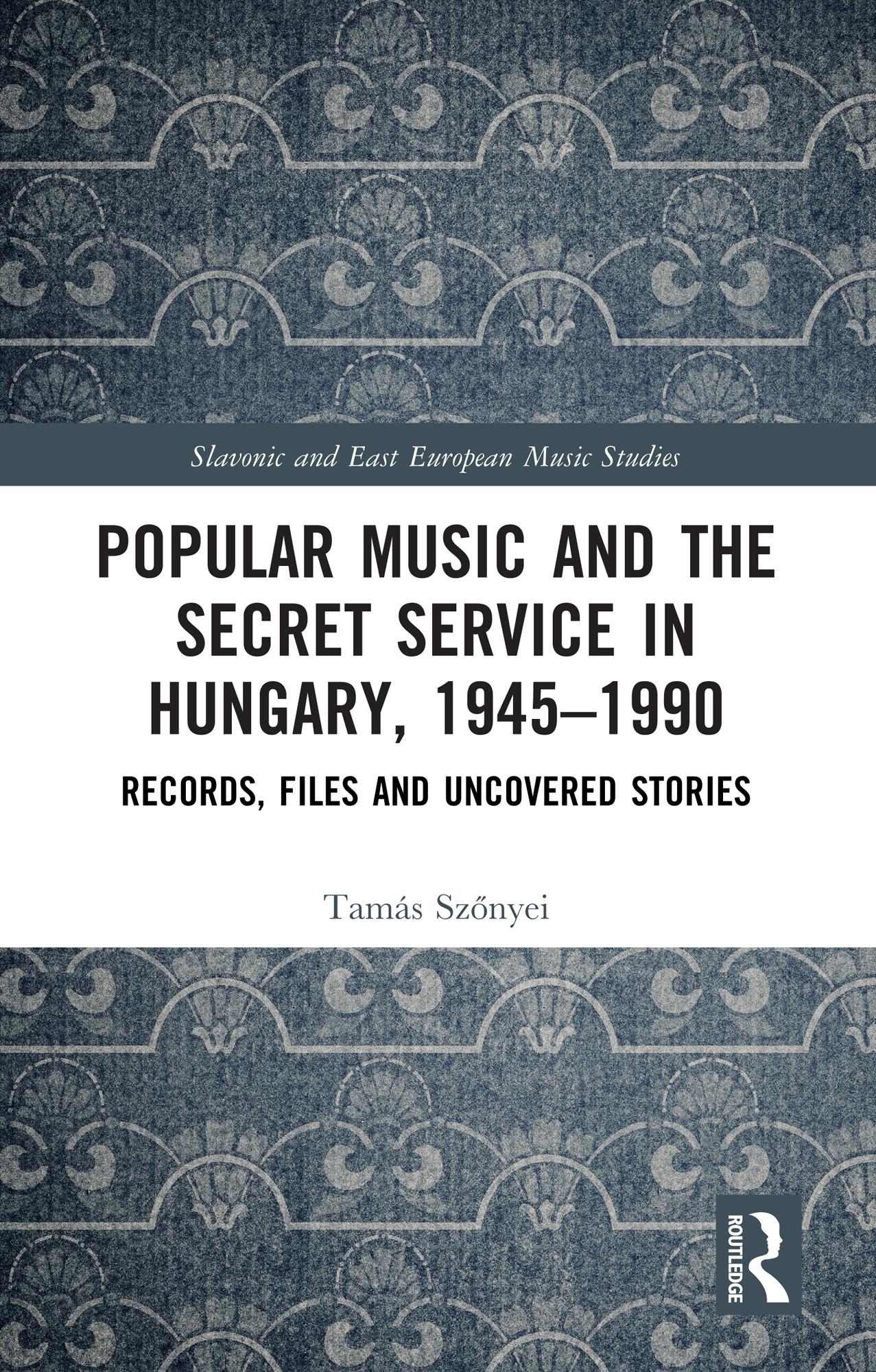
This book is a result of decades-long research into declassified files, offering a unique perspective for writing post-Second World War cultural history through the lens of the political police.
This is the first in-depth, document-based monographic account of how secret services attempted to oppress dissent in popular music in post-war socialist Hungary. The documents reveal the goals, methods and means of the political police in their efforts to exercise control over the world of popular music, including musicians, fans and institutions. Through a series of case studies, the book sheds light on the activities of state security against various musical genres – ranging from jazz to beat, folk, religious music, rock, disco, punk, new wave and oi – and youth subcultures, such as hooligans, hippies, rockers, folk enthusiasts, punks and skinheads. The secret service operated following the resolutions and cultural policy of the communist party and employed a network of secret informants alongside its apparatus until the collapse of the regime in 1990.
Readers interested in a specific narrative of 20th-century pop and politics, culture and the Cold War, secret services and socialist countries, will find it essential reading. It will appeal to scholars and students of humanities, arts, music and European history, as well as professionals such as journalists, art historians, musicologists, musicians, curators, teachers and music lovers alike.
Pay easily by card, Klarna, Apple Pay or Google Pay. Not happy? You always have a 14-day money-back guarantee. Read more in our terms. If you have any questions, email us at hello@memmo.org.
Memmo makes studying easier – wherever you are in the world. We bring your course books and smart study tools together in one place: summaries, quizzes, podcasts and flashcards. Plus Ted, your study buddy who answers anything you wonder. Over 50,000 students already study here – built to help you learn faster and stress less.