
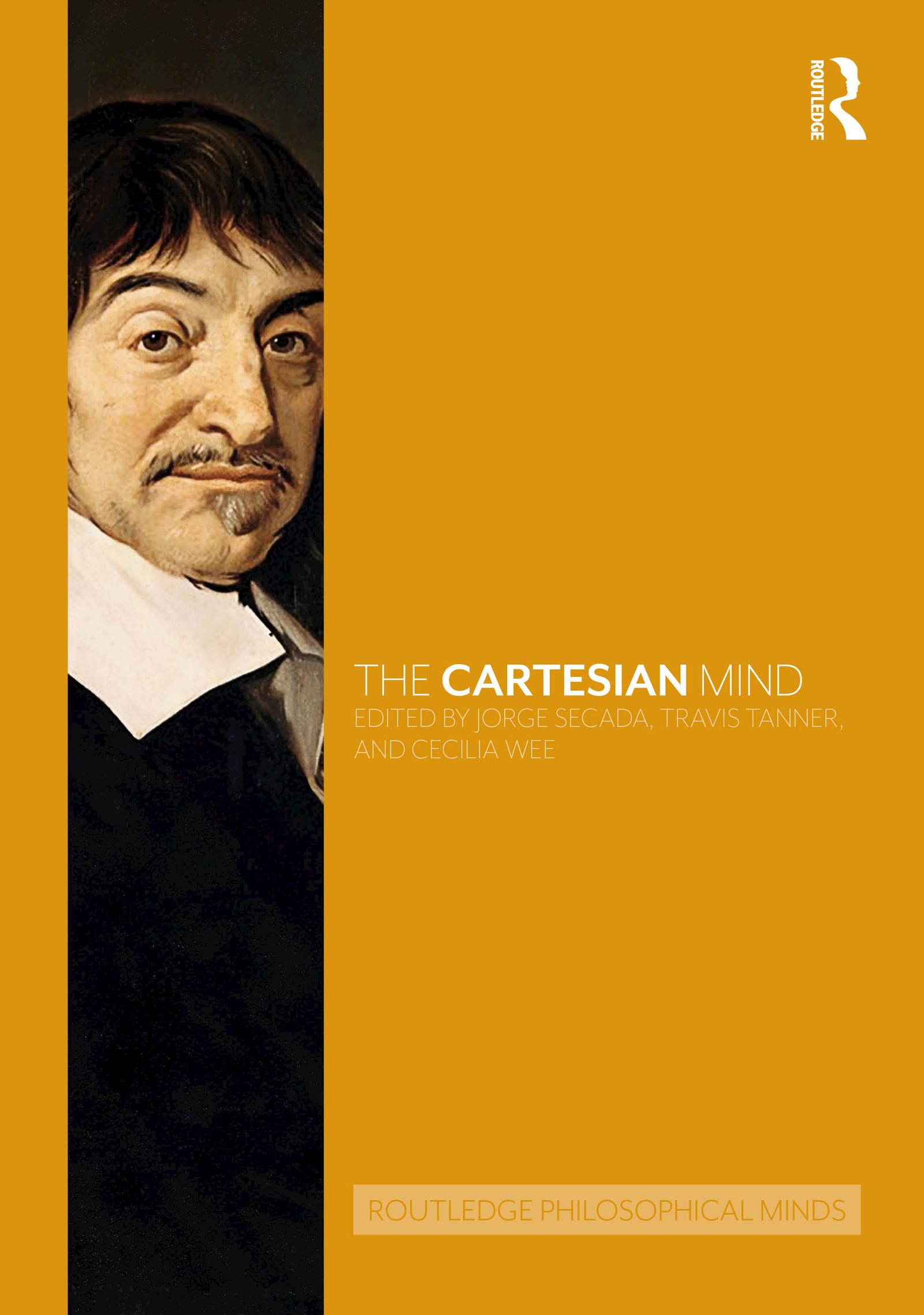
Descartes is widely acknowledged as a central figure in the origins of modernity. The nature of his thought and of the role it played is, however, a matter of considerable dispute among experts. The Cartesian Mind is a significant contribution to this debate. It covers the full extent of his work, not only placing it in its historical context but also exploring its reception, legacy, and contemporary significance.
Comprising over 40 chapters by an international team of distinguished scholars, the collection is divided into 3 parts:
- Historical Context
- Philosophical Themes
- Reception and Influence.
Within these parts, key topics are addressed, including Descartes's life and works, Platonism, Scholasticism, Stoicism, skepticism, atomism, meditation, method, the self, God, will and freedom, mind and body, biology and medicine, causation, mathematics, the natural sciences, philosophy of science, ethics, and the origins of idealism. Descartes’s reception and legacy within science and philosophy from the seventeenth century to our days, including current analytic and continental traditions, as well as within the broader contemporary culture, also receive sustained attention.
Descartes’s work is central to all areas of philosophy, including epistemology, metaphysics, philosophy of mind, philosophy of science, and ethics. As such The Cartesian Mind is essential reading and an indispensable tool for all students and researchers in the discipline.
Pay easily by card, Klarna, Apple Pay or Google Pay. Not happy? You always have a 14-day money-back guarantee. Read more in our terms. If you have any questions, email us at hello@memmo.org.
Memmo makes studying easier – wherever you are in the world. We bring your course books and smart study tools together in one place: summaries, quizzes, podcasts and flashcards. Plus Ted, your study buddy who answers anything you wonder. Over 50,000 students already study here – built to help you learn faster and stress less.