
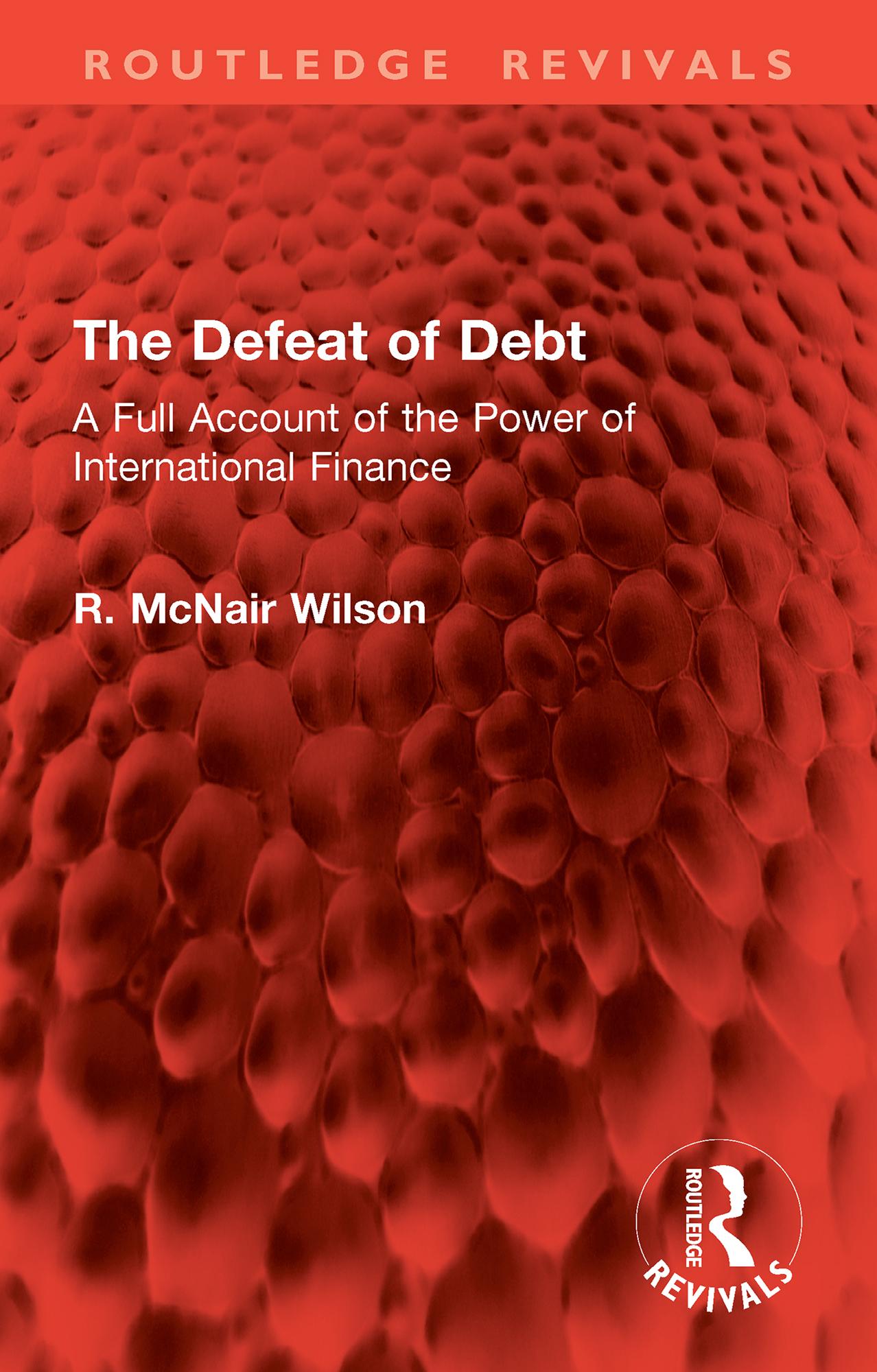
Prior to World War I, international trade was conducted based on what is known as the classical gold standard. In this system, trade between nations was settled using physical gold. Nations with trade surpluses accumulated gold as payment for their exports. Conversely, nations with trade deficits saw their gold reserves decline as gold flowed out of those nations as payment for their imports, creating debt laden economies, particularly for those countries impacted industrially by the First World War. In 1934, President Roosevelt signed the Gold Reserve Act which transferred the title of gold from private holders to the U.S. Treasury. The legislation successfully stopped the outflow of gold during the Great Depression. Originally published in 1935 this book discusses Roosevelt’s actions and their consequences for the world economy as well as global democracy.
Pay easily by card, Klarna, Apple Pay or Google Pay. Not happy? You always have a 14-day money-back guarantee. Read more in our terms. If you have any questions, email us at hello@memmo.org.
Memmo makes studying easier – wherever you are in the world. We bring your course books and smart study tools together in one place: summaries, quizzes, podcasts and flashcards. Plus Ted, your study buddy who answers anything you wonder. Over 50,000 students already study here – built to help you learn faster and stress less.