
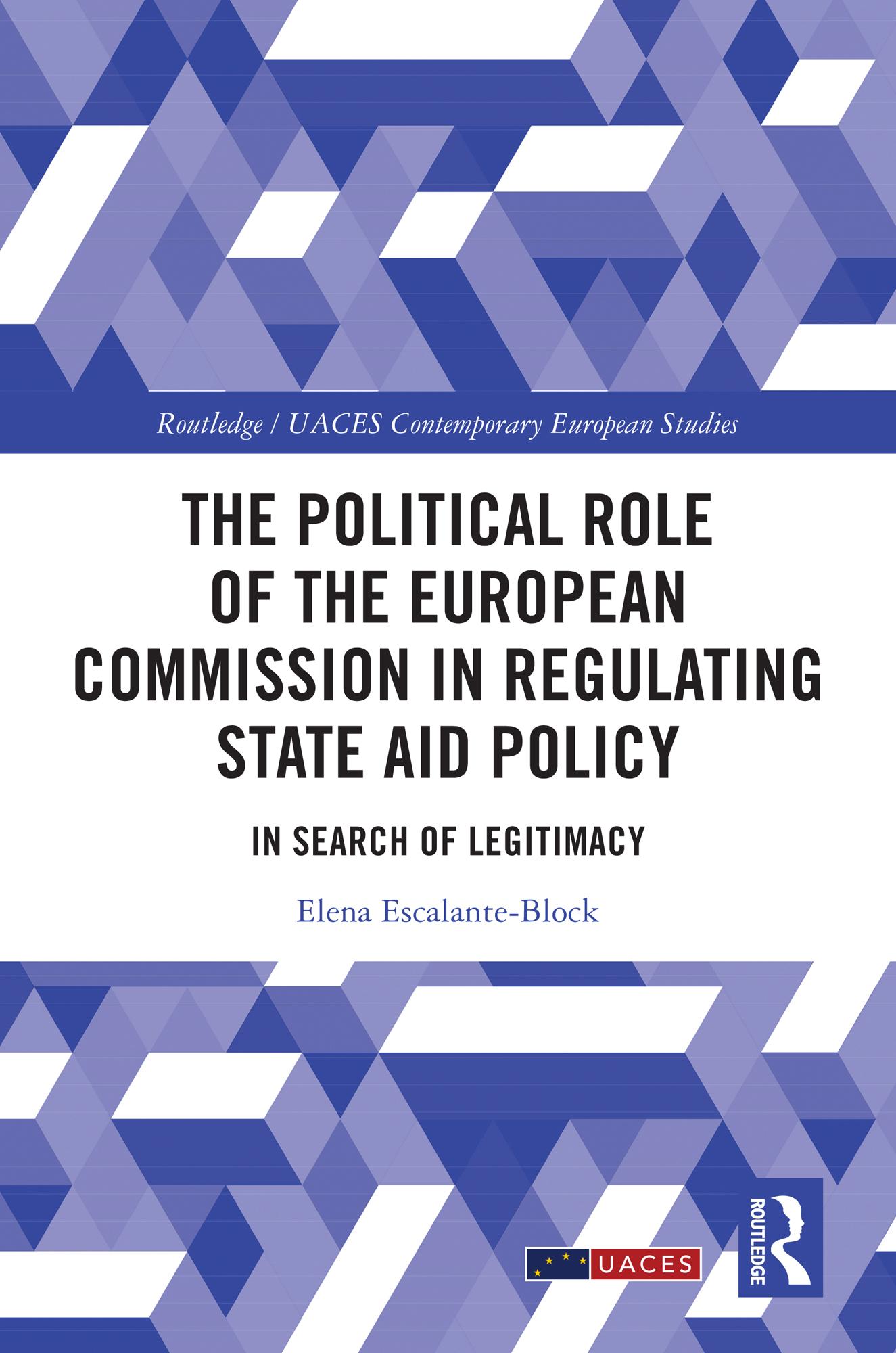
This book delves into questions of whether the European Commission is effectively regulating large corporations in Europe, and the public perceptions of the legitimacy of its decisions, by examining state aid cases and when and how actors choose to politicise or depoliticise them.
The book analyses how these corporations get away with certain anti-competitive behaviours and whether the European Commission is achieving something positive with its state aid cases in this regard. It also asks whether the role of the European Commission in regulating anti-competitive behaviour is perceived as legitimate by different political actors in the media. By uncovering how politicisation and depoliticisation can both positively and negatively shape the EU’s legitimacy, this book brings clarity to debates about the evolving role of the European Commission in an era of increased political contestation.
This book is of key interest to scholars and students of European Union politics/policy, European politics, comparative politics, public policy, political communication, global business law and regulation, sociology, public policy and law, and International Political Economy.
Pay easily by card, Klarna, Apple Pay or Google Pay. Not happy? You always have a 14-day money-back guarantee. Read more in our terms. If you have any questions, email us at hello@memmo.org.
Memmo makes studying easier – wherever you are in the world. We bring your course books and smart study tools together in one place: summaries, quizzes, podcasts and flashcards. Plus Ted, your study buddy who answers anything you wonder. Over 50,000 students already study here – built to help you learn faster and stress less.