
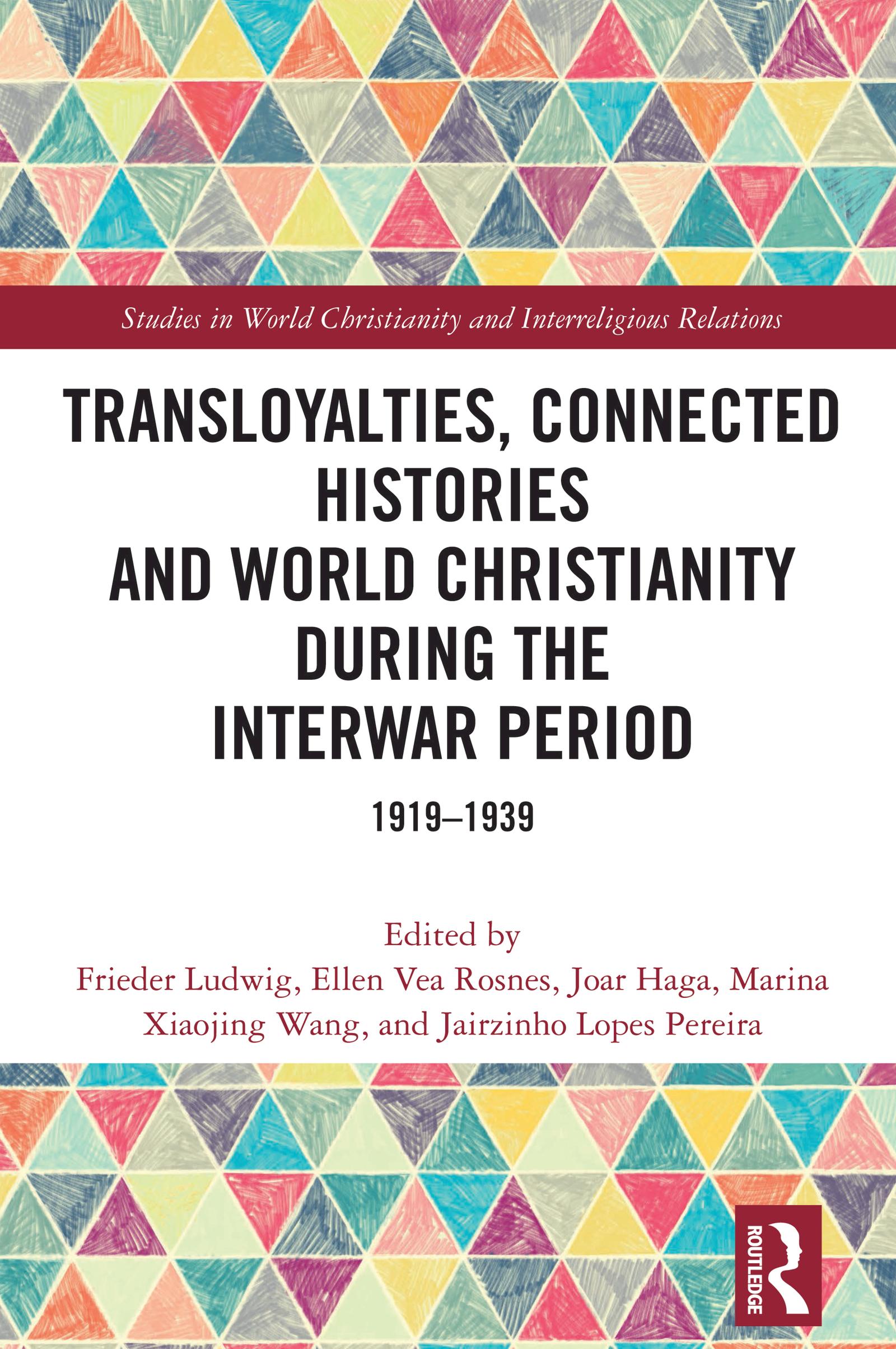
This book introduces the approach of “transloyalties” to study “connected histories” in World Christianity. The term “transloyalties” is used to analyze the multifaceted processes in various contact zones through which cultural and religious identities were transformed in the tension between different loyalties. The volume tests this approach in various case studies, most of them focusing on Lutheran churches and “World Lutheranism” between 1919 and 1939, a time of rapidly changing political circumstances.
Traditionally, the United States, Germany, and Scandinavia had been identified as the three centers of Lutheranism. However, while the structures in these centers were well established and “World Lutheranism” was something “out there,” with limited impact back home, negotiation processes on “Lutheran identity” were crucial in contexts where new Lutheran churches emerged. Asian and African church leaders operated in a new context of loyalties: They pushed for cooperation, and they often interacted with mission organizations from all three centers, and also with other religions, traditional cultures, and political movements. Therefore, it is significant what happened, for instance, in the Lutheran Church of China or at Umphumulo in South Africa.
Including theoretical reflections and case studies, this volume is valuable reading for scholars of the history of World Christianity.
Pay easily by card, Klarna, Apple Pay or Google Pay. Not happy? You always have a 14-day money-back guarantee. Read more in our terms. If you have any questions, email us at hello@memmo.org.
Memmo makes studying easier – wherever you are in the world. We bring your course books and smart study tools together in one place: summaries, quizzes, podcasts and flashcards. Plus Ted, your study buddy who answers anything you wonder. Over 50,000 students already study here – built to help you learn faster and stress less.