
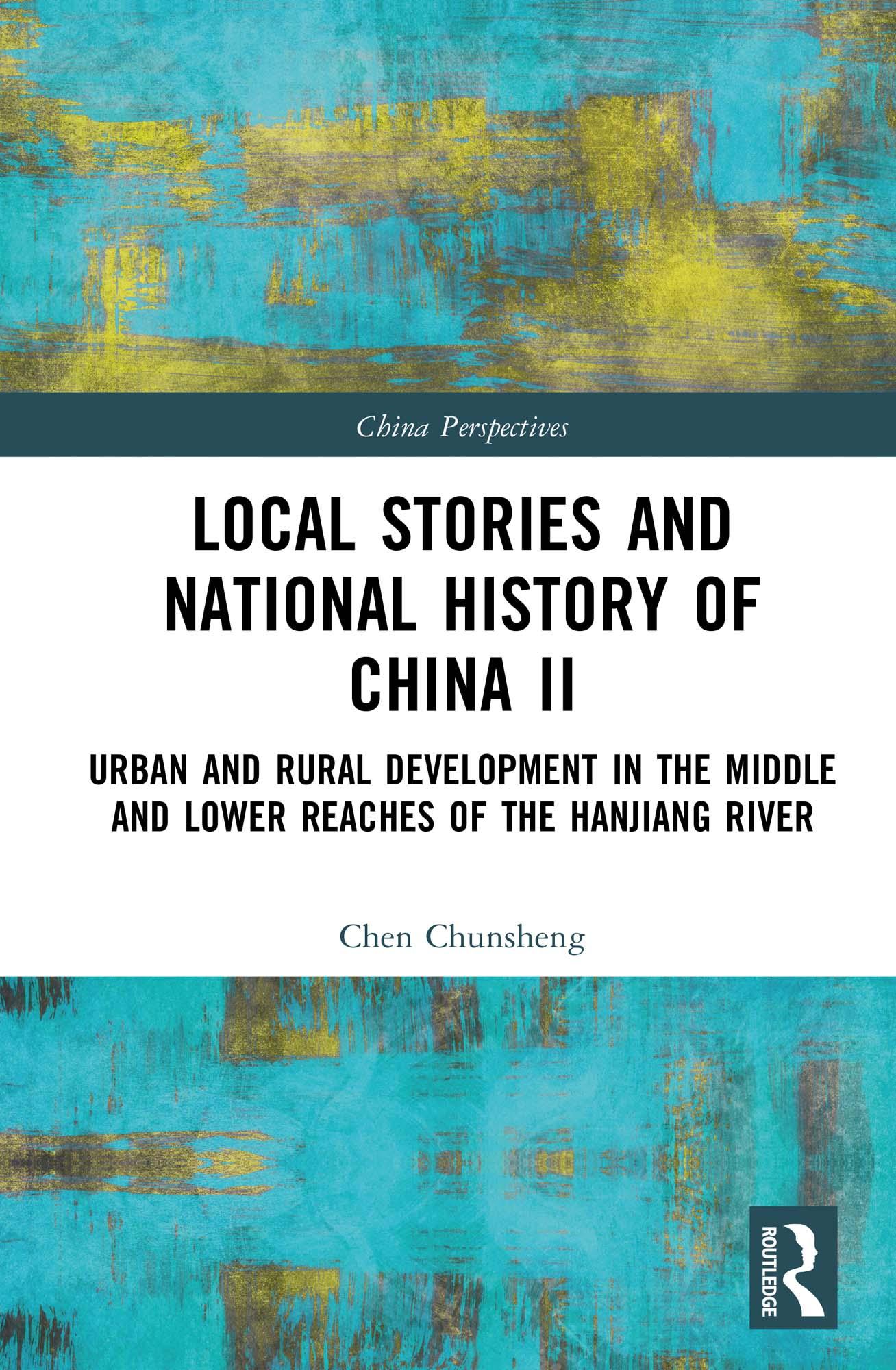
This book is the second in a two-volume set examining the social history of the Hanjiang River region in southern China from the Song Dynasty to the modern era. It explores how clan structures, temple networks, and overseas Chinese communities shaped the region’s development.
The volume first analyzes the evolution of social power structures during the Qing Dynasty, showing how state systems influenced local development through clan organization and maritime trade networks. It then looks at how Shantou grew as an important city, and how Chinese charities, beliefs, and networks around the South China Sea grew too. The text documents the region’s transformation into a distinctive “hometown” society, defined by its overseas connections and evolving cultural identities.
This volume is an essential resource for scholars and students of pre-modern and modern Chinese social history, historical anthropology, China’s modern trade networks, overseas communities, and diaspora studies.
Pay easily by card, Klarna, Apple Pay or Google Pay. Not happy? You always have a 14-day money-back guarantee. Read more in our terms. If you have any questions, email us at hello@memmo.org.
Memmo makes studying easier – wherever you are in the world. We bring your course books and smart study tools together in one place: summaries, quizzes, podcasts and flashcards. Plus Ted, your study buddy who answers anything you wonder. Over 50,000 students already study here – built to help you learn faster and stress less.