
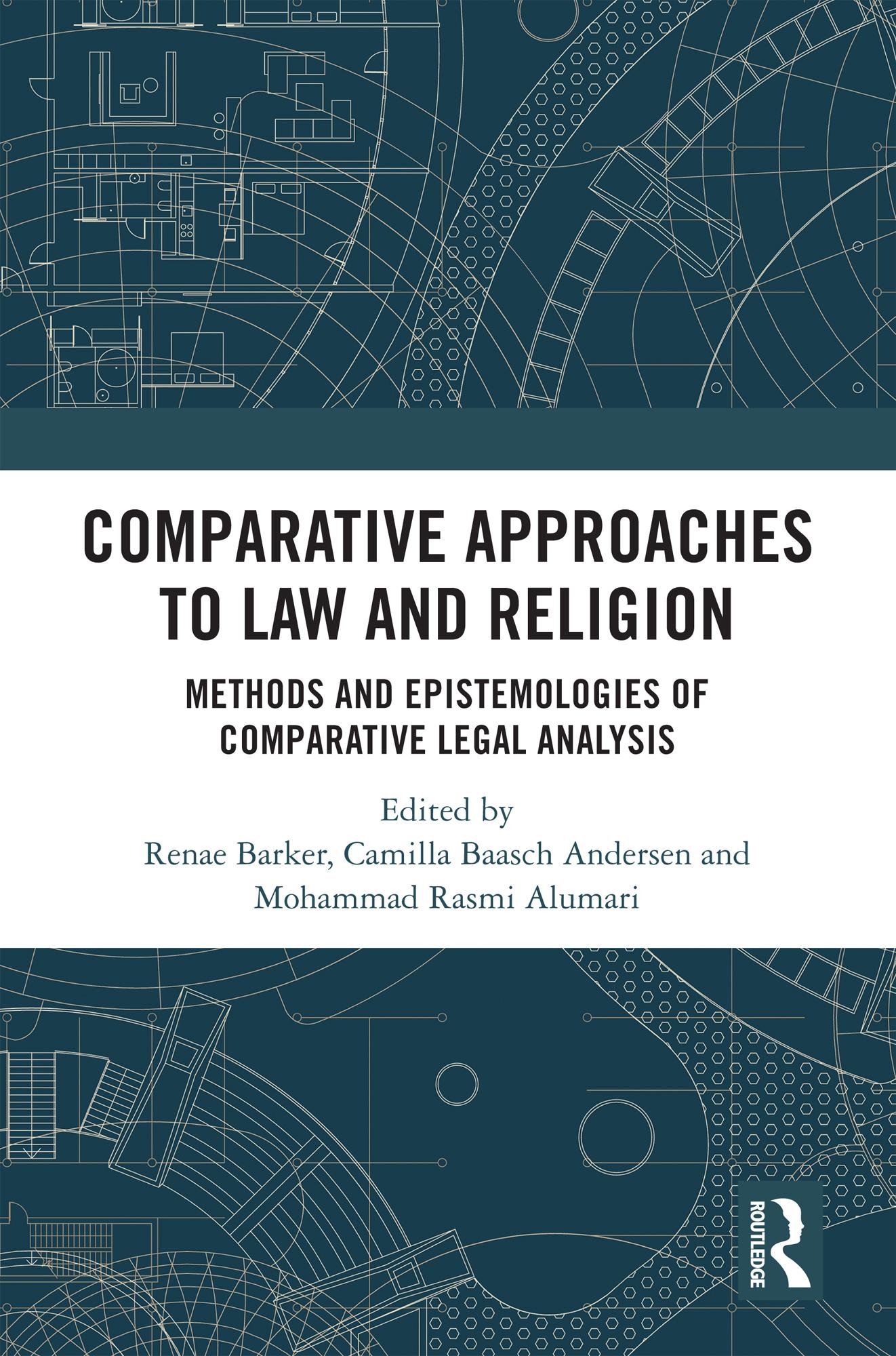
Comparative Approaches to Law and Religion examines the methodological challenges of studying the interplay between law and religion across diverse jurisdictions. This volume fills a critical gap in the literature by focusing on "how" to conduct comparative research, offering both theoretical foundations and practical applications. Scholars from varied legal and cultural backgrounds contributed chapters that showcase innovative methodologies tailored to specific issues in law and religion.
The book is divided into three parts. Part I explores the foundational theories, methods, and frameworks of comparative research in law and religion, addressing state-religion models, legal pluralism, and the inclusion of minors in research. Part II applies these approaches through comparative case studies, tackling topics such as medical treatment for minors, religious freedom in the EU, and judicial populism in religion-related cases. Part III provides a critical evaluation of the methodologies employed, encouraging reflection and dialogue on their strengths, limitations, and broader applicability.
This volume is an essential resource for scholars of law and religion and comparative law. By offering a blend of theoretical insights and practical examples, it equips researchers with the tools to navigate the complexities of interdisciplinary and comparative legal studies across varied jurisdictions and traditions.
Pay easily by card, Klarna, Apple Pay or Google Pay. Not happy? You always have a 14-day money-back guarantee. Read more in our terms. If you have any questions, email us at hello@memmo.org.
Memmo makes studying easier – wherever you are in the world. We bring your course books and smart study tools together in one place: summaries, quizzes, podcasts and flashcards. Plus Ted, your study buddy who answers anything you wonder. Over 50,000 students already study here – built to help you learn faster and stress less.