
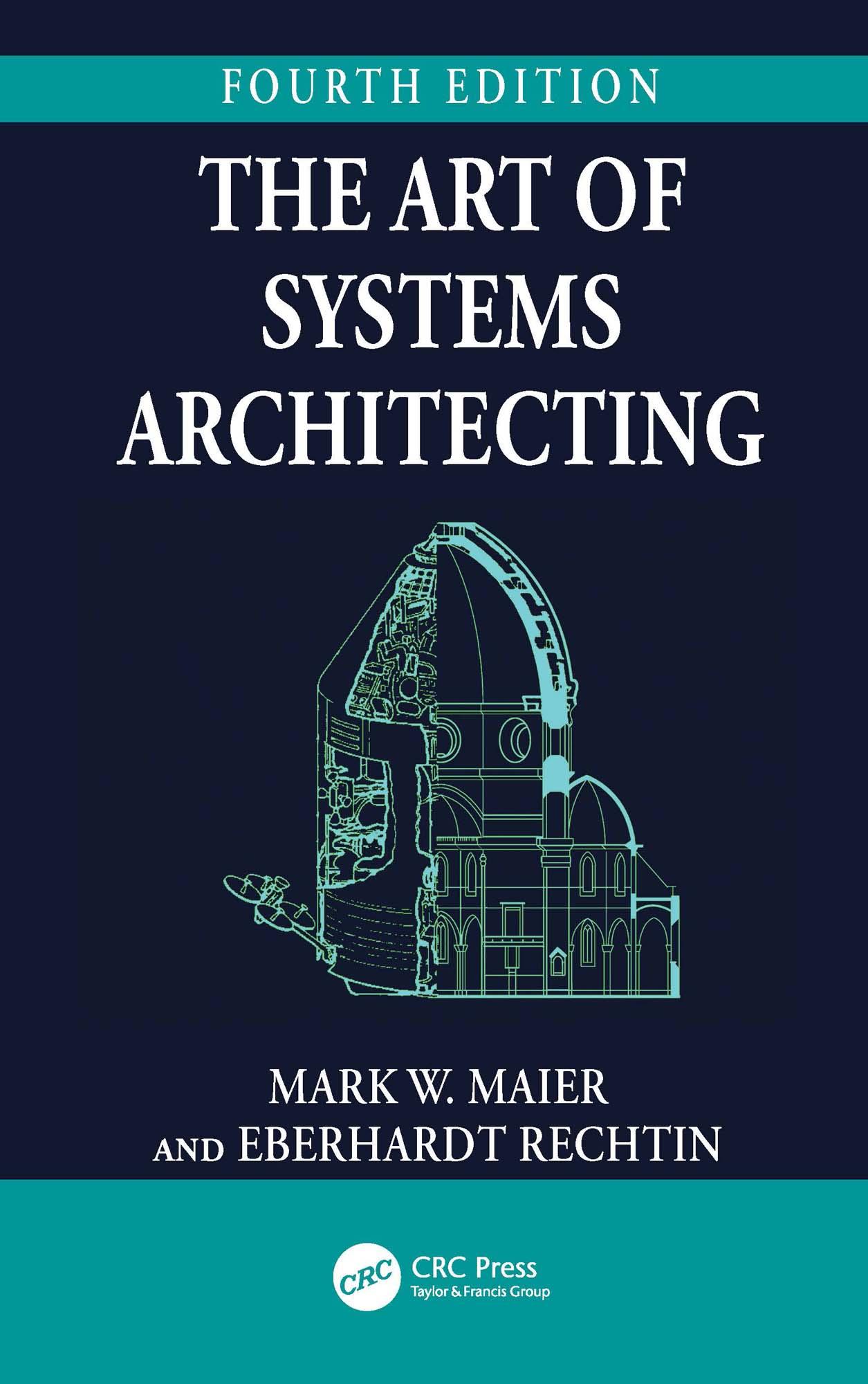
The Art of Systems Architecting, Fourth Edition, provides structured heuristics to improve the least structured, most art‑like elements of systems design. It offers unique techniques to bridge the difference between scientific engineering and qualitative design along with comprehensive methods for combining architectural design with digital engineering. This book illustrates how to go from model‑based systems architecture to model‑based systems engineering and includes case studies of good and bad architectural decision‑making in major systems.
Changes to this edition include materials on architecture processes, architecture description frameworks, and integration with model‑based systems engineering (MBSE) and digital engineering. The publication of the ANSI/IEEE 1471 and ISO/IEC 42010 standards on architecture description has provided common vocabulary and organizing methods for documenting architectures. This edition provides a practical application of these standards in architecting and integrating their concepts with a simple process framework. The rise of MBSE and digital engineering tools is in the process of revolutionizing the development of complex systems. The emphasis has been on detailed design descriptions and powerful analysis methods (for example, digital twins). Architects can make effective use of these methods and tools as well, and this new edition provides an integrated set of heuristics and modeling methods to do so. There are many other improvements and additions included to bring this textbook up to date.
This book can be used as a reference book for engineers and managers involved in creating new systems, people responsible for developing mandated architecture descriptions, software architects, system architects, and systems engineers, or as a textbook in graduate engineering courses.
Exercises are interspersed throughout the text, with some designed for self‑testing and understanding and others intended to provide opportunities for long‑term study and further exploration of the subject.
Pay easily by card, Klarna, Apple Pay or Google Pay. Not happy? You always have a 14-day money-back guarantee. Read more in our terms. If you have any questions, email us at hello@memmo.org.
Memmo makes studying easier – wherever you are in the world. We bring your course books and smart study tools together in one place: summaries, quizzes, podcasts and flashcards. Plus Ted, your study buddy who answers anything you wonder. Over 50,000 students already study here – built to help you learn faster and stress less.