
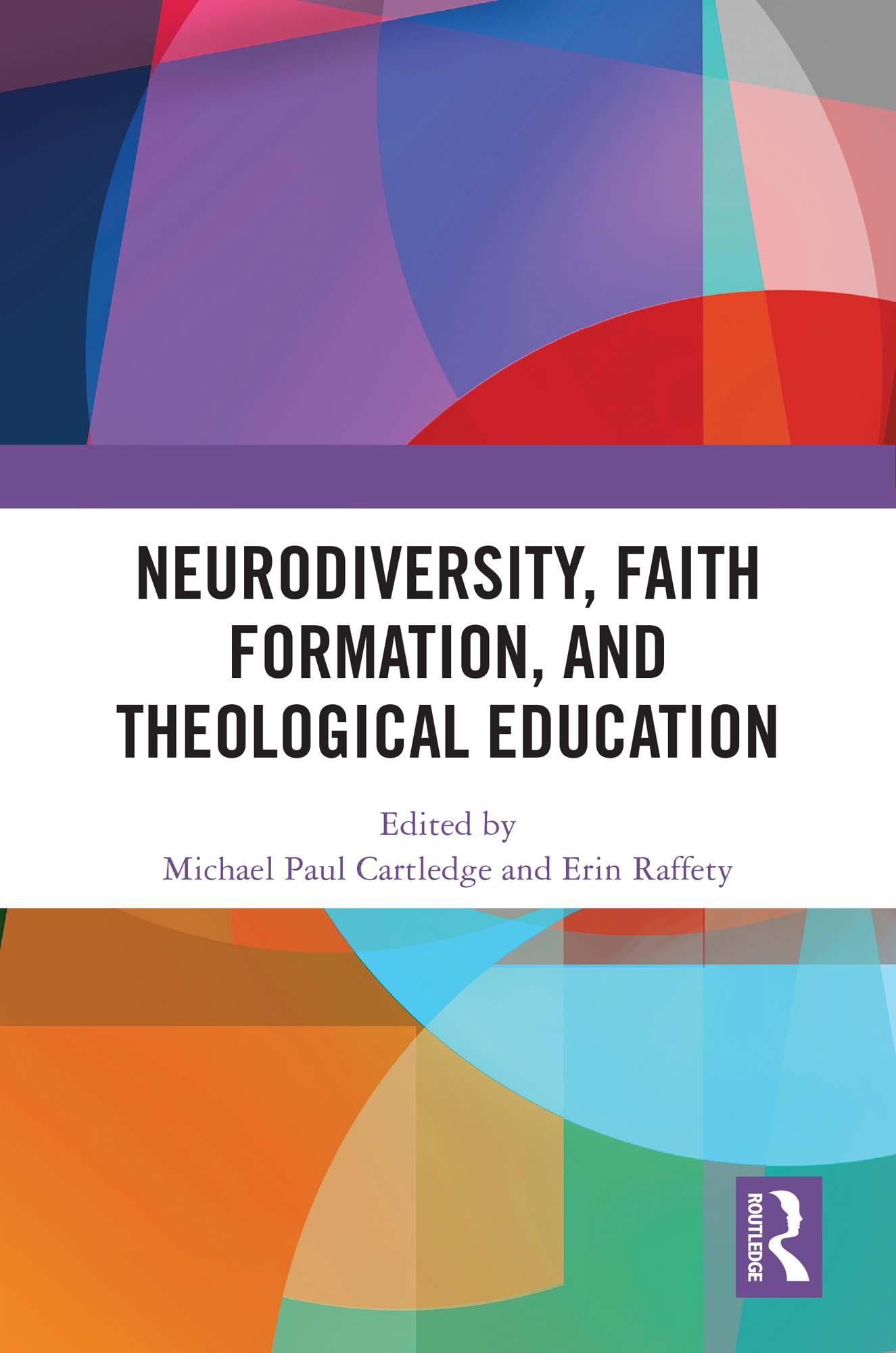
This book demonstrates the constructive insights the neurodiversity paradigm presents for a more thorough understanding of creation, human flourishing, Christian virtues, ecclesiology, belonging, youth ministry, prayer, worship, and justice.
The neurodiversity movement is a social justice movement that celebrates the unique insights and strengths of Autistic people, people with ADHD, learning differences, and other experiences like Tourette’s and tics. Rather than viewing such experiences as deficits, the movement emphasizes the natural variation in the ways people think, learn, and live in the world. Yet, people with these diagnoses, who often identify as neurodivergent, have experienced prejudice and stigma in educational and church spaces due to their neurological or behavioral differences. Participation in church and learning environments is often a burden for neurodivergent people. What can theological educators and ministry leaders learn from the neurodiversity paradigm and movement? How might places of learning and worship be transformed by listening to the voices of neurodivergent people?
Drawing on empirical research and lived experience, the contributions to this book pursue answers to these questions and present a vision of faith formation and theological education that centers the voices of neurodivergent people and cultivates environments where people of all neurotypes can flourish. This book was originally published as a special issue of the Journal of Disability & Religion.
Pay easily by card, Klarna, Apple Pay or Google Pay. Not happy? You always have a 14-day money-back guarantee. Read more in our terms. If you have any questions, email us at hello@memmo.org.
Memmo makes studying easier – wherever you are in the world. We bring your course books and smart study tools together in one place: summaries, quizzes, podcasts and flashcards. Plus Ted, your study buddy who answers anything you wonder. Over 50,000 students already study here – built to help you learn faster and stress less.