
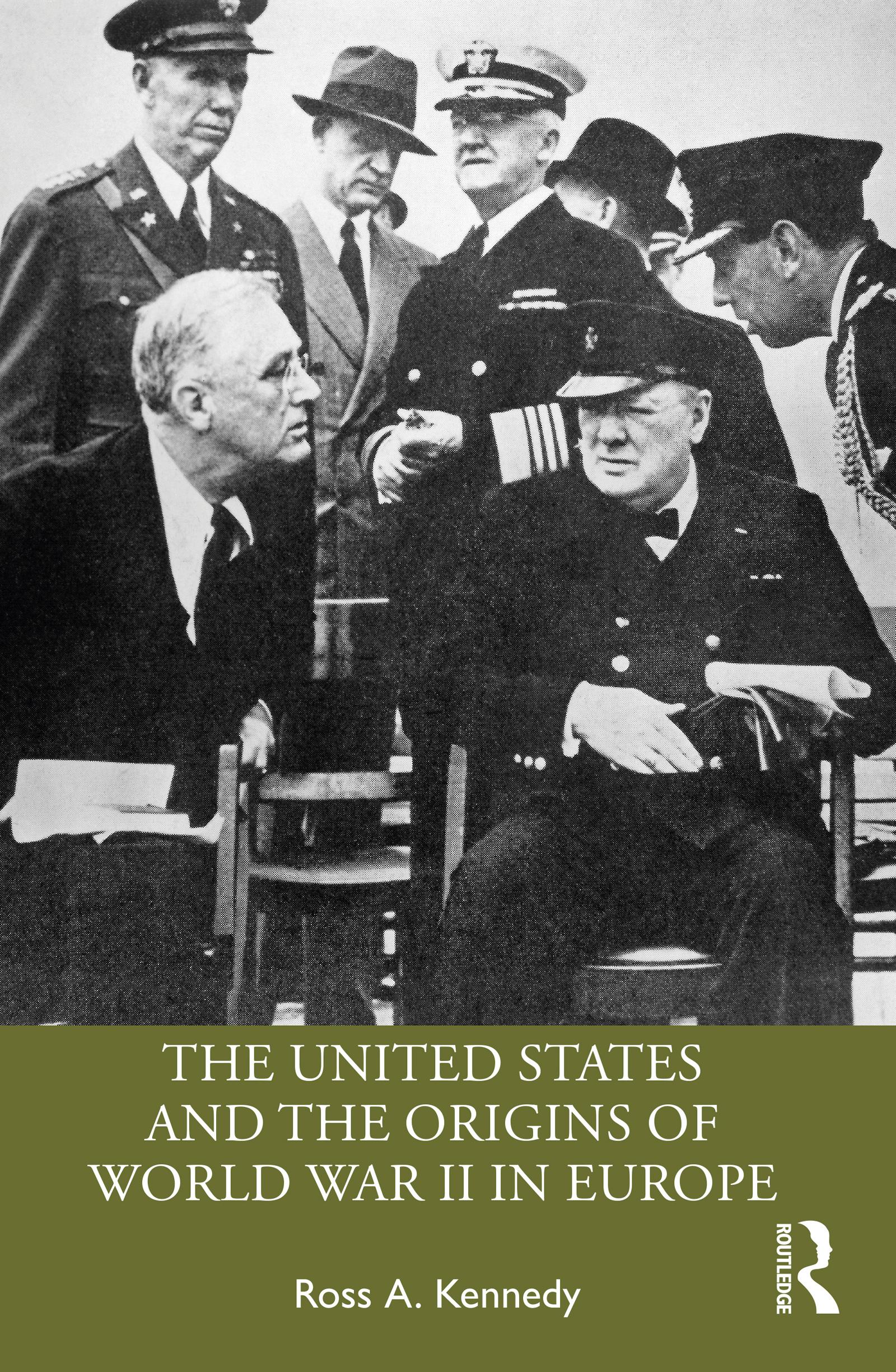
This volume spans 1914–1939 to provide a concise interpretation of the role the United States played in the origins of the Second World War. It synthesizes recent scholarship about interwar international politics while also presenting an original interpretation of the sources of American policy.
The book shows how the drive for international reform, beginning with Woodrow Wilson, reflected both America’s unusual power and its fears about maintaining its domestic freedoms in a world dominated by arms races and the threat of war. The American desire to reform or to escape from the existing international system reshaped Europe’s balance of power from 1914 to 1929, leaving it precarious and unlikely to produce lasting stability. America’s power continued to loom globally in the 1930s, as first its isolationism and, after 1938, its open hostility toward Germany and Japan influenced the policies of the West and of Hitler. The coda at the end of the volume analyzes how the United States affected the strategic choices made by Great Britain, Nazi Germany, and Japan from 1939 to 1941 that globalized the conflict.
This book will appeal to undergraduate and graduate students in history and political science, especially courses focused on World War II and the history of U.S. foreign relations.
Pay easily by card, Klarna, Apple Pay or Google Pay. Not happy? You always have a 14-day money-back guarantee. Read more in our terms. If you have any questions, email us at hello@memmo.org.
Memmo makes studying easier – wherever you are in the world. We bring your course books and smart study tools together in one place: summaries, quizzes, podcasts and flashcards. Plus Ted, your study buddy who answers anything you wonder. Over 50,000 students already study here – built to help you learn faster and stress less.