
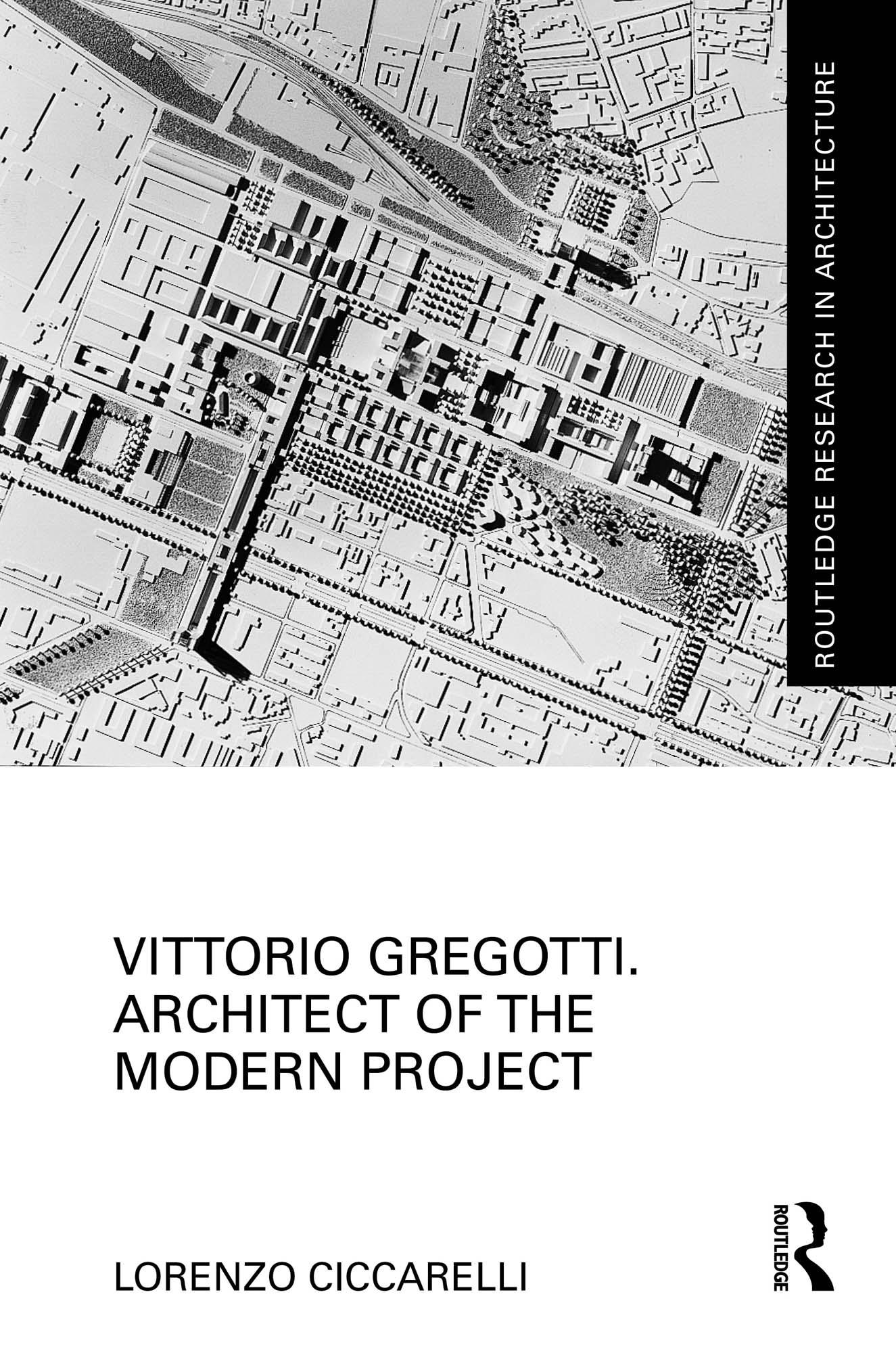
This is not only a book about Vittorio Gregotti’s projects and works, but rather a historical‑critical analysis of his peculiar figure. Like a few others, Gregotti embodied the model of the architect‑intellectual that characterised post‑war Italian design culture. Editor of leading magazines, author of influential books and essays, professor at prestigious universities, curator of memorable exhibitions and events such as the 1976 Venice Biennale and founder of a firm that developed a wide range of projects for over 40 years, Gregotti tenaciously occupied all the territories available to the architectural profession, promoting cultural and design trends and triggering long‑lasting controversies.
This book examines the formation of Gregotti’s theoretical positions around the notions of territory and modification, the connection with the profession, the relationship with history and the tradition of modern architecture, the notion of critical internationalism and the idea of the city and urban design in an era of increasing disurbanism. All aspects of a cultural project aimed at shaping and elaborating a certain tradition of modern architecture in the different social and economic conditions of his time, namely the emerging society of entertainment and consumption, and then of information technologies and global financial markets.
This work will be of interest to postgraduate researchers and academics in architectural theory and history, as well as urban design and planning theory and history.
Pay easily by card, Klarna, Apple Pay or Google Pay. Not happy? You always have a 14-day money-back guarantee. Read more in our terms. If you have any questions, email us at hello@memmo.org.
Memmo makes studying easier – wherever you are in the world. We bring your course books and smart study tools together in one place: summaries, quizzes, podcasts and flashcards. Plus Ted, your study buddy who answers anything you wonder. Over 50,000 students already study here – built to help you learn faster and stress less.