
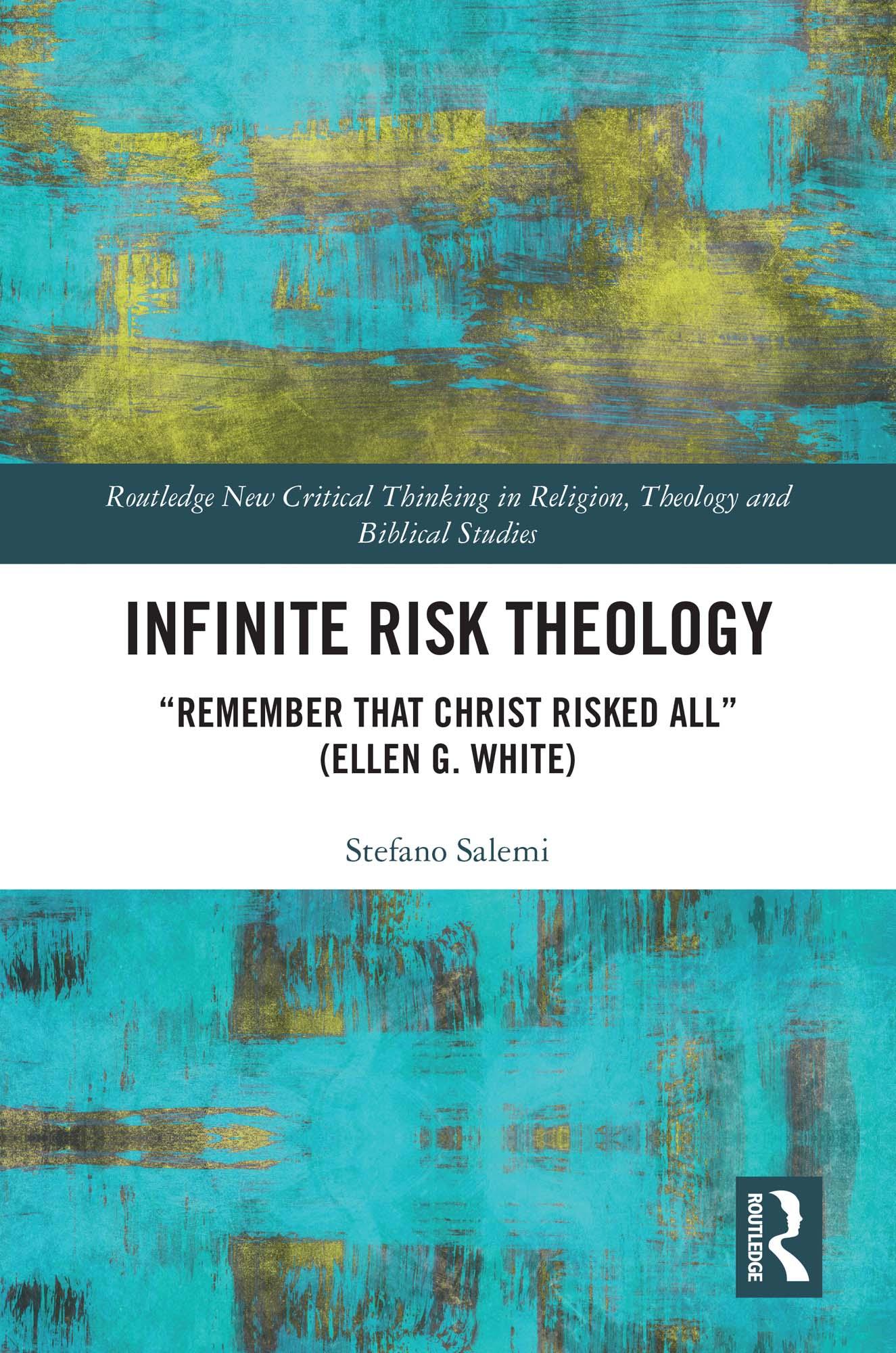
Could God’s Son incarnate sin? Could the tomb have remained closed? Could the story have gone differently? More precisely, could God’s Son be eternally separated from the Father’s communion and eventually die and go out of existence? Mainstream theology often argued for Christ’s impossibility to change (immutability), be separated from the triune God (indivisibility), and sin (impeccability). Consequently, there was no potential risk to his life; his death on the cross could not affect in any form his divine life. Would the cross not need, instead, a risk to be a sacrifice? Here is where the question finds its raison d'être: Could God’s Son risk his eternal existence, losing himself forever with all humankind? This question is rarely considered or often neglected in Christological debates. Ellen G. White, a woman among the most prolific nineteenth-century authors and a prominent Adventist theologian, delves into what she calls the “infinite risk,” the potential reality of the death of God the Son. Drawing on her extensive writings, this book analyses White’s Christology, Incarnational model, and views of the Godhead and of what (could have) happened at the cross, cutting new paths in the comprehension of God’s love while challenging conventional theological paradigms.
Pay easily by card, Klarna, Apple Pay or Google Pay. Not happy? You always have a 14-day money-back guarantee. Read more in our terms. If you have any questions, email us at hello@memmo.org.
Memmo makes studying easier – wherever you are in the world. We bring your course books and smart study tools together in one place: summaries, quizzes, podcasts and flashcards. Plus Ted, your study buddy who answers anything you wonder. Over 50,000 students already study here – built to help you learn faster and stress less.