
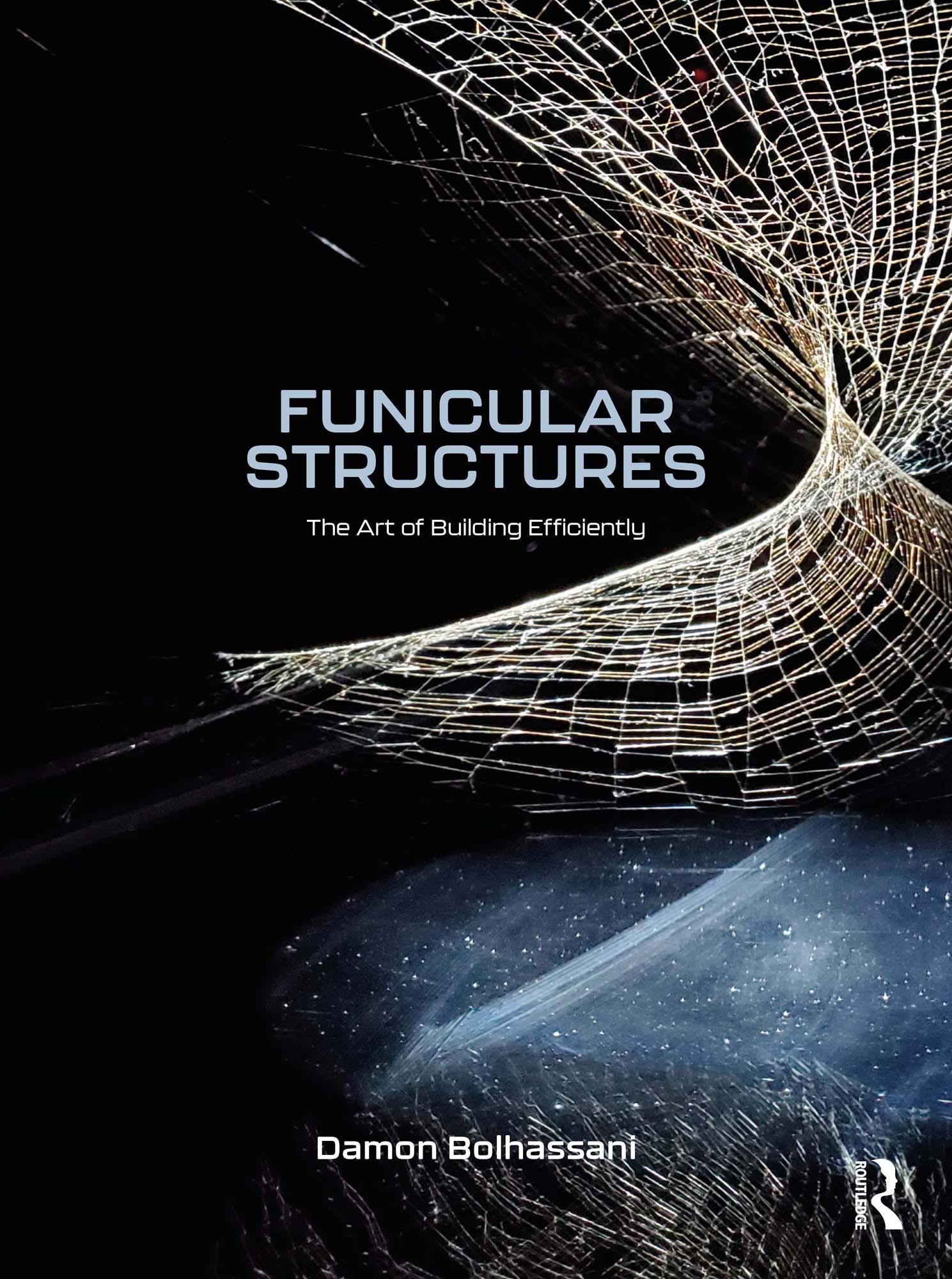
Funicular structures are structural skeletons designed using methodologies that analyze the flow and direction of forces, which can be categorized as compression, tension, or a combination of both. They are not only elegant, resembling naturally occurring forms, but also highly efficient and can be built with minimal use of relatively low-strength materials, thus minimizing their negative environmental impact. This book presents an in-depth overview of the theoretical foundations and practical methods of designing funicular structures for maximum efficiency.
Beginning with a foundation and introduction to funicular structures for those new to the subject, the book then provides in-depth coverage of cables, arches, shells and vaults, domes, and spatial structures. Chapters explain the theory behind funicular structures in 2D, spatial funicular structures in 3D and examine their structural behavior. Recent and historically famous structures from around the globe are analyzed, and their potential design methods revealed through step-by-step, visual explanations. Structural analysis of funicular structures in different forms are also presented to demonstrate pitfalls and common errors.
Tracing the various methods of designing funicular structures, including the latest computational tools, this book provides a solid foundation for students of architecture, structural design, civil engineering, landscape design, and environmental design, to embark on their own funicular design projects.
Pay easily by card, Klarna, Apple Pay or Google Pay. Not happy? You always have a 14-day money-back guarantee. Read more in our terms. If you have any questions, email us at hello@memmo.org.
Memmo makes studying easier – wherever you are in the world. We bring your course books and smart study tools together in one place: summaries, quizzes, podcasts and flashcards. Plus Ted, your study buddy who answers anything you wonder. Over 50,000 students already study here – built to help you learn faster and stress less.