
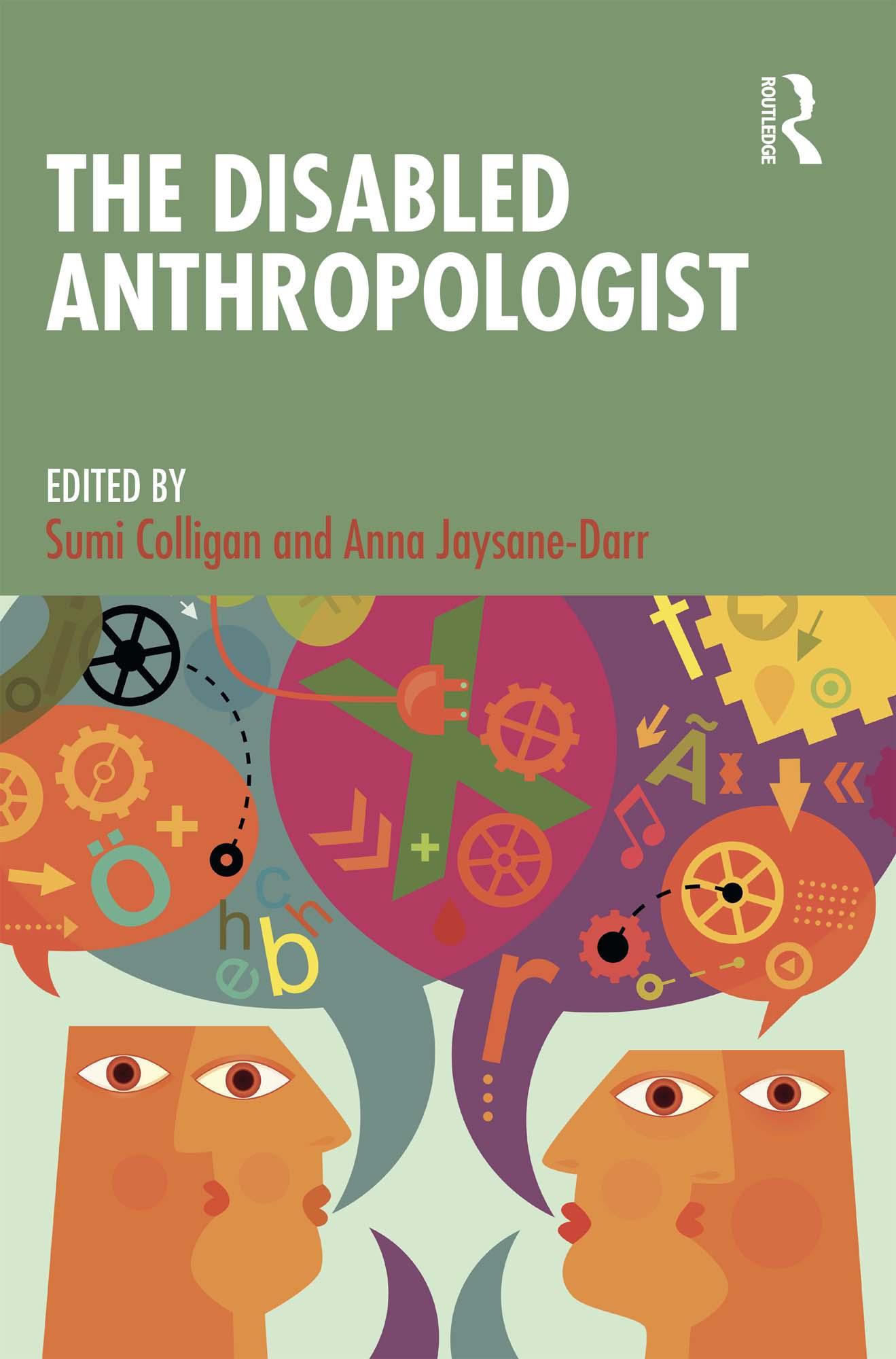
This book brings much needed attention to disabled anthropologists, making clear that “disabled” and “anthropologist” belong together. The disabled anthropologists who contribute to this volume and on which these chapters focus have refused erasure from a profession that would ignore their critiques and creativity. Applying autoethnographic, photographic, and poetic venues, the contributors assess the drawbacks of their anthropology training programs, the limitations of accessibility practices in the academy, and how their own embodiments and the contingencies of their research and research settings have facilitated the discovery of novel methodologies and insights. Collectively this volume’s contributors demonstrate a shared concern for the wellbeing of disabled ethnographers and interlocutors, whether working with Colombian refugees in Ecuador or those living with chronic pain in Michigan.
The Disabled Anthropologist is essential reading for students and scholars working in cultural and medical anthropology.
Pay easily by card, Klarna, Apple Pay or Google Pay. Not happy? You always have a 14-day money-back guarantee. Read more in our terms. If you have any questions, email us at hello@memmo.org.
Memmo makes studying easier – wherever you are in the world. We bring your course books and smart study tools together in one place: summaries, quizzes, podcasts and flashcards. Plus Ted, your study buddy who answers anything you wonder. Over 50,000 students already study here – built to help you learn faster and stress less.