
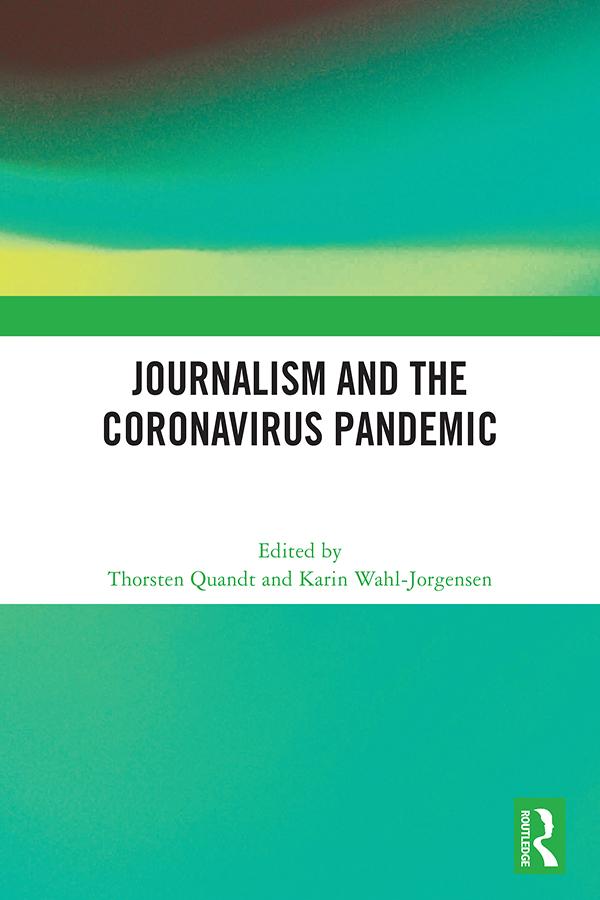
This book explores how the Covid-19 pandemic triggered profound changes in the practice and consumption of digital journalism.
Featuring original research from around the globe, the volume examines key challenges of covering the pandemic from Zimbabwe to China and the UK. The research shows that the pandemic amplified threats to press freedom. At the same time, it took an emotional toll on journalists, who worried about their exposure to Covid-19 and dealt with challenges associated with a growing reliance on digital tools, as well as difficulties accessing sources and hostile reactions from audiences.
Charting the consequences of an increasingly complex media ecosystem, the volume addresses the rise of distrust in mainstream media, the influence of “alternative” news outlets, and the surge of misinformation and conspiracy theories. The volume also examines the polarized reactions of audiences and the complex relationship between public trust, government actions, and journalistic organisations. Despite the challenges, there are signs of increased audience engagement with news, pointing to a potential positive shift in journalism’s societal role.
This volume is essential reading for scholars and students in media and journalism studies seeking a comprehensive understanding of how the pandemic reshaped digital journalism.
The chapters in this book were originally published as a special issue of Digital Journalism.
Pay easily by card, Klarna, Apple Pay or Google Pay. Not happy? You always have a 14-day money-back guarantee. Read more in our terms. If you have any questions, email us at hello@memmo.org.
Memmo makes studying easier – wherever you are in the world. We bring your course books and smart study tools together in one place: summaries, quizzes, podcasts and flashcards. Plus Ted, your study buddy who answers anything you wonder. Over 75,000 students already study here – built to help you learn faster and stress less.