
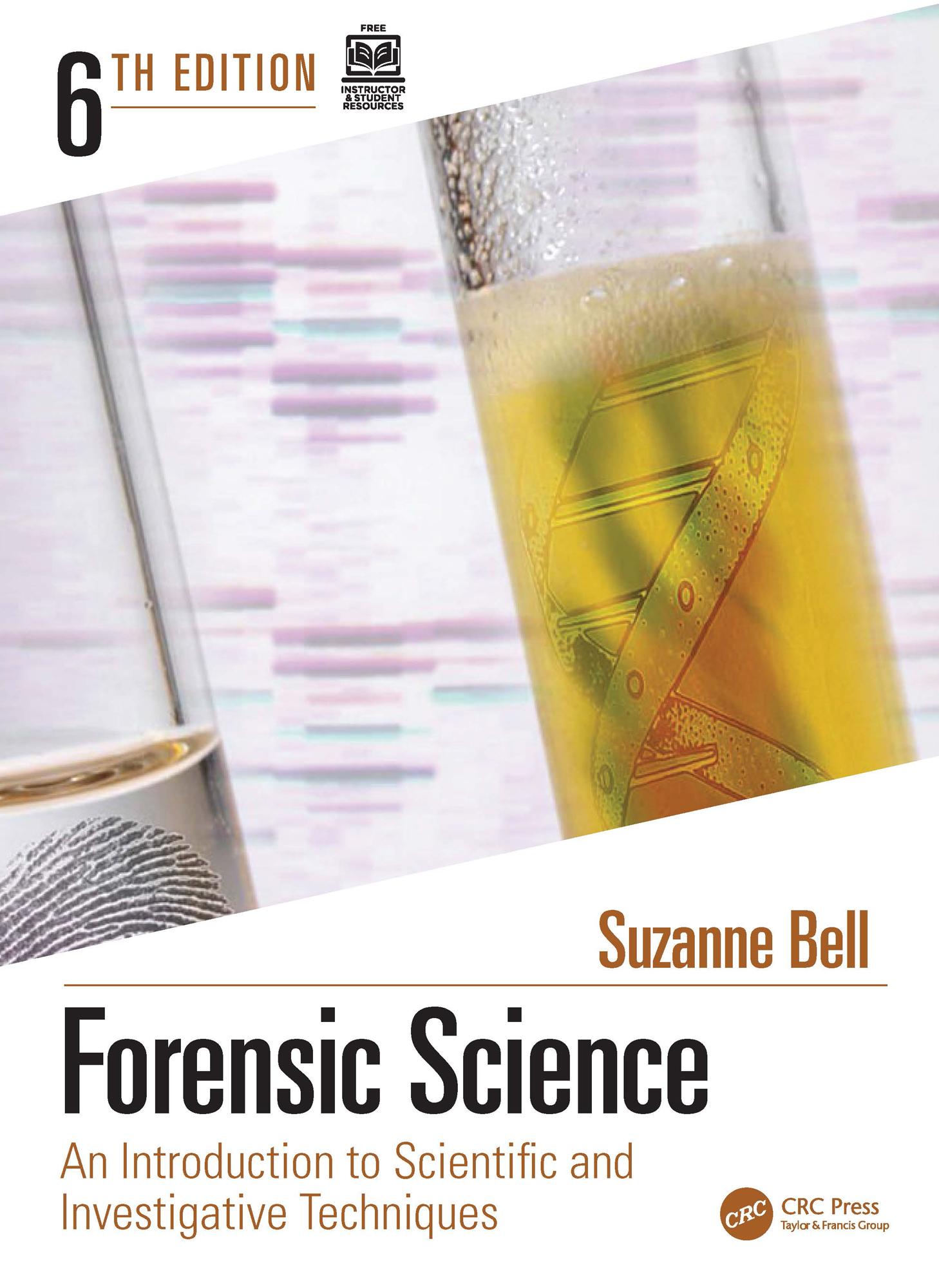
Forensic Science: An Introduction to Scientific and Investigative Techniques, Sixth Edition covers a full range of fundamental topics essential to modern forensic casework and investigation. The new edition is fully updated to outline best practices – including recent technology and techniques – providing an engaging account of current advances in the field.
Going beyond theory to application, Forensic Science begins by discussing the intersection of law and forensic science, how things become evidence, and how courts decide if an item or testimony is admissible. It presents the broadest array of forensic disciplines among available textbooks on the market, addressing: forensic anthropology, death investigation (including entomology), bloodstain pattern analysis, firearms, tool marks, and forensic analysis of questioned documents, among others. Students follow evidence all the way from the crime scene into laboratory analysis and even onto the autopsy table.
Updates to this edition include a new chapter on DNA analysis covering lineage markers and investigative genetic genealogy (Chapter 11 Advanced Topics in DNA Analysis). Chapter 2 addresses statistics, probability, and frequency databases in interpreting forensic evidence. A section called “Return to the Scene of the Crime” describes scenarios that allows students to compare the physical evidence with the analyzed testing results. “Advanced Topics” sections present quantitative or advanced aspects of each chapter's subject matter. This material is geared toward students with a strong math and science background, forensic science majors, and honors students.
Designed for a single-term course at the undergraduate level, the book’s writing is straightforward and accessible – explaining in-depth concepts clearly and accurately. Forensic Science: An Introduction to Scientific and Investigative Techniques, Sixth Edition continues to serve as the essential, go-to textbook for introduction to forensic science courses.
Free Digital Learning Resources for instructors and students are available at routledgelearning.com/forensicscience, including:
- Flash cards for glossary terms
- Interactive matching, drag-and-drop, and “Hot Spot” mapping exercises
- Numerous self-test questions, and
- Recorded videos of practicing forensic scientists speaking to chapter topics in their given area of expertise
Pay easily by card, Klarna, Apple Pay or Google Pay. Not happy? You always have a 14-day money-back guarantee. Read more in our terms. If you have any questions, email us at hello@memmo.org.
Memmo makes studying easier – wherever you are in the world. We bring your course books and smart study tools together in one place: summaries, quizzes, podcasts and flashcards. Plus Ted, your study buddy who answers anything you wonder. Over 50,000 students already study here – built to help you learn faster and stress less.